Root Any Plant for Free with These 5 Simple Tips You Didn’t Know!
Root Any Plant for Free with These 5 Simple Tips
- Introduction
- Essential Tips for Plant Rooting
- Ideal Plants for Rooting
- Materials Required for Successful Rooting
- Common Mistakes to Avoid
- FAQ
Introduction
Have you ever found yourself admiring a plant and wishing you could grow one just like it at home? The joy of nurturing your own greenery can feel miles away when you’re unsure how to start. You may even question if it’s possible to propagate plants without spending a dime on expensive cutting kits or soil mixes. Luckily, there are simple and effective methods that allow you to root any plant for free. Continue reading to discover how you can cultivate your own lush garden without breaking the bank.
Essential Tips for Plant Rooting
When it comes to rooting plants, knowing a few essential tips can make all the difference. Here are some helpful pointers to aid in your plant propagation journey.
1. Choose Healthy Cuttings
The success of rooting largely depends on the quality of the cuttings. Look for stems that are strong and healthy, free from any signs of disease or pests. Preferably, select cuttings that are between 4 to 6 inches long, and make sure they have at least a couple of leaves.
2. Use Clean Tools
Using clean tools will help prevent the spread of disease. Before you take your cuttings, make sure to sterilize your tools with rubbing alcohol or hot water. This step is crucial for ensuring that your cuttings have the best chance to thrive.
3. Optimize Water Levels
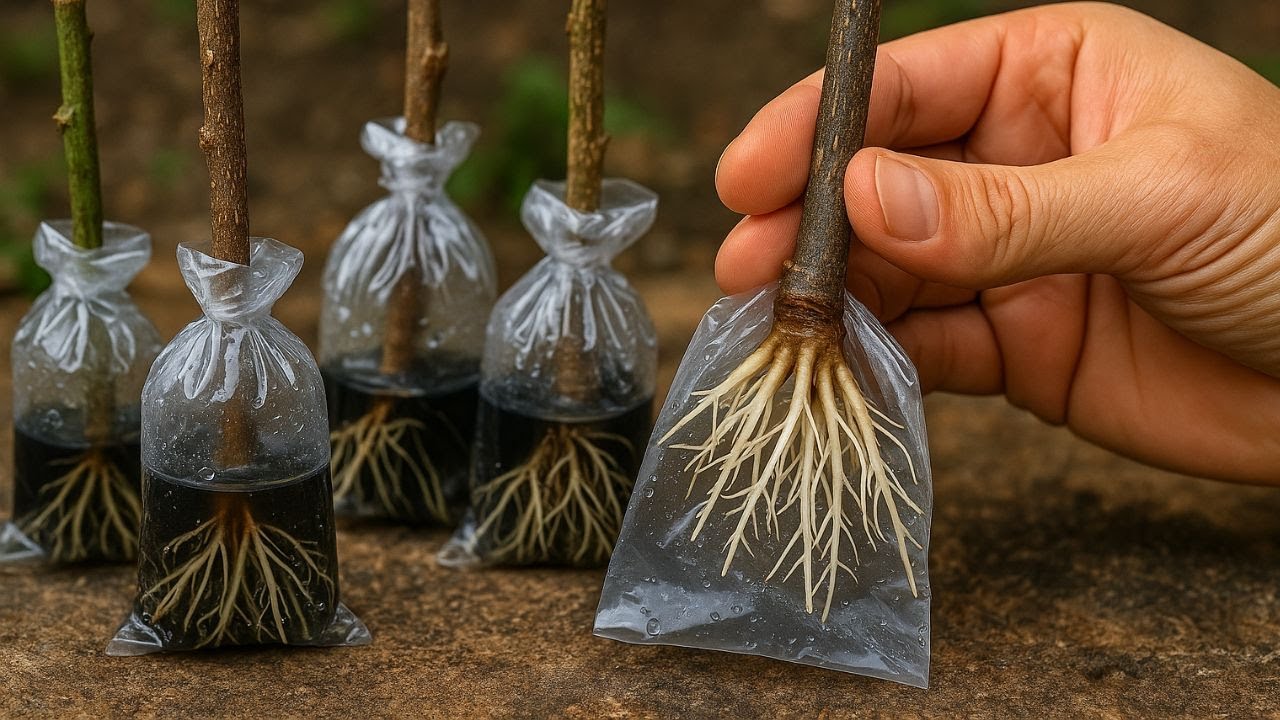
Choosing the right water levels helps enhance the rooting process. Keep the cuttings submerged in water but ensure that the leaves aren’t touching the water. Change the water every few days to keep it fresh and oxygenated.
Ideal Plants for Rooting
Some plants are more forgiving and easier to propagate than others. Understanding which plants are suitable can lend great success to your efforts.
1. Herbs
Many herbs like basil, mint, and rosemary root easily in water. Simply snip a few healthy cuttings, and with the proper care, you’ll soon have your own herb garden.
2. Houseplants
Popular houseplants such as pothos and spider plants are excellent choices for rooting. They usually adapt well to the water rooting method and can often produce roots in under a couple of weeks.
3. Succulents
Succulents like jade plants can be propagated by leaves as well. Allow the cut leaves to dry out for a day before placing them in soil; this prevents them from rotting.
Materials Required for Successful Rooting
Gathering the right materials can simplify the rooting process. Below is a list of items you’ll need.
1. Glass Jars or Vases
Using transparent containers allows you to monitor the root growth. Choose jars that can accommodate your cuttings comfortably.
2. Clean Water
Fresh tap water or rainwater is ideal for rooting. Avoid using treated water, as chemicals can hinder the growth of the roots.
3. Optional: Rooting Hormone
While not necessary, a rooting hormone can give your plant cuttings a boost. If you choose to use it, follow the package instructions for the best results.
Common Mistakes to Avoid
Understanding common pitfalls can save you time and frustration when trying to root plants.
1. Overwatering
Too much water can cause cutting rot, leading to failure. Make sure your cuttings are well-drained, and only immerse the lower nodes in water.
2. Insufficient Light
Cuttings need indirect sunlight to thrive. Position them where they can receive bright, filtered light but stay protected from harsh direct rays.
3. Patience is Key
Sometimes, new gardeners expect instant results. Rooting takes time, so be patient and avoid the urge to disturb your cuttings too frequently.
FAQ
What types of plants can I propagate from cuttings? Many plants, including herbs, houseplants, and some bushes, can be propagated from cuttings. Start with easily rootable varieties for better success.
How long does it take for cuttings to root? Depending on the plant type and conditions, it can take anywhere from a few days to a couple of weeks for cuttings to develop roots.
Do I need special equipment for propagating plants? No special equipment is necessary; basic supplies like jars and clean water will suffice. A rooting hormone may help but is not essential.
Conclusion
With these tips, you’re now equipped to root any plant for free and expand your garden naturally. Have you tried propagating any plants before? Share your experiences in the comments below!