10 Secrets to Rooting Any Cutting You Didn’t Know About
10 Secrets to Successfully Rooting Any Cutting
- Understanding the Basics of Rooting
- Choosing the Right Cuttings for Success
- Preparation Tips for Optimal Growth
- Common Mistakes to Avoid When Rooting
- Frequently Asked Questions
Understanding the Basics of Rooting
Starting a new plant from cuttings can be a rewarding gardening experience, whether you’re looking to expand your indoor plants or replant your garden. However, many encounter challenges along the way, often stemming from misconceptions about how to properly root a cutting. Getting familiar with the fundamentals is essential for success. Here are some key points to consider as you explore rooting.
What is Rooting?
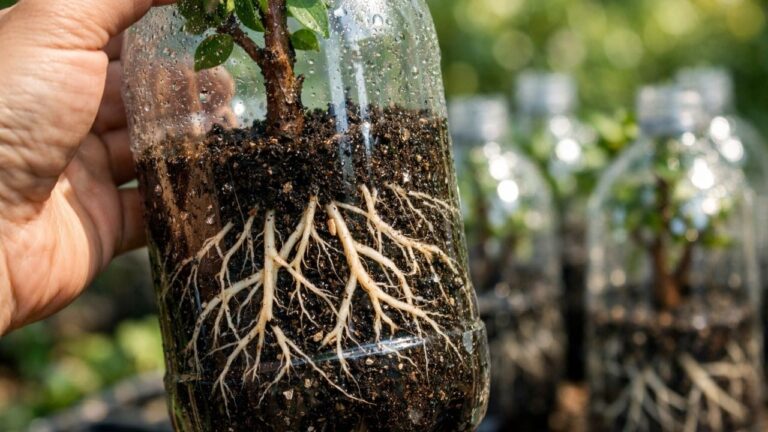
Rooting refers to the process of encouraging a cutting from a parent plant to develop roots, enabling it to grow independently. The right conditions—such as moisture, light, and temperature—are crucial during this phase.
Why Choose Cuttings?
Rooting cuttings is a cost-effective way to propagate your favorite plants. This method helps preserve the characteristics of the parent plant, allowing you to retain the same traits—be it flavor, color, or hardiness. Plus, it can be a sustainable gardening practice.
Choosing the Right Cuttings for Success
Selecting the appropriate plant and specific cuttings is vital for your rooting project. Not all plants root equally well, so here’s what to consider when making your selection.
Best Plants for Rooting
Some plants are particularly suited for propagation through cuttings. Strong contenders include:
- Succulents – Hardy and forgiving, these plants root easily.
- Herbs – Basil and mint are known for their quick rooting.
- Houseplants – Pothos and philodendrons thrive when propagated this way.
Types of Cuttings
Consider whether you’ll be using stem cuttings, leaf cuttings, or even root cuttings. Each has its own set of requirements:
- Stem Cuttings – Typically produce the best results; cut just below a node.
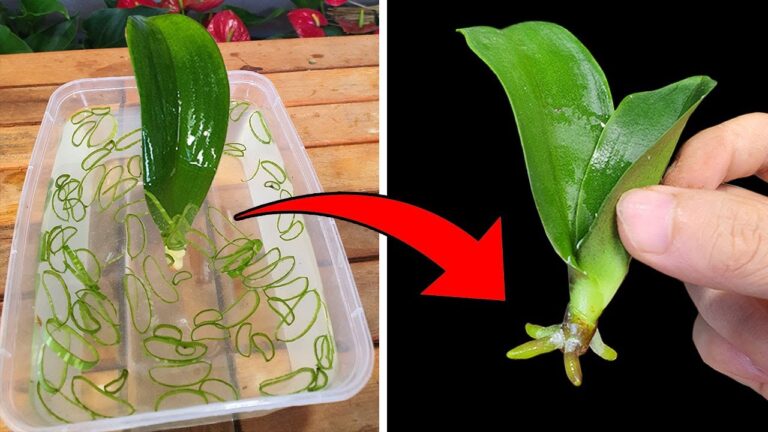
- Leaf Cuttings – Suitable for specific plants like jade or African violets.
- Root Cuttings – Ideal for perennials; ensure the roots are healthy.
Preparation Tips for Optimal Growth
Once you’ve chosen your cuttings, proper preparation is paramount for encouraging healthy roots. Here are some effective strategies:
Preparing your Cuttings
- Make a Clean Cut – Use sterilized scissors or pruning shears to avoid disease.
- Remove Lower Leaves – Eliminate the leaves from the bottom third to reduce moisture loss.
- Dip in Rooting Hormone – This encourages quicker root development; however, some plants root well without it.
Creating the Right Environment
Ensure your cuttings are given the best chance at survival by providing ideal conditions:
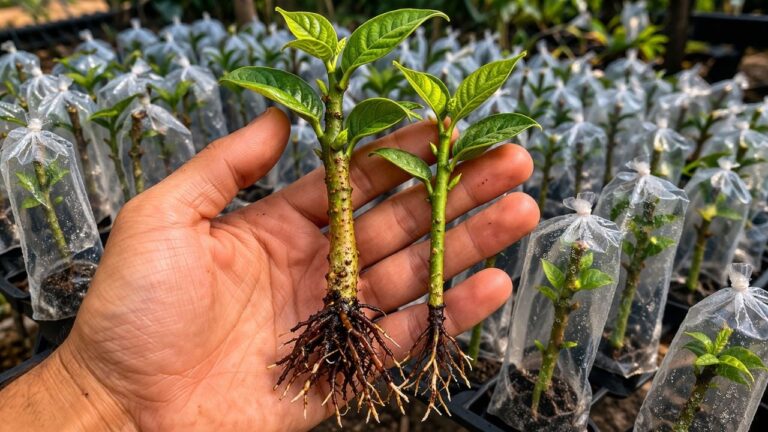
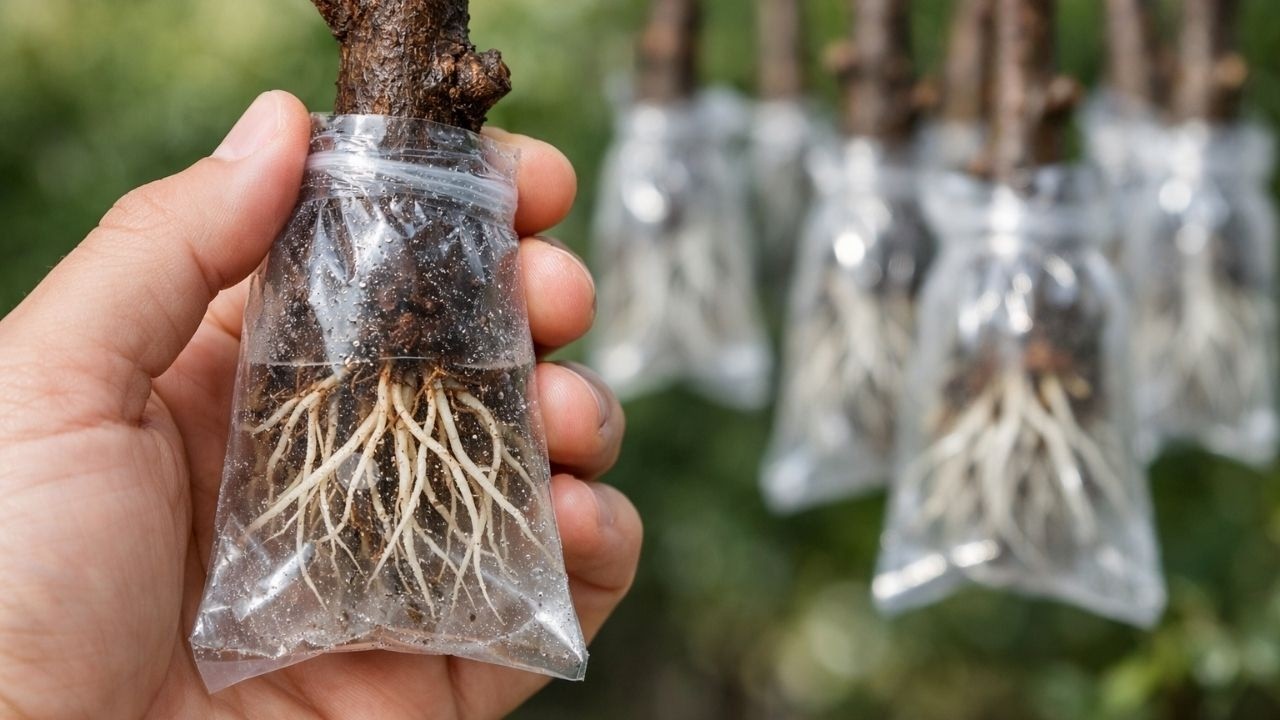
- Humidity – Use a plastic bag or a misting system to keep the environment humid.
- Light – Place them in indirect light; too much sun can scorch the young cuttings.
- Temperature – Keep them in a warm spot, ideally between 65°F to 75°F.
Common Mistakes to Avoid When Rooting
Even experienced gardeners can fall into traps when rooting cuttings. Here are some common mistakes to be aware of:
1. Overwatering Cuttings
While moisture is essential, too much water can lead to rot. Ensure your medium is well-draining.
2. Using Poor Quality Soil
Utilizing a rich, organic potting mix will promote healthier root growth compared to standard garden soil.
3. Ignoring Signs of Stress
Keep an eye on your cuttings for yellowing leaves or wilting, which could indicate issues with water or light.
Frequently Asked Questions
What types of plants can I propagate from cuttings?
You can propagate various plants, including succulents, herbs, and many houseplants. Just ensure you’re using the right type of cutting for each species.
How long does it take for cuttings to root?
Rooting can take anywhere from a few weeks to several months, depending on the plant and environmental conditions.
Do I need special tools for rooting cuttings?
Basic tools like clean scissors and a suitable pot or container will suffice. A rooting hormone can be beneficial, but it’s not always necessary.
Conclusion
Rooting your cuttings can lead to a flourishing garden full of lush plants. By following these tips and being mindful of common pitfalls, you can enhance your success rate. What plants are you thinking of propagating next? Share your experiences below!