10 Easy Tricks for Perfect Wood Angles Before You Turn 40!
10 Easy Tricks for Perfect Wood Angles in Your DIY Projects
- Introduction
- Essentials for Precision Cutting
- Step-by-Step Techniques for Perfect Angles
- Common Mistakes to Avoid
- FAQ
Introduction
If you’re embarking on a home improvement project, you might be staring at a pile of wood, feeling overwhelmed by the thought of cutting perfect angles. Each piece of timber is waiting for your vision, but those angles can be tricky. As you aim for that flawless fit, the fear of miscuts can be daunting. You’re not alone in feeling this way, and thankfully, there are simple techniques that can transform your woodworking experience. Keep reading to find practical tips that will help you achieve clean and precise cuts every time.
Essentials for Precision Cutting
Before you dive into the techniques, it’s essential to have the right tools on hand. Here’s a quick overview of what you’ll need for successful angle cuts:
- Quality miter saw: This is your best friend for making accurate angle cuts.
- Clamps: Keep your workpieces steady for better accuracy.
- Measuring tape: Always measure twice to ensure you get it right.
- Square: A carpenter’s square is crucial for checking right angles.
These tools will set the foundation for getting your angles just right.
Step-by-Step Techniques for Perfect Angles
Now that you have your tools ready, let’s explore some effective techniques to achieve those perfect angles.
1. Use a Miter Saw for Clean Cuts
- Set the desired angle on your miter saw. Most saws come with an adjustable angle feature.
- Clamp the wood securely to avoid slipping.
- Slowly lower the blade and make your cut, ensuring smooth pressure throughout.
Using a miter saw will make your angle cuts cleaner and more accurate.
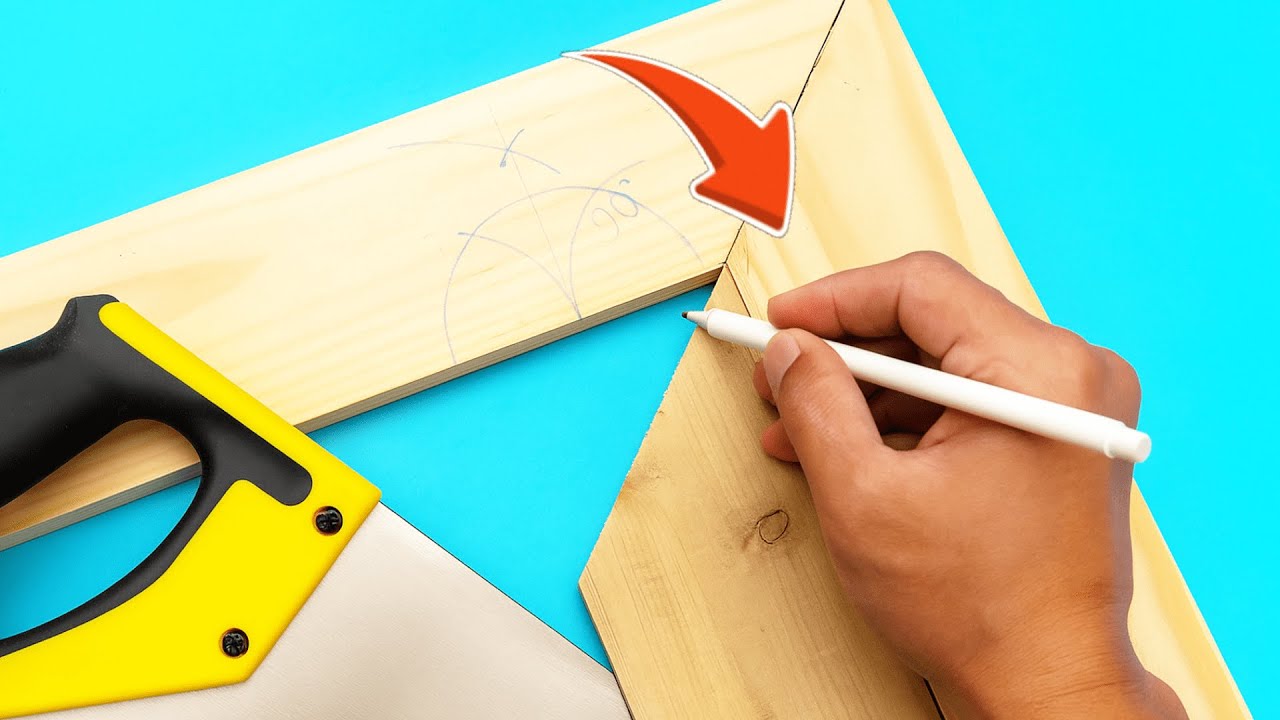
2. Mark and Measure Your Cuts
- Measure the length needed for your cut.
- Use a pencil to mark the cutting line clearly. Make it as visible as possible.
- Check your measurements with a square to ensure accuracy before cutting.
This step minimizes the chance of errors, especially for intricate designs.
3. Test Cuts on Scrap Wood
Before cutting your actual workpieces, do a test cut on some scrap wood. This practice will help you verify that your angles are set correctly without risking the main material.
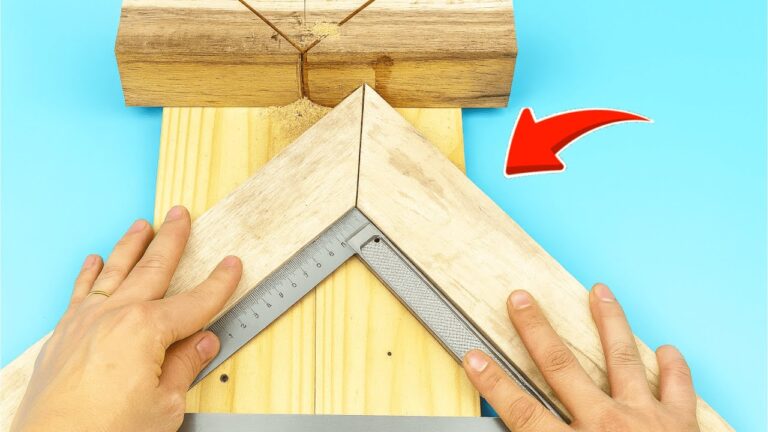
4. Consider a Miter Box for Simplicity
A miter box is a handy tool that can help you make accurate angle cuts without complex machinery. By following these steps:
- Position your wood in the miter box according to the desired angle.
- Use a hand saw to cut along the guide.
- Double-check the angle after cutting using a square.
This method especially shines in small projects or when you want a lightweight setup.
Common Mistakes to Avoid
Even experienced DIYers can make missteps when crafting perfect wood angles. Here are some common mistakes to watch out for:
- Measuring only once: Always measure twice to avoid mistakes.
- Ignoring safety: Always wear protection, like goggles, when using power tools.
- Forgetting to check the blade angle: Ensure your saw’s angles are set correctly before cutting.
- Rushing: Take your time to avoid careless errors that can ruin your project.
FAQ
What tools do I need for cutting wood angles?
You’ll need a miter saw, clamps, a measuring tape, and a carpenter’s square for accurate angle cuts.
Can I cut angles without a miter saw?
Yes, a miter box can effectively help you achieve clean angles, especially for smaller projects.
How do I improve my cutting accuracy?
Always measure precisely, use clamps to secure your workpieces, and consider doing test cuts on scrap wood.
Conclusion
Achieving perfect wood angles is easier than you might think when you have the right techniques and tools. By avoiding common mistakes and practicing your cuts, you’ll gain confidence in your DIY projects. What techniques have you found helpful in your woodworking journey? Please share your experiences in the comments below!