Grow Your Plants 5X Faster with These Simple Secrets to Flourishing Greenery!
Grow Your Plants 5X Faster with Simple Secrets to Flourishing Greenery
- Understanding Your Plants’ Needs
- Creating Optimal Lighting Conditions
- Proper Watering Techniques for Rapid Growth
- Choosing Nutrient-Rich Soil for Healthy Plants
- Common Mistakes to Avoid for Successful Growth
Are you frustrated watching your plants struggle to grow while others seem to flourish effortlessly? Perhaps you’ve tried a variety of techniques yet still find yourself longing for that lush and vibrant greenery. Many plant enthusiasts share this same challenge, wanting to ensure their gardens thrive. The good news is that there are practical secrets to help your plants grow significantly faster and healthier. Keep reading to uncover these valuable insights.
Understanding Your Plants’ Needs
The foundation of healthy plants is understanding their specific needs. Every type of plant comes with its unique requirements that, when met, can lead to faster growth.
1. Research Plant Types
Start by identifying the types of plants you are growing. Each species has different light, water, and soil preferences. Gathering information on these aspects will set you up for success.
2. Observe Your Environment
Take note of your surroundings. Temperature, humidity, and proximity to windows can all affect plant growth. Understanding these factors will help you create the optimal conditions for your plants.
3. Regular Check-ins
Checking on your plants regularly allows you to notice any changes, such as wilting or yellowing leaves, which could signal underlying issues.
Creating Optimal Lighting Conditions
Proper lighting is crucial to plant health. Plants convert light into energy through photosynthesis, and the right amount of light can expedite their growth.
1. Determine Light Requirements
Each plant type will have its light requirements. Some thrive in bright, direct sunlight, while others prefer shaded environments. Make sure to place your plants according to their needs.
2. Use Reflective Surfaces
If natural light is limited, consider using reflective surfaces near your plants. Mirrors or shiny pots can help distribute light evenly and boost photosynthesis.
3. Artificial Lighting Alternatives
For indoor plants or those needing additional light, consider using grow lights. They can mimic natural light, providing the spectrum needed for optimal growth.
Proper Watering Techniques for Rapid Growth
Watering is an essential factor in plant care, affecting everything from nutrient uptake to stress levels.
1. Water Quality Matters
Using filtered or rainwater can often yield better results compared to tap water, which may contain chemicals that can hinder plant growth.
2. Check Moisture Levels
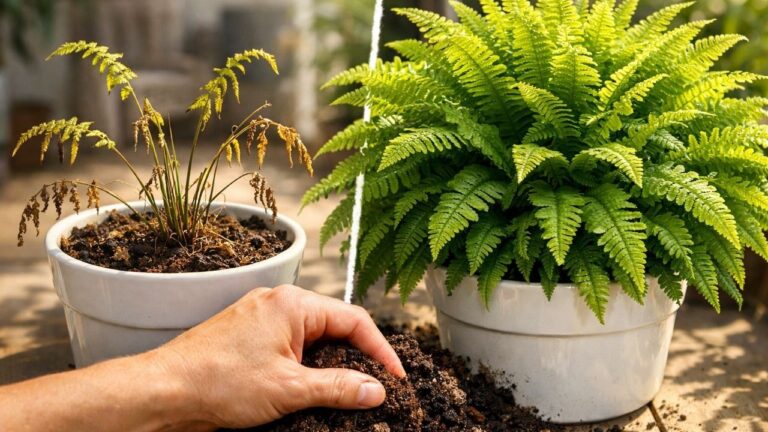
Instead of following a strict schedule, check the moisture level of the soil. Stick your finger about an inch deep to check if it’s dry or still moist.
3. Water with Purpose
- Water deeply to encourage deep root growth.
- Avoid letting your plants sit in water, which can lead to root rot.
- Use self-watering pots for consistency, especially during hotter months.
Choosing Nutrient-Rich Soil for Healthy Plants
The right soil mix can greatly impact your plants’ growth rates, as it provides not only nutrients but also helps with drainage and aeration.
1. Select the Right Soil Mix
Different plants require different soil types. For example, succulents thrive in sandy, well-draining soil, while ferns prefer a rich, organic mix.
2. Amend with Organic Matter
Incorporating compost or aged manure can enhance nutrient content in the soil. This addition will feed your plants gradually and promote faster growth.
3. Monitor Soil pH
Soil pH can affect nutrient uptake. Test your soil to ensure it falls within the recommended range for your plants (usually between 6.0 to 7.0).
Common Mistakes to Avoid for Successful Growth
- Overwatering: This is a prevalent issue that can lead to root rot and unhealthy plants.
- Ignoring Plant Diseases: Not addressing pests or diseases promptly can hinder growth.
- Poor Air Circulation: Crowding plants can restrict their growth; ensure they have enough space.
- Fertilizing at the Wrong Time: Fertilizing during dormancy can harm plants; apply nutrients when they are actively growing.
- Neglecting Seasonal Changes: Changes in temperature and light during different seasons can affect your watering and feeding schedules.
FAQ
How often should I water my plants?
Watering frequency varies based on the type of plant and environment. Check soil moisture regularly and water when the top inch is dry.
What type of soil is best for houseplants?
A well-draining potting mix enriched with organic matter is ideal for most houseplants, as it ensures both nutrients and moisture retention.
Can I use tap water for my plants?
While tap water is generally fine, it’s best to let it sit for 24 hours to allow chlorine to dissipate, making it better for your plants.
By understanding your plants’ needs, ensuring proper lighting and watering, and using suitable soil, you’ll be on your way to enjoying healthier and faster-growing plants. What tips do you have for fellow gardeners looking to enhance their plant care routine? Share your thoughts in the comments!