1 Glass Makes Any Plant Overflow with Year-Round Jabuticaba Fruits!
How to Grow Jabuticaba Year-Round in Your Home Garden
- Introduction
- Required Materials
- Optimal Growing Conditions
- Care Tips for Thriving Jabuticaba
- Common Mistakes to Avoid
- FAQ
- Conclusion
Introduction
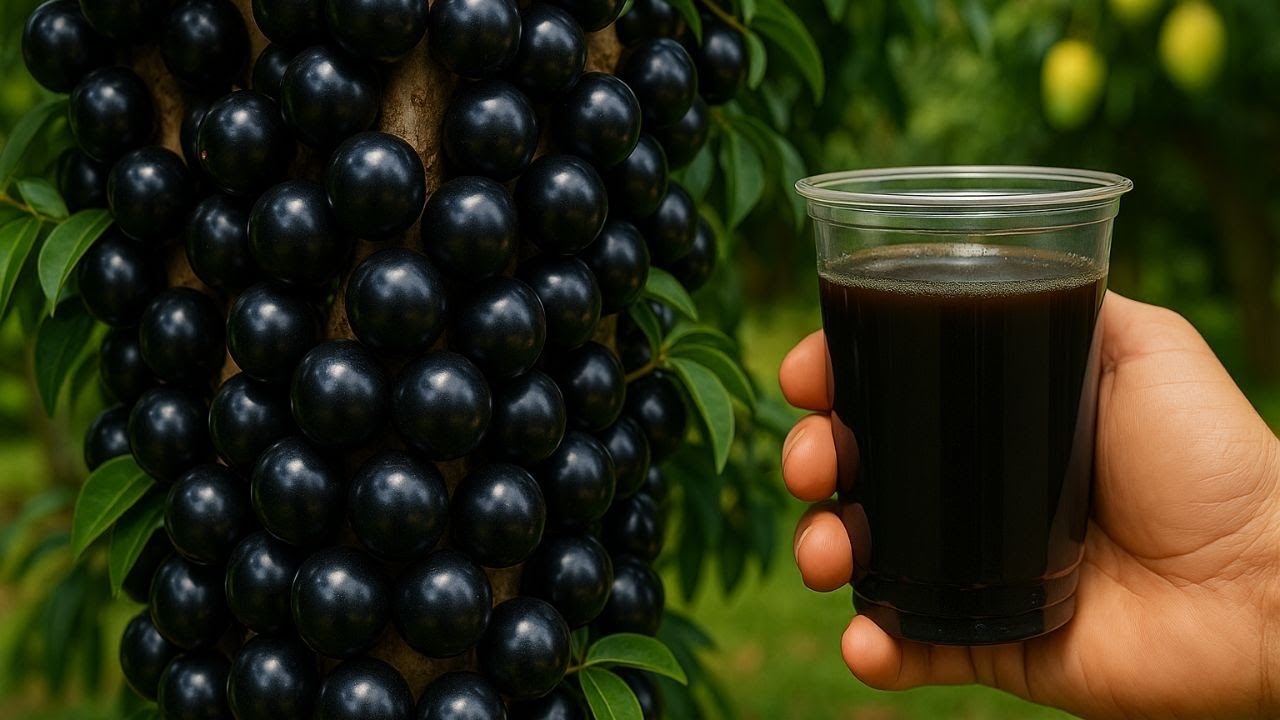
Picture this: you step into your garden and are greeted by the delightful scent of blooming Jabuticaba trees, their branches heavy with ripe fruits. It’s a sight that many dream of, yet few realize is possible in their own backyards. Growing this exotic fruit can seem daunting, but with the right approach, you can enjoy fresh Jabuticaba berries year-round. Continue reading to uncover the secrets to successfully cultivating this unique tree.
Required Materials
To start your journey towards growing Jabuticaba, gather the following materials:
- Jabuticaba seeds or a young sapling
- Large pot with drainage holes (if planting indoors)
- Quality potting mix or garden soil rich in organic matter
- Watering can or hose
- Mulch (such as wood chips or straw)
Having these essentials will set the foundation for nurturing your Jabuticaba plant effectively.
Optimal Growing Conditions
Creating the ideal environment is crucial for the successful growth of your Jabuticaba tree. Consider the following factors:
Sunlight Requirements
Jabuticaba thrives in full sun, requiring at least 6 hours of direct sunlight daily. Place your tree in a location where it can soak up the sunlight, whether indoors or outdoors.
Soil Type
Using well-draining soil is vital. For best results, mix your potting soil with perlite or sand to enhance drainage. This will prevent waterlogging and keep the roots healthy.
Temperature Considerations
Jabuticaba prefers a warm climate, ideally between 60°F and 85°F (15°C to 29°C). If you live in cooler regions, consider using grow lights to maintain warmth during winter months.
Care Tips for Thriving Jabuticaba
To ensure your Jabuticaba tree flourishes, follow these essential care tips:
Watering Schedule
Your Jabuticaba will need consistent moisture, but avoid overwatering. Water when the top inch of soil feels dry. In hotter months, you may need to water more frequently.
Fertilization Routine
Applying a balanced fertilizer every few months will provide your tree with necessary nutrients. Choose an organic fertilizer to support healthy growth while being gentle on the environment.
Pruning Techniques
Regular pruning will promote air circulation and sunlight penetration. Trim any dead or overcrowded branches, ideally during the winter or early spring before new growth begins.
Common Mistakes to Avoid
Growing Jabuticaba can be rewarding, but be mindful of these common pitfalls:
- Overwatering can lead to root rot; always check soil moisture before watering.
- Using poorly draining soil will hinder growth; ensure good drainage for optimal health.
- Avoid placing your tree in shaded areas; Jabuticaba needs abundant sunlight to produce fruit.
- Neglecting to prune can lead to a crowded tree; regular trimming promotes better fruit production.
- Forgetting seasonal care adjustments, especially in colder months.
FAQ
How long does it take for Jabuticaba to bear fruit?
It typically takes about 3 to 5 years for a Jabuticaba tree to start producing fruit, depending on its growing conditions and care.
Can I grow Jabuticaba indoors?
Yes, you can grow Jabuticaba indoors as long as it receives adequate light, warmth, and proper humidity levels.
What pests should I watch for?
Common pests include aphids and scale; regular monitoring and a light organic pesticide can help manage infestations.
Conclusion
By understanding the requirements for growing Jabuticaba and avoiding common mistakes, you can enjoy this unique fruit in your home garden. What experiences have you had with growing fruit trees? Share your thoughts in the comments below!