5 Surprising Reasons Fabric Softener Can Harm Your Skin You Need to Know!
5 Surprising Reasons Fabric Softener Can Harm Your Skin You Need to Know
- Introduction
- Understanding Fabric Softener
- Chemical Concerns
- Skin Reactions
- Safe Alternatives
- Mistakes to Avoid
- FAQ
- Conclusion
Introduction
Many of you might enjoy the fresh scent of laundry softened by fabric softener, but have you ever noticed skin irritation after using it? The calming fragrance can fade quickly, leaving you puzzled about what’s causing the discomfort. Fabric softeners, often seen as harmless household staples, may have hidden effects that could impact your skin health. Understanding these factors can help you make informed choices about what touches your skin daily. Read on to discover more about the effects of fabric softeners and what you might want to reconsider.
Understanding Fabric Softener
Fabric softeners are designed to reduce static and add a softness to your laundry. However, the way they work can lead to several unanticipated issues.
What They Are Made Of
Many fabric softeners contain a combination of surfactants, fragrances, and preservatives. These ingredients work together to create the soft feel you enjoy but can also introduce irritants into your home environment.
How They Work
Fabric softeners coat the fibers of your clothes with a layer of chemicals. This layer can interfere with your skin’s natural barrier, potentially causing a variety of sensitivities.
Chemical Concerns
The chemicals in fabric softeners can be a cause for concern due to their potential effects on your skin health.
Common Harsh Ingredients
- Quaternary ammonium compounds (quats): These are known to cause allergic reactions for some people.
- Fragrance enhancers: Often made from synthetic materials, these can trigger skin reactions and asthma.
- Preservatives: Added to improve shelf life, some of these can be irritating to sensitive skin.
Environmental Impact
Beyond skin health, the chemicals in fabric softeners can also affect the broader environment. Some ingredients may not break down easily, contributing to pollution.
Skin Reactions
Understanding the potential adverse reactions to fabric softeners can help you assess their impact on your well-being.
Allergic Reactions
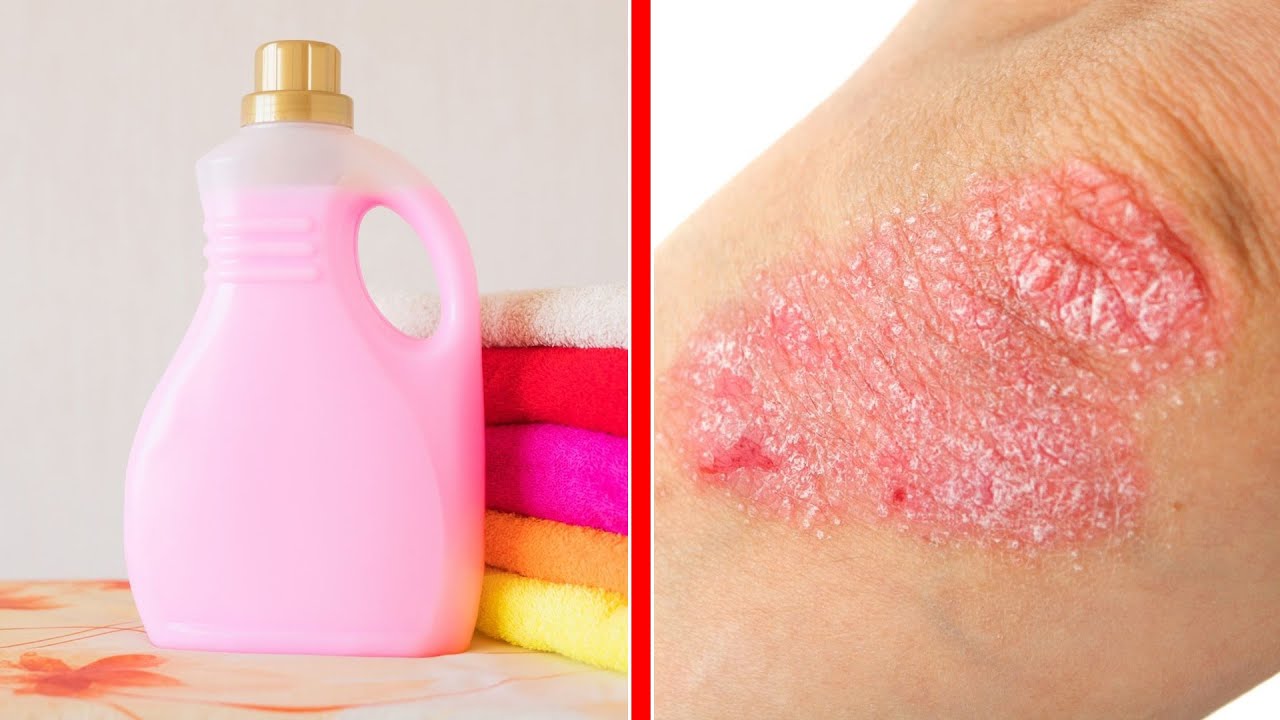
Some individuals experience allergic reactions such as redness, itching, or rashes upon contact with clothes washed in fabric softener. If you notice these symptoms, it might be worth investigating your laundry routine.
Long-Term Effects
Repeated exposure to irritating substances may lead to chronic conditions like dermatitis, leading to more significant discomfort over time.
Safe Alternatives
Fortunately, there are many alternatives to fabric softeners that can keep your laundry fresh without the potential drawbacks.
Natural Fabric Softeners
- Vinegar: Adding a cup of white vinegar during the rinse cycle can soften fabrics while neutralizing odors.
- Baking soda: This can help regulate acidity in the wash, leaving your clothes soft.
- Essential oils: A few drops can provide natural fragrance without synthetic irritants.
DIY Fabric Softeners
You can easily create your own fabric softener at home with simple ingredients, ensuring it’s free from harmful chemicals.
Mistakes to Avoid
Transitioning away from fabric softener can require some adjustments. Being aware of common pitfalls will help you on this journey.
Assuming All Products Are Safe
Many products labeled as “natural” can still contain harsh chemicals. Always check the ingredient list.
Using Too Much Alternative
Overdoing it with alternatives like vinegar can lead to unexpected results, such as residue buildup on clothes.
Neglecting Allergies
Ignoring prior allergic reactions to certain products can exacerbate skin issues. Stay alert to changes in your skin’s response.
FAQ
Can fabric softeners cause skin allergies?
Yes, many people report allergic reactions to the chemicals and fragrances found in fabric softeners.
What are some natural alternatives to fabric softener?
White vinegar, baking soda, and essential oils are popular natural alternatives that can soften fabric without irritating skin.
How can I tell if I am allergic to fabric softener?
Consult a healthcare professional if you experience skin irritations or allergic reactions after exposure. A patch test may help identify specific allergens.
Conclusion
Paying attention to what you use on your laundry can positively affect your skin health. Exploring safe alternatives to fabric softeners can help you avoid irritation while keeping your clothes fresh. What alternatives have you found effective for your laundry routine?