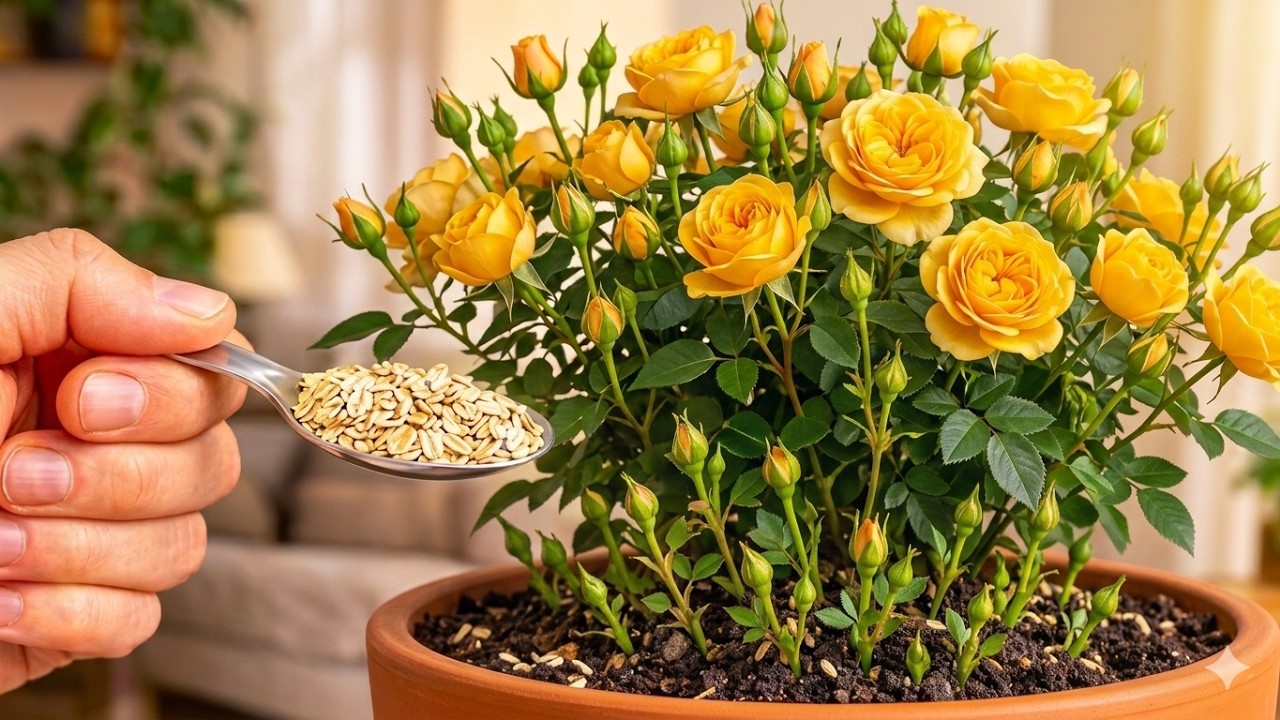
Unlock 1 Spoonful for Explosive Rose Blooms & Nonstop New Shoots! 🌹
Unlock the Secret to Explosive Rose Blooms and Nonstop New Shoots
- Introduction
- Essential Nutrients for Roses
- Best Practices for Rose Care
- Common Mistakes to Avoid
- FAQ
Introduction
After months of nurturing, you step into your garden, only to find your roses lacking the vibrant blooms you envisioned. Instead of lush petals and thriving greenery, the sight may leave you feeling slightly disheartened. Understanding what your roses need can make all the difference in achieving those breathtaking blossoms. Read on to discover ways to unlock the potential of your roses, bringing forth glorious flowers and robust new growth.
Essential Nutrients for Roses
To ensure healthy growth and abundant blooms, your roses require specific nutrients. These nutrients play a vital role in their overall health and blooming capacity.
1. Nitrogen for Green Growth
Nitrogen is crucial for promoting lush, green foliage. Without adequate nitrogen, your roses may grow slowly and fail to produce blooms.
- Add a nitrogen-rich fertilizer in early spring.
- Choose a balanced fertilizer with a higher nitrogen ratio.
- Apply according to package instructions for optimal results.
2. Phosphorus for Blooming
Phosphorus is essential for forming buds and enhancing flower production. This nutrient encourages more vibrant and plentiful blooms.
- Incorporate bone meal into the soil to boost phosphorus levels.
- Use a fertilizer with higher phosphorus content during the blooming phase.
3. Potassium for Overall Health
Potassium strengthens plant health and improves disease resistance. It also influences flower size and color.
- Choose a potassium-rich organic fertilizer.
- Apply it during the growing season for lasting impacts.
Best Practices for Rose Care
Beyond nutrients, proper care techniques can significantly enhance the growth and flowering capabilities of your roses.
1. Pruning for Healthy Growth
Regular pruning can stimulate new growth and improve air circulation.
- Remove dead or damaged wood in early spring.
- Cut back one-third of older stems to promote new shoots.
2. Watering Techniques
Watering deeply and consistently is key to healthy roses. Ensure the roots receive adequate moisture.
- Water at the base of the plant to prevent mildew.
- Water early in the morning to reduce evaporation.
3. Mulching for Protection
Applying mulch not only conserves moisture but also suppresses weeds that compete for nutrients.
- Use organic materials like wood chips or straw.
- Apply a 2-inch layer around the base of the roses.
Common Mistakes to Avoid
Even seasoned gardeners can fall victim to common rose care mistakes. Being aware of these can help you foster a more robust garden.
1. Overwatering
Roses do not thrive in soggy soil. Ensure proper drainage to prevent root rot.
2. Ignoring Soil Quality
Using poor soil can stunt growth. Regularly amend your soil with organic material for better fertility.
3. Neglecting Pest Control
Pests can cause significant damage to your roses. Keep an eye out for aphids, and treat them promptly.
FAQ
What are the best fertilizers for roses? Rose-specific fertilizers that are high in nitrogen and phosphorus are ideal for promoting growth and blooms.
How often should I water my roses? Roses generally need deep watering about once a week, depending on weather conditions.
When is the best time to prune roses? Early spring is the best time to prune, just as the plants begin to bud.
Conclusion
By providing your roses with the right nutrients and care techniques, you can encourage explosive blooms and continuous new shoots. What are your favorite methods for caring for roses? Share your tips in the comments!