Remove Shrimp Veins in 3 Seconds with This Simple Flosser Trick!
Effortless Ways to Remove Shrimp Veins
Introduction
Peeling shrimp can sometimes feel like a tedious chore, especially when you come across those pesky veins. These dark strands can be off-putting and even a source of concern for health-conscious cooks. If you find yourself hesitating over shrimp preparation, rest assured that there are simple ways to make this process easier. Understanding how to effectively remove shrimp veins will elevate your culinary experience. Keep reading to discover techniques that make this task quick and straightforward.
Understanding Shrimp Veins
Before diving into the removal techniques, it helps to know what shrimp veins are and why they matter. The “vein” you often see is actually the shrimp’s digestive tract, which can contain sand and other debris.
What Are Shrimp Veins?
The vein runs along the back of the shrimp and varies in size. It’s not harmful to eat but may affect the taste and presentation of your dish. For many, removing it is a matter of taste and aesthetics.
Why Remove Shrimp Veins?
Removing the vein can enhance the overall flavor and texture of your dish. It can also help create a more appealing presentation, especially when serving shrimp as a centerpiece. Keeping the shrimp clean before cooking ensures you enjoy the full, fresh taste without any unwanted texture.
Easy Methods for Removal
Now that you understand the importance of removing shrimp veins, let’s explore some effective methods that make it easier for you. Each method is designed to minimize your effort while maximizing results.
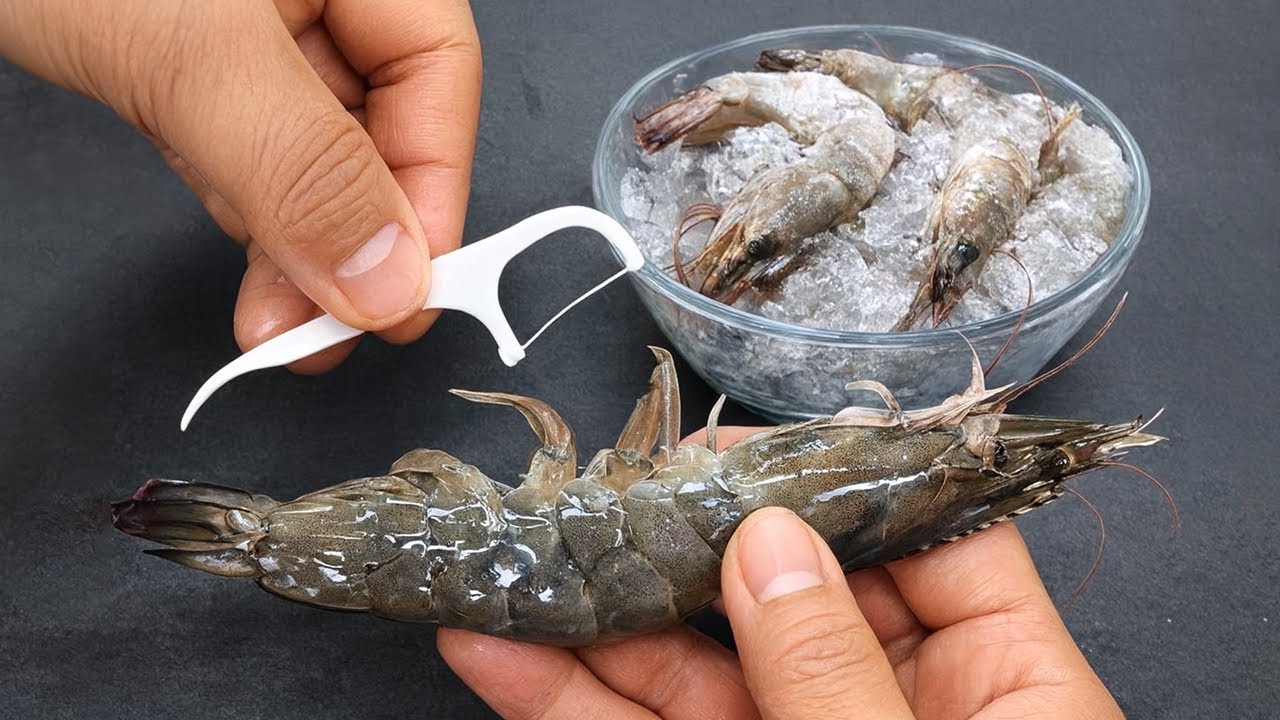
1. The Flosser Trick
If you’re looking for a quick and efficient way to remove the vein, consider using a simple tooth flosser. Here’s how:
- Take a single-use tooth flosser and hold the shrimp firmly.
- Insert the flosser just beneath the shell, where the vein runs.
- Gently pull upward to extract the vein in one swift motion.
This method saves you time and effort and is especially effective for those who find handling small shrimp a challenge.
2. Using a Knife
If you prefer a more traditional method, a small knife can do the trick. Here’s how to use it:
- Slide the knife along the shrimp’s back to expose the vein.
- Lift the vein gently with the tip of the knife.
- Pull it away until it detaches from the shrimp.
A sharp knife allows for precision and can be useful for larger shrimp varieties.
3. Drying Method
Sometimes, simply drying the shrimp can make it easier to see the vein. Here’s a neat trick:
- Pat the shrimp dry with a paper towel.
- Observe the back of the shrimp carefully.
- Use a toothpick to gently lift and remove the vein once it is more visible.
This technique not only makes it easier to see the vein but also adds a layer of cleanliness to your meal preparation.
Common Mistakes
While removing shrimp veins seems straightforward, some common mistakes can hinder your efforts. Here’s how to avoid them:
1. Rushing the Process
Taking shortcuts can lead to incomplete removal. Always take your time to ensure you fully remove the vein.
2. Using Dull Tools
Using a dull knife or flosser can lead to mishaps. Ensure your tools are sharp and clean for the best results.
3. Overcooking Without Cleaning
Cooking shrimp with the vein still intact can lead to an unpleasant texture. Always remove it before cooking for the best eating experience.
FAQ
What happens if I eat shrimp with the vein?
Eating shrimp with the vein is generally safe, but it may contain sand and affect the eating experience. It’s advisable to remove it for better taste.
Can I remove the vein from cooked shrimp?
Yes, you can remove the vein from cooked shrimp, but it may be a bit messier. It’s best to remove it while the shrimp are still raw for easier handling.
How can I tell if the shrimp is fresh?
Fresh shrimp should have a mild ocean smell and a firm texture. Avoid shrimp that has a strong, fishy odor or feels mushy.
Conclusion
Removing shrimp veins can greatly improve your cooking and dining experience with just a bit of attention and the right technique. Whether you opt for the dental flosser trick or a more traditional method, the result is a cleaner, more flavorful dish. Have you tried any other methods for removing shrimp veins? Share your experiences in the comments!