Why You Should Use Dish Soap in the Sink: The Plumber’s Secret
Why You Should Use Dish Soap in the Sink: The Plumber’s Secret
Did you know that dish soap can be your best ally when facing a clogged sink? This little-known plumber’s secret can save you from costly repairs!
Understanding Clogged Sinks
Clogs can occur in kitchen and bathroom sinks due to various factors. The severity of the blockage often dictates whether you can fix it yourself or need to call a professional. Typically, what’s actually blocked are the drainage pipes.
In kitchens, food residues and dish soap are common culprits for clogs. In bathrooms, hair, fur, and various soaps can create significant blockages. While it’s always wise to consult a professional for severe issues, there are simple home remedies you can try first.
Step 1: Grab a Plunger
Your first line of defense should be a plunger. In the most severe cases, water won’t drain on its own, and you’ll need to assist it. Here’s how to proceed:
Using Dish Soap for Clogged Sinks
When dealing with a clogged sink, hot water is your best friend. Avoid using harsh chemicals that can damage your plumbing. Instead, follow these steps:
- Boil a pot of water. Note that tap water typically reaches a maximum of 70 degrees Celsius, which isn’t hot enough. You want boiling water for the best results.
- Pour the hot water directly into the sink. The heat helps to dissolve what’s blocking the drain.
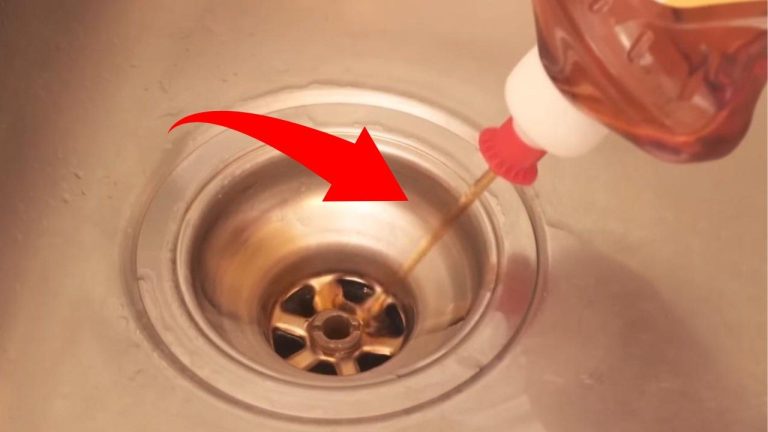
- For added effectiveness, mix dish soap with warm water beforehand and pour it into the sink. The heat will help melt away grease.
This soap method is most effective for light clogs. If the blockage is significant, you may need to explore other remedies.
Natural Remedies to Unclog Your Sink
Before turning to harsh chemicals that can be corrosive to your pipes, consider these natural remedies:
- Salt, Vinegar, and Baking Soda: Mix a half cup of each ingredient and pour it down the drain. Let it sit for about 30 minutes, then pour boiling water over it.
- Hydrogen Peroxide and Baking Soda: Combine a half cup of both ingredients and pour into the drain. Cover it, and after about 30 minutes, rinse with boiling water.
Avoid Harmful Chemicals
Stay away from caustic soda and plumber’s liquid. These substances are hazardous for both humans and plumbing systems. If you find yourself considering these options, it’s time to call in a professional plumber to assess the situation.
Conclusion
Using dish soap in your sink can be a clever and effective way to tackle minor clogs. With a few simple methods and natural remedies, you can often resolve the issue without resorting to harsh chemicals. Remember, while it’s always good to try these steps, don’t hesitate to reach out to a professional for more serious problems.