Unlock 5 Secrets to Help Your Orchid Root Fast and Thrive!
5 Secrets to Help Your Orchid Root Fast and Thrive
- Understanding Orchid Roots
- Creating an Optimal Environment
- Watering Techniques for Healthy Roots
- Fertilizing Your Orchid
- Common Mistakes to Avoid
- FAQ
Understanding Orchid Roots
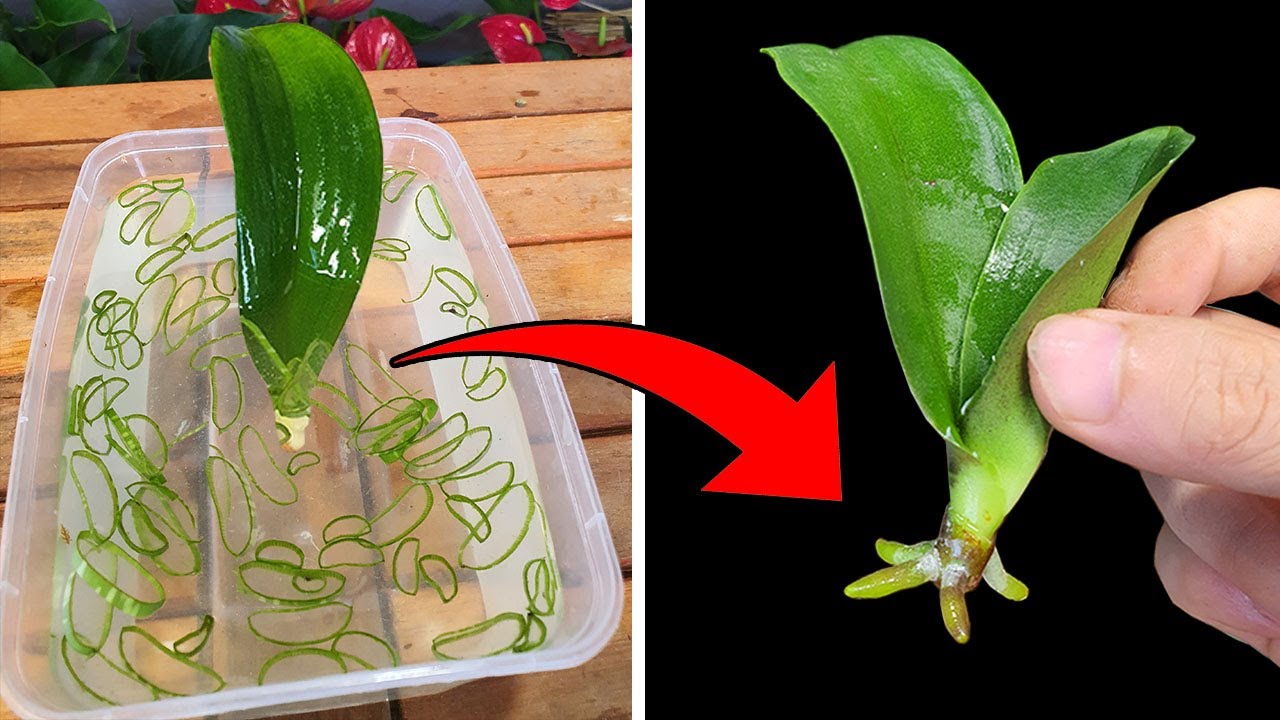
When you acquire an orchid, one of the first things you may notice are its unique roots. Unlike conventional houseplants, orchid roots are adapted to absorb moisture and nutrients from the air and rain. These roots can be green or silvery, depending on their moisture content. Understanding how these roots function is essential for nurturing your orchid effectively.
Types of Orchid Roots
Orchids typically have two types of roots: velamen roots and non-velamen roots. The velamen roots are covered in a spongy, water-retaining tissue that helps absorb humidity from the air. The non-velamen roots anchor the plant in its growing medium. Recognizing the difference can help you know when to water your orchid.
The Role of Roots in Orchid Health
Healthy roots are crucial for your orchid’s overall health, as they play a role in nutrient absorption, moisture retention, and stability in its growing environment. When roots thrive, your orchid can produce beautiful blooms and remain vibrant.
Creating an Optimal Environment
To encourage rapid root growth in your orchid, you need to create an environment that mimics its natural habitat. Orchids thrive in conditions that are warm and humid, with plenty of air circulation.
Temperature and Humidity
- Keep your orchid in a warm area, ideally between 65°F to 75°F (18°C to 24°C) during the day and slightly cooler at night.
- Maintain humidity levels between 50% and 70%. You can achieve this by placing a humidity tray filled with pebbles and water beneath the pot.
Light Requirements
Your orchid also needs adequate light for optimal root growth. Position it near a window where it can receive bright, indirect sunlight. Too much direct sunlight can burn the leaves, while too little light can stunt growth.
Watering Techniques for Healthy Roots
Proper watering techniques are essential for nurturing orchid roots. Overwatering is one of the most common mistakes and can lead to root rot.
Best Practices for Watering
- Water your orchid when the top inch of the potting medium feels dry. This typically happens once a week but may vary based on environmental conditions.
- Use lukewarm water for a gentler hydration experience. Cold water can shock the roots.
- Ensure proper drainage by using a pot with drainage holes to allow excess water to escape.
Signs of Proper Watering
Healthy roots should appear firm and bright green. Yellowing or shriveling roots often indicate over or underwatering. Regular monitoring will help you adjust your watering schedule as needed.
Fertilizing Your Orchid
Just like any plant, orchids require nutrients to thrive. Fertilization is a vital part of your orchid care routine that supports root development and growth.
Choosing the Right Fertilizer
Opt for a balanced orchid fertilizer with an N-P-K ratio of 30-10-10 or 20-20-20. This will provide your plant with essential nutrients like nitrogen, phosphorus, and potassium.
When and How to Fertilize
- Fertilize every two to four weeks during the growing season, which typically runs from spring to early fall.
- Dilute the fertilizer to half the recommended strength to avoid over-fertilizing.
- Apply the fertilizer when the orchid is wet to prevent root burn.
Common Mistakes to Avoid
Even seasoned orchid growers can make mistakes that may hinder root development. Here are some common pitfalls to avoid.
1. Overwatering
One of the leading causes of orchid root issues is overwatering. Always check the moisture level of the potting medium before watering.
2. Inadequate Lighting
Placing your orchid in direct sunlight may cause leaf burn. Ensure it receives bright, indirect light for best results.
3. Using the Wrong Potting Medium
Orchids require well-draining mediums like bark or sphagnum moss. Conventional potting soil can suffocate the roots.
4. Ignoring Pests
Pests like aphids or mealybugs can damage roots if not treated. Regularly inspect your orchid for signs of infestation.
5. Improper Temperature
Sudden temperature changes can stress your orchid. Aim to keep your plant in a stable environment.
FAQ
How often should I water my orchid?
Typically, you should water your orchid once a week, allowing the top inch of the potting medium to dry out before watering again. This can vary based on environmental factors.
What type of potting mix is best for orchids?
Orchids thrive in well-draining potting mixes such as those made from orchid bark, sphagnum moss, or coconut coir, which provide aeration and moisture retention.
Why are my orchid roots turning brown?
Browning roots may indicate overwatering or root rot. Ensure proper drainage and check for underlying issues affecting root health.
Conclusion
Taking care of your orchid roots involves understanding their needs and providing a supportive environment. By following these five secrets, you can help ensure that your orchid not only roots fast but also thrives beautifully. What tips have you found helpful in your orchid care journey? Feel free to share in the comments!