5 Secrets of the Magic Water for Year-Round Blossoms and Healthy Roots
5 Secrets for Using Water to Promote Year-Round Blossoms and Healthy Roots
- Introduction
- Choosing the Right Water
- Optimal Watering Techniques
- Supplementing Your Water
- Common Mistakes to Avoid
- FAQ
- Conclusion
Introduction
As a gardener, you may find that certain plants flourish while others struggle, even when they receive similar care. One crucial element often overlooked is the quality of the water you use. Differences in mineral content, pH levels, and temperature can significantly impact the health of your plants. Understanding how to optimize your watering techniques can lead to lush blooms and vibrant roots. Let’s explore the secrets to harnessing the power of water for your garden.
Choosing the Right Water
Water is not just water. The type you choose can affect your plants in various ways, enabling year-round blossoms and robust root systems. Here are some choices:
- Tap Water: While convenient, tap water may contain chlorine and fluoride. Letting it sit for 24 hours before use can help these chemicals dissipate.
- Rainwater: This is often considered the best choice. It’s naturally soft and free from chemicals. Consider collecting it in barrels for year-round use.
- Distilled Water: Ideal for sensitive plants, distilled water lacks minerals but should be supplemented with nutrients.
Benefits of Rainwater
Rainwater is naturally acidic, which can help break down nutrients in the soil, making them more available to your plants. This quality helps create an optimal growing environment.
Assessing Water Quality
Testing your water for pH and mineral content can help you decide the best options. Many home testing kits are available to check these levels with ease.
Optimal Watering Techniques
Using the right techniques can make all the difference in how your plants absorb water and nutrients. Consider these methods:
- Deep Watering: Water deeply but less frequently, encouraging roots to grow downward.
- Morning Watering: Water in the morning to minimize evaporation and fungal diseases.
- Drip Irrigation: This system delivers water directly to the roots, reducing waste and focusing on where it’s needed.
How Much Water is Enough?
Generally, most plants need about an inch of water per week. However, this can vary based on the type of plant and environmental conditions. Always check the soil moisture first.
Temperature of Water
Using room temperature water helps avoid shocking the roots. Cold water can hinder growth, while hot water can damage them.
Supplementing Your Water
Enhancing your water with natural additives can lead to healthier plants. Here are some ideas:
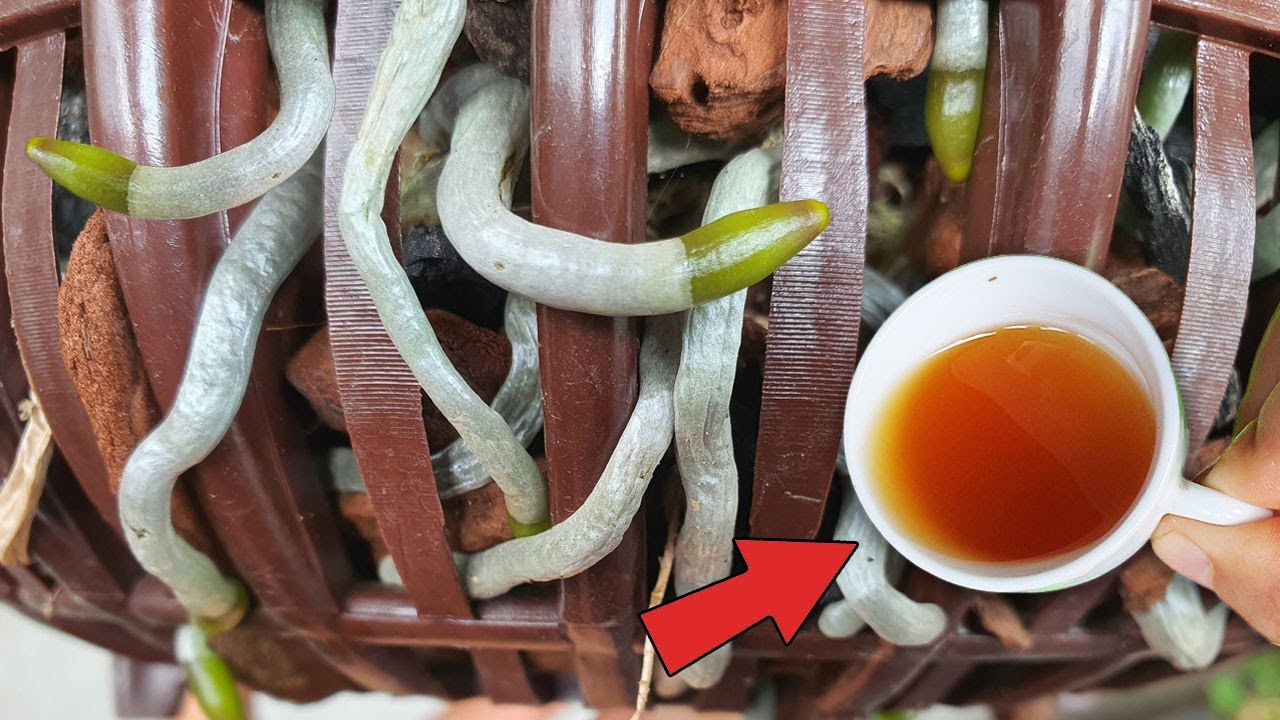
- Compost Tea: This adds beneficial microbes and nutrients. Brew compost in water for 24–48 hours before use.
- Fish Emulsion: Rich in nitrogen, this organic fertilizer should be diluted before application to avoid plant burn.
- Seaweed Extract: This provides trace minerals and can boost plant stress resistance.
Using Organic Inputs
Always opt for organic supplements to ensure your plants remain healthy and free from chemicals that can be harmful over time.
Storing Supplemented Water
If you prepare water with supplements, use it within 24 hours for the best results. Store in a cool, dark place to maintain its efficacy.
Common Mistakes to Avoid
Even experienced gardeners make mistakes when it comes to watering. Here are some pitfalls to avoid:
- Overwatering: This can suffocate roots and lead to root rot. Always check soil moisture before watering.
- Ignoring Water Quality: Using low-quality or chemically treated water can damage delicate plants.
- Watering at the Wrong Time: Watering at midday can lead to increased evaporation, wasting resources.
Relying Solely on Rainwater
While rainwater is beneficial, it may not provide enough nutrients during dry spells. Always have a backup water plan.
Neglecting to Adjust Techniques
As seasons change, so should your watering techniques. Be attentive to the needs of your plants as conditions evolve.
FAQ
What type of water is best for my plants? Rainwater is generally the best option due to its natural acidity and absence of chemicals. However, distilled or filtered water can be a good choice for sensitive plants.
How often should I water my plants? It typically depends on the plant type, but most need about an inch of water per week. Always check the soil moisture before watering.
Can I use tap water immediately? It’s recommended to let tap water sit for at least 24 hours to dissipate chlorine and other chemicals before using it on your plants.
Conclusion
Understanding how to use water effectively can significantly impact your gardening success. Choosing the right water, using optimal techniques, and avoiding common mistakes are key to ensuring your plants thrive year-round. What strategies have you found most helpful for watering your garden? Please share your thoughts in the comments.