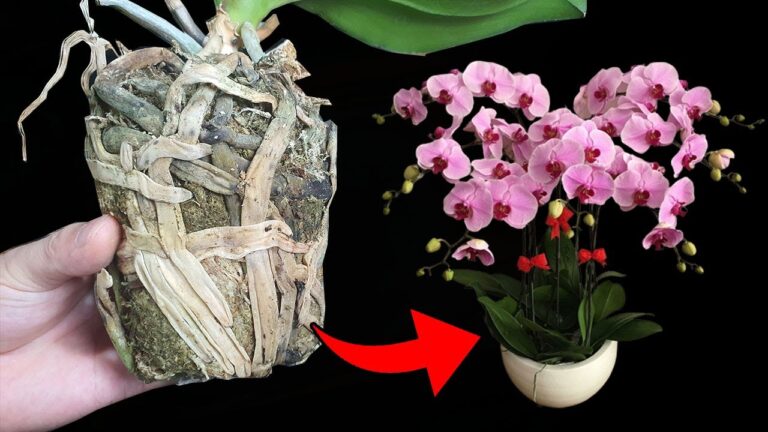
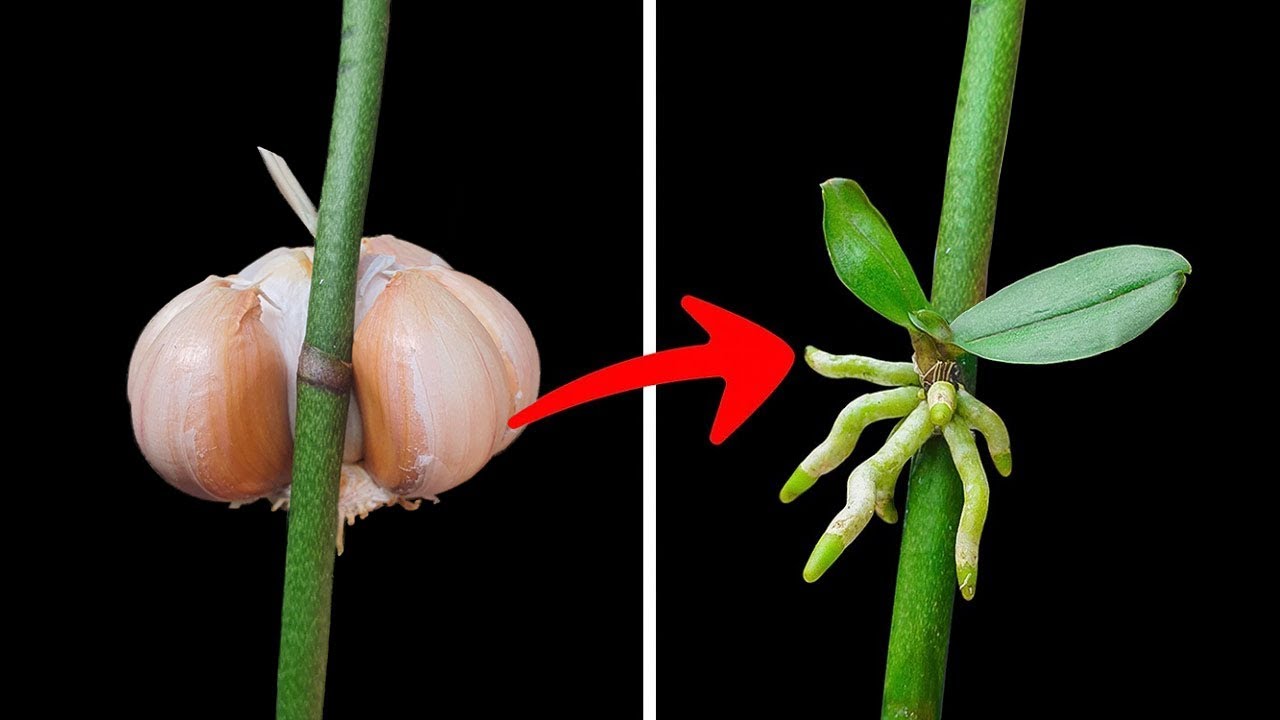
7 Secrets to Propagate Orchids Super Fast Like a Pro
7 Secrets to Propagate Orchids Super Fast Like a Pro
- Introduction
- Understanding Orchid Biology
- Required Materials
- Step-by-Step Propagation Guide
- Common Mistakes
- FAQ
- Conclusion
Introduction
If you’ve ever admired the beauty of orchids, you may have felt a thrill at the thought of bringing more of these stunning plants into your home. However, getting started with orchid propagation can seem daunting. You might wonder about the best methods, the right materials, or if it’s even possible to achieve success. Don’t let uncertainty hold you back; understanding just a few secrets can set you on the path to propagating orchids with ease. Read on for essential tips to help you become more confident in your propagation efforts.
Understanding Orchid Biology
Before diving into orchid propagation, it’s essential to know a bit about their biology. Orchids belong to one of the largest families of flowering plants, possessing unique characteristics that influence their propagation.
If You’re New to Orchids
Orchids have specialized structures that allow them to thrive in various environments. For propagation, understanding these structures—such as pseudobulbs and roots—can help you choose the right methods.
Choosing the Right Varieties
Some orchids propagate more successfully than others. Consider starting with varieties known for their ease of propagation, such as Phalaenopsis or Dendrobium.
Required Materials
Gathering the right materials is vital for successful orchid propagation. Below is a list of what you’ll need.
- Potting medium: Choose a well-draining mix, such as bark chips or sphagnum moss.
- Containers: Small pots or propagation trays work well.
- Tools: A sharp, sterilized knife or scissors for cutting. Clean tools help prevent disease.
- Hormones: Rooting hormones can boost your success rate.
- Water: Distilled or rainwater is best for maintaining humidity.
Step-by-Step Propagation Guide
Now that you have a solid understanding of the biology and materials, it’s time to get into the actual propagation process. Here’s a detailed guide to help you along the way.
1. Preparing the Orchid
- Inspect the parent plant for healthy roots and leaves.
- Choose a mature pseudobulb or keiki for propagation.
- Cut gently, ensuring your tools are sterilized to minimize trauma.
2. Setting Up the Propagation Environment
Creating the right environment is crucial for rooting.
- Fill your containers with an appropriate potting medium.
- Moisten the medium before placing the cuttings in.
- Place the cuttings carefully, ensuring they have good contact with the substrate.
3. Providing Care
Monitor conditions closely after planting.
- Keep the soil moist but not soggy.
- Ensure they receive bright, indirect light.
- Maintain humidity around the plants by covering them loosely with plastic to create a greenhouse effect.
Common Mistakes
Even seasoned gardeners can make mistakes during orchid propagation. Here are a few common pitfalls to avoid:
- Using the wrong type of potting medium can hinder root development.
- Over-watering is a frequent issue; orchids thrive in moisture but dislike sitting in water.
- Neglecting to sterilize tools can lead to infections.
- Placing them in direct sunlight may scorch the delicate leaves.
- Not providing enough humidity can stunt growth.
FAQ
How long does it take for orchid cuttings to root?
Typically, orchid cuttings can take anywhere from a few weeks to several months to establish roots, depending on the type and conditions provided.
Can I propagate orchids in water?
While some gardeners try water propagation, it’s generally more successful to use a suitable potting medium to support the roots and overall health of the plant.
What is a keiki, and how do I propagate it?
A keiki is a small offset that grows from the parent orchid. You can propagate a keiki by gently separating it from the parent plant and following similar steps as with regular propagation.
Conclusion
Successful orchid propagation comes down to understanding their biology and providing the right care. With these tips, you can enjoy the reward of nurturing new plants. Have you tried propagating orchids, and what was your experience like?