Solve Blockages in 3 Minutes: No Money Needed for This Simple Trick!
How to Solve Blockages in Your Home: Simple Tips You Can Use
- Common Causes of Blockages
- Effective Solutions for Blockages
- Essential Tools and Materials
- Mistakes to Avoid When Dealing with Blockages
- Frequently Asked Questions
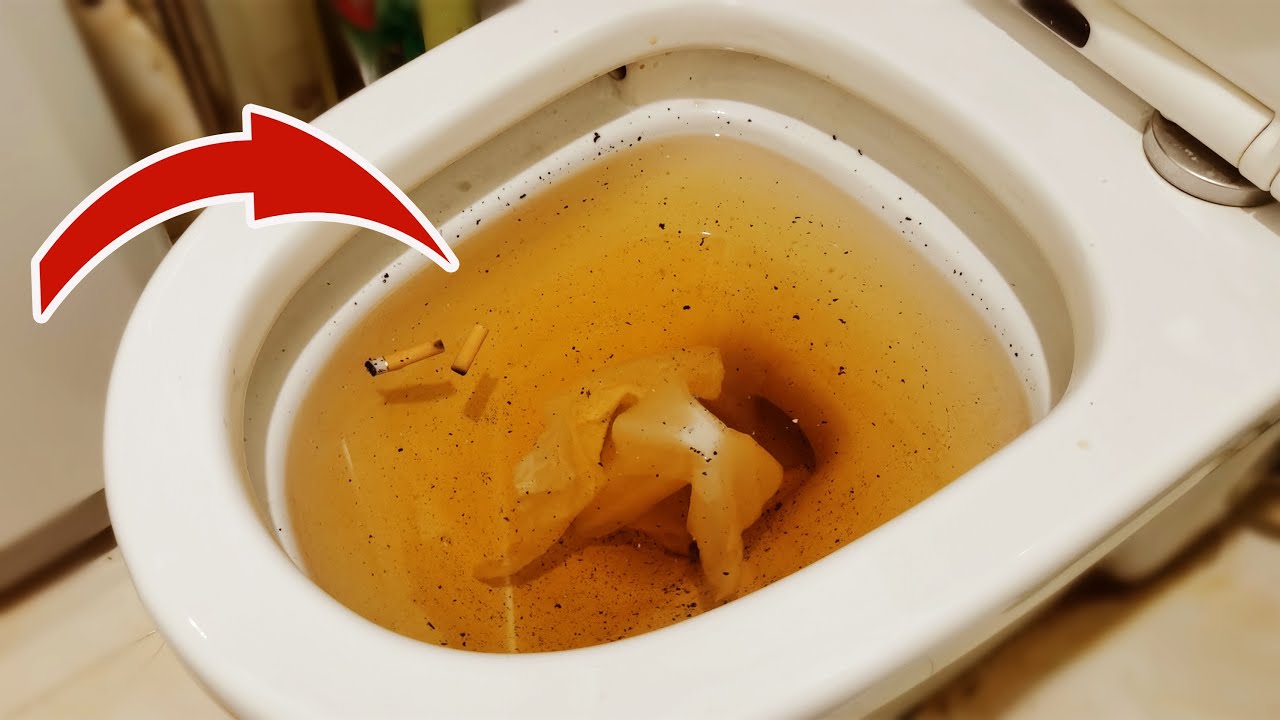
Many homeowners have experienced the annoyance of sudden blockages in sinks, toilets, or even outdoor drains. It often catches you off guard, especially when you’re busy with daily tasks. You might find yourself wondering what you can do right away without needing to call a plumber or spend money on fancy tools. The good news is that there are simple, effective methods to address these issues on your own. Read on to explore practical solutions that could save you time and frustration.
Common Causes of Blockages
Understanding the common causes of blockages is crucial before tackling the issue. Here are a few frequent culprits:
- Hair buildup: One of the most common reasons for bathroom blockages.
- Food particles: In kitchens, food waste can contribute to clogged sinks.
- Grease: Cooking oils can solidify and form a blockage in your drains.
- Foreign objects: Items like wipes and sanitary products can create significant obstructions.
Identifying Blockage Signs
Look for these signs to confirm you have a blockage:
- Slow drainage: Water takes longer than usual to drain.
- Gurgling sounds: Unusual noises from pipes indicate air trapped by a blockage.
- Unpleasant odors: Bad smells coming from drains may signal food or waste buildup.
Effective Solutions for Blockages
Here are some effective solutions you can implement to deal with blockages:
1. Boiling Water
- Heat water: Bring a pot of water to a rolling boil.
- Pour slowly: Carefully pour the boiling water down the drain in stages.
- Repeat: If necessary, repeat the process to remove persistent blockages.
2. Baking Soda and Vinegar
This simple combo can work wonders for minor blockages:
- Add baking soda: Pour about half a cup of baking soda into the affected drain.
- Follow with vinegar: Add half a cup of vinegar. You’ll see fizzing; cover the drain.
- Rinse: After 30 minutes, flush with hot water.
Essential Tools and Materials
Having the right tools and materials can simplify your efforts. Here’s what you should consider:
- Plunger: A basic yet powerful tool for clearing blockages.
- Drain snake: Ideal for removing deeper or stubborn blockages.
- Bucket: Useful for catching water when you’re working on a blocked area.
Using a Plunger Effectively
Here’s how to make the most of your plunger:
- Position: Ensure the plunger cup covers the drain opening.
- Pump: Push down gently, then pull up quickly. Repeat several times.
- Check: Rinse the drain with water to see if the blockage is cleared.
Mistakes to Avoid When Dealing with Blockages
There are several mistakes to avoid that can worsen the issue:
- Using too much force: Excessive pressure can damage pipes.
- Pouring harsh chemicals: These can corrode your plumbing over time.
- Ignoring the signs: Delaying action can lead to worse blockages.
Dealing with Persistent Blockages
If a blockage persists despite your best efforts, consider these tips:
- Consult a professional: Sometimes, expert help is necessary.
- Regular maintenance: Regularly clean your drains to prevent future issues.
Frequently Asked Questions
1. What should I do if boiling water doesn’t unfreeze the blockage?
If boiling water doesn’t work, try the baking soda and vinegar method next, or use a plunger for additional clearing.
2. Can using a plunger damage my pipes?
Generally, when used correctly, a plunger is safe for most pipes. Just avoid excessive force.
3. How can I prevent future blockages?
Regular maintenance and being mindful of what goes down your drains can significantly reduce blockages.
In conclusion, tackling blockages in your home can be straightforward if you follow these simple tips and methods. Remembering to regularly maintain your plumbing is key to avoiding issues down the line. What are some of your go-to techniques for keeping your drains clear?