7 Genius Ways to Turn Everyday Items into a Portable Welder!
7 Clever Ideas to Transform Everyday Items into a Portable Welder
- Introduction
- Understanding Welding Basics
- Materials Needed for Your DIY Welder
- Step-by-Step Guide to Creating Your Welder
- Common Mistakes to Avoid
- FAQ
- Conclusion
Introduction
Have you ever found yourself with a broken item that needs welding but no access to a professional welder? This is a common predicament for many DIY enthusiasts and homemakers. Everyday items around your house can be creatively repurposed, allowing you to create a portable welder that suits your needs. Whether you want to repair metal furniture or construct small metal projects, these clever ideas will guide you through the process of transforming ordinary objects into an effective welding solution. Keep reading to discover how.
Understanding Welding Basics
Before diving into crafting your portable welder, it’s important to grasp the fundamentals of welding. Knowing the different types of welding can help you decide what method and materials will work best for your projects.
Types of Welding
- MIG (Metal Inert Gas): This method uses a continuous wire feed and is great for beginners.
- TIG (Tungsten Inert Gas): It’s more complex and requires a steady hand, ideal for precise work.
- Stick Welding: It’s often the go-to for outdoor projects due to its versatility in various conditions.
Safety Precautions
Welding can be hazardous, so always prioritize safety. Use protective gear like gloves, goggles, and a face shield. Make sure to work in a well-ventilated area to avoid inhaling harmful fumes.
Materials Needed for Your DIY Welder
Gathering the right materials is key to building your portable welder. Most items can be found around your home or at a local hardware store.
Essential Items
- Power Source: Look for an old battery or a car battery that can provide a sufficient voltage.
- Conductive Material: Copper wire or metal strips work best for connecting components.
- Protective Housing: A sturdy box or container can be repurposed to safely contain your homemade welder.
Additional Tools
- Wire cutters
- Insulation tape
- Electrical connectors
Step-by-Step Guide to Creating Your Welder
Now that you have gathered your materials, let’s go through the steps to create your portable welder.
1. Prepare Your Power Source
Ensure the battery is fully charged. Clean the terminals to ensure a proper connection.
2. Connect Conductive Materials
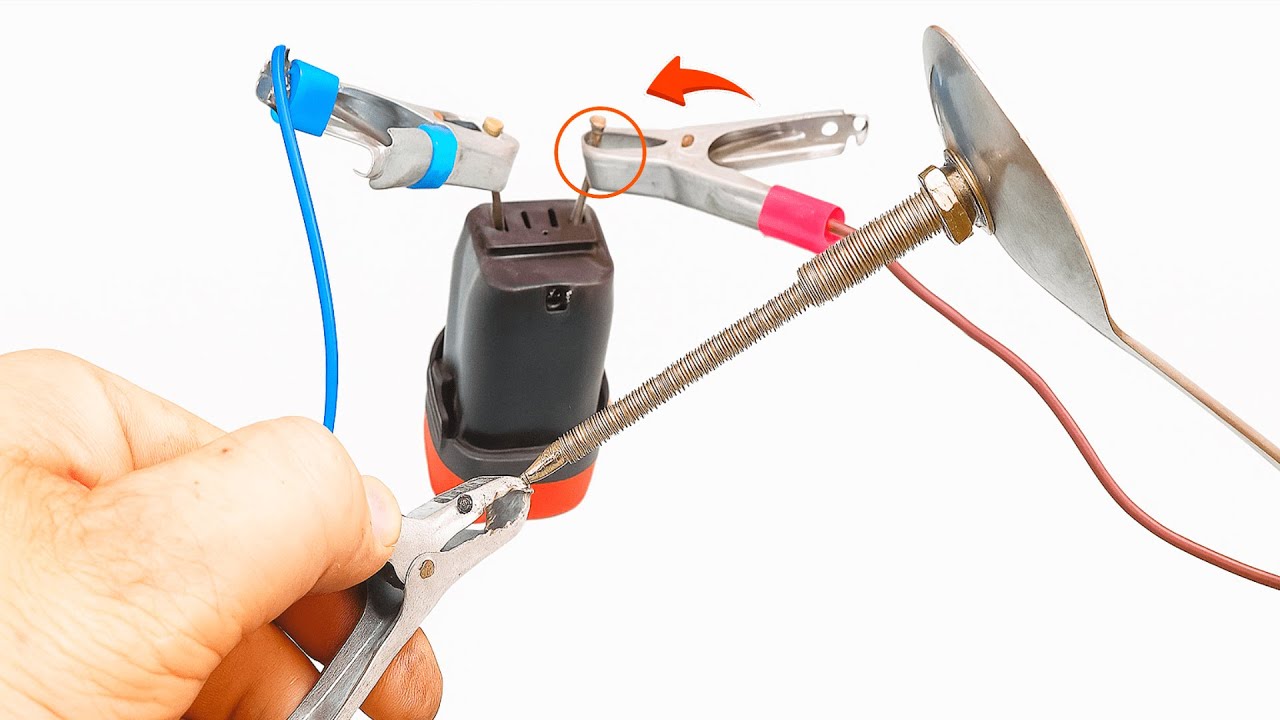
Using your copper wire or metal strips, securely connect the positive and negative terminals of the battery. Make sure the connections are tight to avoid overheating.
3. Assemble the Housing
Place the battery and connected wires inside your chosen container. This will help prevent any accidental contact with live wires.
4. Testing Your Welder
Test the setup by trying to weld two small metal pieces together. Start with a low temperature setting to assess your welding’s effectiveness.
5. Fine-tuning
Adjust the connections and test again. You may need to repeat this process to enhance the welding quality.
Common Mistakes to Avoid
Creating your portable welder can be rewarding, but it’s easy to make some common mistakes. Here are things to watch out for:
- Using the wrong power source: Ensure that the voltage used is appropriate for welding.
- Poor connections: Loose connections can lead to poor welding results or safety hazards.
- Neglecting safety precautions: Always wear protective gear and ensure proper ventilation.
FAQ
Can I use any type of battery for welding?
While you can use different batteries, car batteries are ideal because of their high voltage output. Always check compatibility with the welding method you plan to use.
Is it safe to build my own welder?
Yes, but you must follow safety precautions diligently. Wear protective gear and ensure good ventilation while working.
How do I know if my welder is working properly?
Your welder should produce a clean weld with good fusion between metal pieces. If the weld is cracking or weak, adjustments may be needed.
Conclusion
Repurposing everyday items into a portable welder can be a fun and practical project for your DIY endeavors. By understanding basic welding concepts and properly assembling your welder, you can tackle various metal projects with ease. What unique items have you successfully transformed into useful tools? Share your experience in the comments!