7 Secrets to Rooting Any Plant Cuttings Fast and Free!
7 Secrets to Rooting Any Plant Cuttings Fast and Free
- Introduction
- Understanding Plant Cuttings
- Preparing Your Cuttings
- Creating an Optimal Environment
- Mistakes to Avoid
- FAQ
- Conclusion
Introduction
Have you ever tried to grow new plants from cuttings, only to watch them struggle and wither? It can be frustrating when you’re eager to propagate your favorite plants without spending a dime. Many gardeners face this challenge, unsure of the best techniques to ensure success. Learning secrets to rooting plant cuttings effectively can open up a world of possibilities in your garden. Keep reading to discover practical tips that can help your cuttings flourish.
Understanding Plant Cuttings
Before diving into the process, it’s essential to grasp the basics of plant cuttings. Different plants can be propagated in various ways, and knowing which method fits best can significantly boost your success rate.
Types of Cuttings
There are primarily two types of cuttings you can work with:
- Stem Cuttings: Ideal for many shrubs and houseplants, you simply cut a portion of the stem.
- Leaf Cuttings: Perfect for succulents and certain houseplants, a whole leaf or a section of it can be used.
Understanding Plant Types
Each species has its needs, so knowing your plants is crucial. For instance, herbaceous plants often root more quickly than woody plants, while some plants like the pothos are incredibly forgiving when it comes to cuttings.
Preparing Your Cuttings
Preparation is key to successful propagation. Here are some steps to consider when you are ready to take your cuttings:
- Select Healthy Parents: Choose a healthy parent plant to ensure robust cuttings. Look for vibrant leaves and stems.
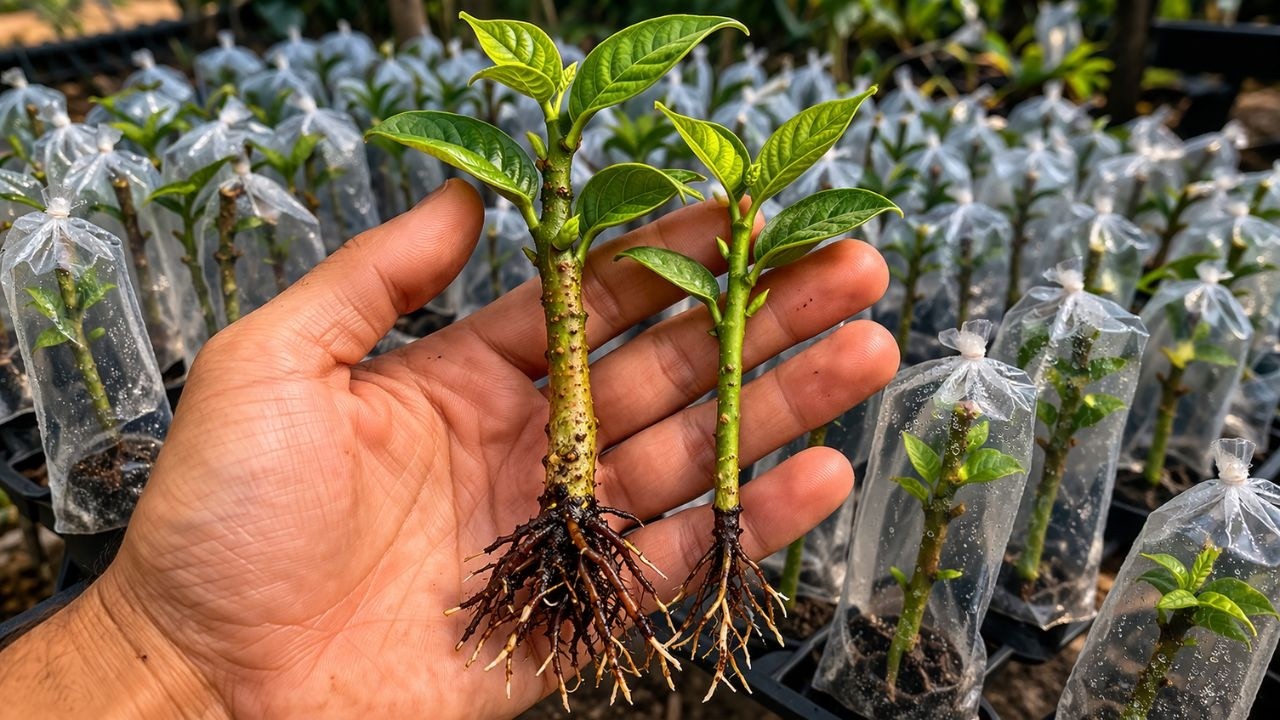
- Take the Cuttings: Use clean, sharp scissors or pruners to cut a 4–6 inch section of a stem below a node.
- Remove Lower Leaves: Strip off the leaves from the lower half of the cutting, leaving just a couple at the top.
Using Rooting Hormone
For an extra boost, consider using a rooting hormone. This can be in powder, liquid, or gel form and helps to stimulate root growth.
Creating an Optimal Environment
Your cuttings need the right conditions to root effectively. Here’s how you can create an ideal environment:
Temperature and Humidity
Most plant cuttings thrive in warm, humid conditions. Placing them in a mini greenhouse or covering them with plastic can help maintain humidity levels. Aim for temperatures around 70-75°F (21-24°C) for optimal growth.
Light Requirements
While cuttings need light, direct sunlight can be harsh. Place them in a bright, indirect light location for the best results.
Mistakes to Avoid
Even with the right techniques, mistakes can happen. Here are common pitfalls to watch out for:
- Overwatering: Keep the soil slightly moist but avoid waterlogged conditions, as this can lead to rot.
- Choosing the Wrong Time: Propagate during the growing season when plants are actively working on new growth.
- Neglecting Hygiene: Always use sterilized tools to prevent disease and ensure the best chance of success.
FAQ
What is the best time to take cuttings?
Generally, spring and early summer are the best times, as plants are actively growing.
How long does it take to root cuttings?
Depending on the plant type, it usually takes 2 to 6 weeks for cuttings to develop roots.
Can I root cuttings in water?
Yes, many cuttings can successfully root in water. Just ensure the part where the roots will grow is submerged, not the leaves.
Conclusion
Rooting plant cuttings can be a rewarding and cost-effective way to expand your garden. By understanding the preparation and environment your cuttings need, you can foster strong, healthy plants. Have you tried rooting cuttings before, and what has your experience been?