8 Signs of Vitamin Deficiency You Must Not Ignore for Better Health!
8 Signs of Vitamin Deficiency You Should Not Ignore
- Understanding Vitamin Deficiencies
- Common Signs to Watch Out For
- Specific Vitamin Indicators
- Mistakes to Avoid
- FAQ
Do you often feel fatigued or experience unexplained symptoms that seem to linger? Sometimes your body can signal that something isn’t quite right with more than just fatigue. Vitamin deficiency is often overlooked, yet it can significantly affect your overall well-being. Paying attention to these signs can help you address potential deficiencies before they escalate. Explore the various signs and ensure your health is on the right track.
Understanding Vitamin Deficiencies
Vitamin deficiencies occur when the body does not receive adequate amounts of essential nutrients. These deficiencies can stem from various factors such as poor dietary choices, health conditions, or even the body’s inability to absorb certain vitamins effectively. Here are some important points to consider:
What Are Vitamins?
Vitamins are organic compounds that our bodies need to function correctly. They play crucial roles in metabolism, immune function, and cell growth. A balanced diet typically provides the required vitamins, but lifestyle choices may affect intake.
How Do Deficiencies Develop?
Deficiencies can manifest over time due to inadequate intake, increased needs during certain life stages, or malabsorption issues. Understanding these factors can help you recognize potential risks to your health.
Common Signs to Watch Out For
If you notice the following symptoms, it may be time to look into your dietary habits and consider consulting a healthcare professional:
- Fatigue: Constant exhaustion can indicate lacking B vitamins or Vitamin D.
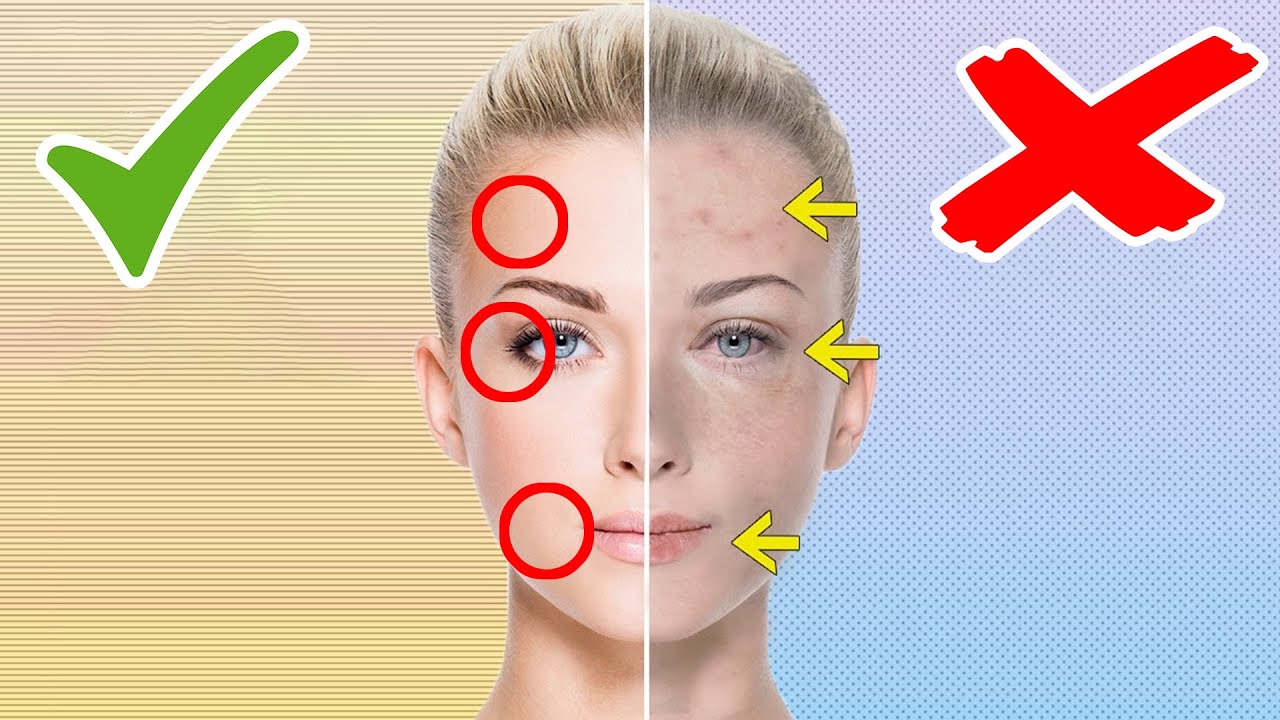
- Skin Issues: Dry, flaky skin can be a sign of Vitamin A deficiency.
- Hair Loss: Excessive hair loss might signal deficiencies in B vitamins, Vitamin D, or iron.
- Frequent Infections: Recurrent illnesses can suggest inadequate Vitamin C or zinc.
- Mood Changes: Feelings of sadness or anxiety may point to a deficiency in Vitamins D or B12.
Recognizing Early Symptoms
Don’t dismiss signs that your body might be sending. Early recognition is key; if you notice consistent patterns of these symptoms, it may be time for a dietary review.
When to Seek Help
If you find that the common signs persist despite dietary changes or if you have other health concerns, consulting a healthcare provider is wise. They can guide you towards the right tests and treatments.
Specific Vitamin Indicators
Different vitamin deficiencies can have unique symptoms. Here are some specific indicators related to common vitamin deficiencies:
Vitamin D Deficiency
- Bone pain or discomfort
- Muscle weakness
Vitamin B12 Deficiency
- Numbness or tingling in extremities
- Pale or jaundiced skin
Vitamin A Deficiency
- Night blindness
- Dry eyes or skin
Each vitamin plays a unique role in your body’s function. Understanding these specific indicators allows for a more targeted approach to addressing potential deficiencies.
Mistakes to Avoid
When addressing health, it’s easy to make mistakes related to vitamins. Here are some common pitfalls to watch for:
- Ignoring Symptoms: Don’t overlook persistent symptoms; they may indicate a significant deficiency.
- Self-Diagnosing: Avoid diagnosing yourself; always consult a healthcare professional for accurate assessments.
- Over-Supplementing: Taking excess vitamins can lead to toxicity. Always follow professional advice for supplementation.
FAQ
What are the most common vitamin deficiencies?
Vitamin D, B12, iron, and Vitamin A deficiencies are among the most prevalent issues many face.
How can I test for vitamin deficiencies?
Testing can be done through blood tests ordered by your healthcare provider, detecting levels of specific vitamins in your bloodstream.
Can diet alone correct vitamin deficiencies?
Often, a balanced diet can support health, but seeking professional guidance is crucial for addressing significant deficiencies.
Recognizing signs of vitamin deficiency is the first step toward better health. Taking note of subtle changes can guide you towards fulfilling your nutritional needs. What are some signs you’ve noticed? Share your experiences in the comments below.