1 Minute to Effortlessly Remove Sticky Residue from Labels and Stickers!
Effortlessly Remove Sticky Residue from Labels and Stickers
- Introduction
- Understanding Sticky Residue
- Effective Solutions for Removal
- Common Mistakes to Avoid
- FAQ
- Conclusion
Introduction
Have you ever faced the frustration of trying to peel a label off a jar only to be left with an annoying sticky residue? This residue not only looks unsightly, but it can also make it difficult to reuse containers or keep surfaces clean. Countless individuals experience this scenario, often becoming exasperated by the remnants that cling stubbornly. While it may seem impossible to eliminate this mess with just a few simple methods, you might be relieved to know that there are effective strategies available. Let’s explore how you can tackle this sticky issue.
Understanding Sticky Residue
Before we dive into solutions, it’s valuable to understand what causes sticky residue. Various adhesives are used in labels and stickers, and these can be affected by a range of factors, from the materials themselves to the duration of their application. Here are a few key points:
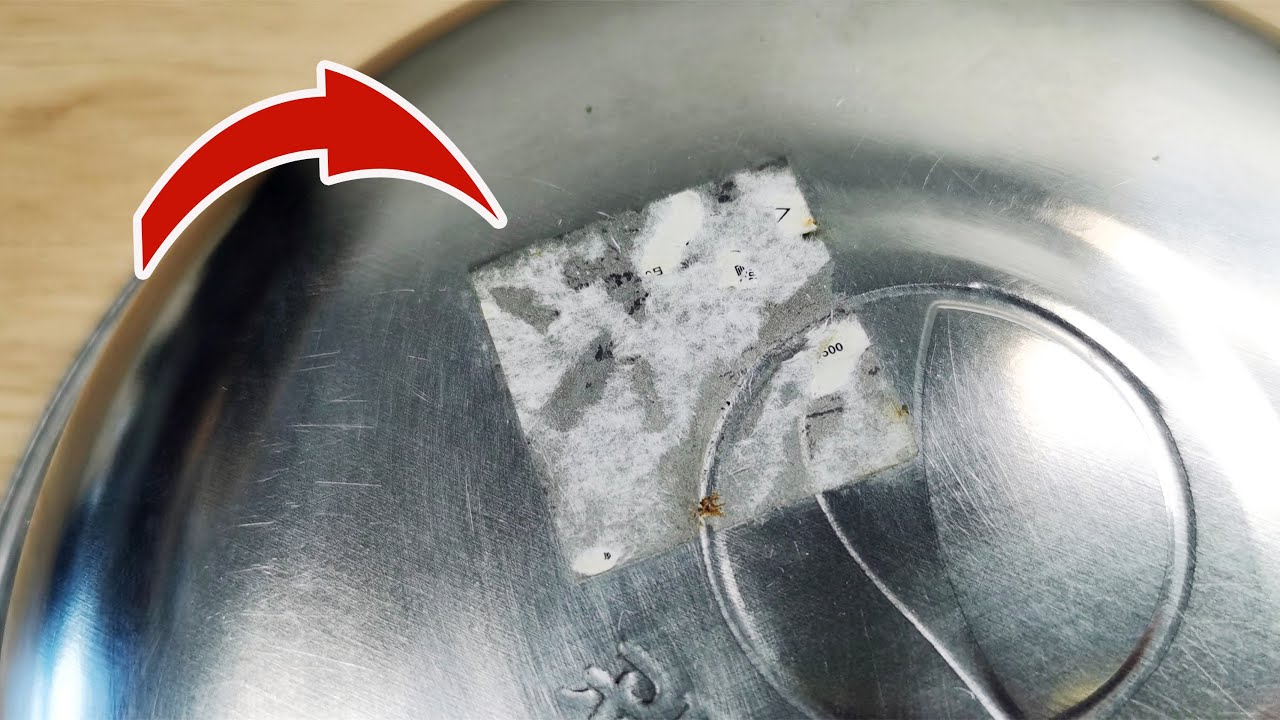
- What is sticky residue? It’s often made from glue that remains on surfaces after label removal. This glue can be particularly aggressive, making it tough to eliminate.
- Why does it occur? Products that are left exposed to heat, moisture, or time can lead to a breakdown of the adhesive, leaving behind a sticky surface.
- Where can you find it? You can encounter sticky residues not just on jars, but also on furniture, walls, and even electronics.
Effective Solutions for Removal
Now, let’s discuss several methods to remove sticky residue effectively. With common household products at your fingertips, you can restore surfaces without much hassle.
1. Vinegar and Baking Soda
- Mix equal parts of white vinegar and water in a spray bottle.
- Spray the solution onto the residue and let it sit for 5-10 minutes.
- Scrub gently with a soft cloth or sponge to lift the residue.
2. Cooking Oil
Cooking oil can be a surprising yet effective solution. It breaks down the adhesive, making removal easier.
- Apply a small amount of cooking oil onto a cotton ball.
- Rub it directly onto the sticky area.
- Wipe clean with a paper towel or cloth to remove both the oil and residue.
3. Rubbing Alcohol
Rubbing alcohol acts as a solvent, effectively dissolving sticky residues.
- Soak a cotton ball or pad in rubbing alcohol.
- Press it against the residue for a few moments.
- Wipe away the residue with a clean cloth.
Common Mistakes to Avoid
When it comes to removing sticky residue, there are a few pitfalls to be mindful of. Avoiding these common mistakes can save you time and frustration:
- Using excessive force: Scrubbing too hard can scratch the surface underneath the residue.
- Ignoring air exposure: Don’t allow the residue to remain covered; air can help break down the adhesive.
- Mixing cleaning agents: Avoid combining different chemicals that could result in harmful reactions.
FAQ
What materials can be damaged by these removal methods? While most surfaces are safe, porous materials like unfinished wood or delicate fabrics may be adversely affected. Always test in an inconspicuous area first.
Can I use heat to remove sticky residue? Yes, applying gentle heat with a hairdryer can soften the adhesive, but be cautious not to overheat or damage the surface.
Is there a way to prevent labels from leaving residue? When possible, opt for labels that are specifically designed to be removable, as these typically use less aggressive adhesives.
Conclusion
Removing sticky residue from labels and stickers can be achieved with simple household products and straightforward techniques. By following the methods outlined and avoiding common mistakes, you can keep your surfaces clean and residue-free. Which method are you most eager to try? Share your experiences in the comments below!