1 Spoon to Make Your Jabuticaba Tree Bear Fruit All Year! Discover the Secrets Now!
One Spoon to Make Your Jabuticaba Tree Bear Fruit Year-Round
- Understanding Jabuticaba Trees
- Benefits of Year-Round Fruiting
- Preparation and Care for Your Tree
- Common Mistakes to Avoid
- FAQ
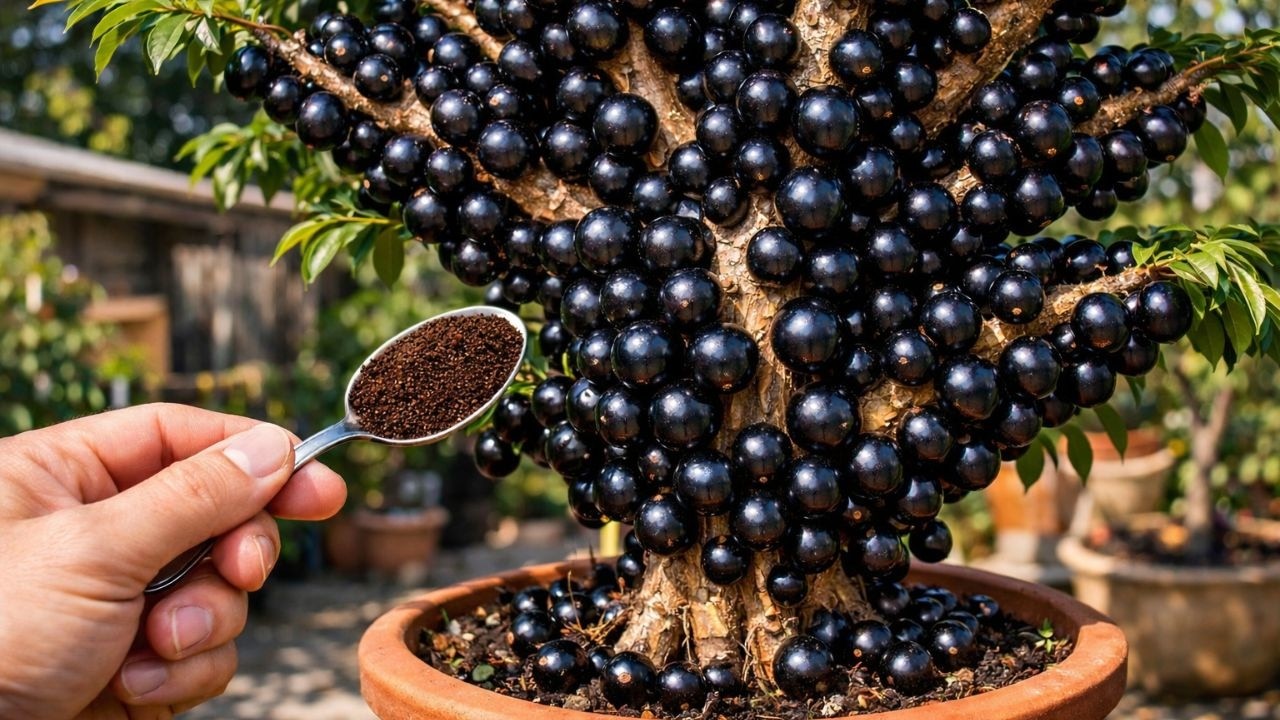
Have you ever admired the striking beauty of a Jabuticaba tree, with its dark fruits clinging directly to the trunk? Despite their lush appearance and the promise of sweet, grape-like berries, many gardeners struggle to produce fruit throughout the year. This scenario can lead to frustration, especially when the anticipation of fresh harvests is high. Thankfully, understanding some key strategies can make a difference in your results. Let’s explore how you can optimize your Jabuticaba tree care for abundant fruiting.
Understanding Jabuticaba Trees
Jabuticaba trees, native to Brazil, are known for their unique fruiting method. Instead of growing on branches like most trees, their grapes grow directly from the trunk, creating an impressive display.
Characteristics of the Jabuticaba Tree
- Height: Typically reaches heights of 15 to 30 feet.
- Climate: Thrives in warm, tropical to subtropical climates.
- Growth Habit: Fast-growing, with a dense, bushy appearance.
Life Cycle and Fruiting Schedule
Jabuticaba trees can fruit multiple times a year under optimal conditions. Typically, they start bearing fruit around 4-5 years after planting. Understanding their life cycle is key to ensuring they reach their full fruiting potential.
Benefits of Year-Round Fruiting
Producing fruit year-round has numerous benefits beyond just the enjoyment of fresh snacks. Here are some key advantages:
Continuous Harvest
Having fruits available throughout the year means you can enjoy fresh Jabuticaba in various recipes, from jams to desserts, without the worry of seasonal scarcity.
Enhanced Tree Health
Regular fruiting can encourage healthier and more vigorous tree growth. With the right care, you’ll likely see better overall foliage and sturdier branches.
Increased Aesthetic Appeal
Fruit-laden trees not only provide delicious fruits but also enhance the visual appeal of your garden. The stunning contrast of dark fruit against the green leaves makes for a captivating sight.
Preparation and Care for Your Tree
Effective care for your Jabuticaba tree will significantly increase its ability to bear fruit all year. Below are some essential preparation steps and tips for ongoing maintenance.
Choosing the Right Location
First and foremost, select an appropriate spot in your garden:
- Sunlight: Ensure the tree receives full sun for at least 6 hours daily.
- Soil Quality: Opt for well-drained, slightly acidic soil.
- Space: Allow ample space for the tree to grow, avoiding crowded conditions.
Watering and Nutritional Needs
Proper watering and nutrition are crucial:
- Watering Schedule: Keep the soil consistently moist but not soggy, especially during fruiting periods.
- Fertilization: Use a balanced fertilizer every month during the growing season, enriched with micronutrients.
- Mulching: Apply organic mulch to retain moisture and suppress weeds.
Pruning and Training Your Tree
Regular pruning encourages better air circulation and light penetration:
- Remove: Any dead or diseased branches.
- Shape: Trim to maintain a desirable shape and open the center for sunlight.
- Timing: Perform major pruning after fruiting season to avoid losing potential crops.
Common Mistakes to Avoid
As you cultivate your Jabuticaba tree, be mindful of these common pitfalls that can hinder its ability to bear fruit:
- Overwatering: Too much water can lead to root rot and negatively affect fruit production.
- Neglecting Soil pH: Jabuticaba trees prefer slightly acidic soil; test and amend as necessary.
- Ignoring Pests: Keep an eye out for pests; they can damage the foliage and fruit.
- Inconsistent Fertilization: Regular feeding is essential during the growing season; don’t skip months.
FAQ
How long does it take for a Jabuticaba tree to bear fruit? Typically, Jabuticaba trees start bearing fruit after about 4-5 years of growth.
Can I grow Jabuticaba in a pot? Yes, Jabuticaba can be grown in pots, though they require larger containers to accommodate their root systems.
What is the best time to prune a Jabuticaba tree? The best time to prune is after the fruiting season to avoid removing potential crops.
Conclusion
By ensuring optimal care and understanding the essential needs of your Jabuticaba tree, you can enjoy a fruitful harvest all year round. What are your favorite ways to use Jabuticaba in your recipes or gardening? Share in the comments below!