10 Budget-Friendly Tips to Extend Your Gardening Season
10 Budget-Friendly Tips to Extend Your Gardening Season
As summer fades and the chill of autumn sets in, are you ready to protect your garden from frost? Many gardeners face the uncertainty of fluctuating temperatures, often scrambling to save their plants just before the first frost. Fortunately, there are several budget-friendly strategies you can employ to extend your gardening season and continue enjoying fresh produce well into the colder months.
Reasons to Extend Your Growing Season
There are many compelling reasons to extend your garden’s growing season:
- Short Growing Seasons: If you live in an area with brief summers and long winters, you might seek ways to maximize your harvest.
- Fresh Produce Longer: Enjoying fresh, homegrown food without the need for immediate preservation is a major perk.
- Long-Season Crops: Want access to cool-season crops like garlic, broccoli, and carrots? Extending your growing season can help.
- Commercial Gain: If you sell your produce, maintaining a longer harvest period can benefit your business.
1. Cold Frames
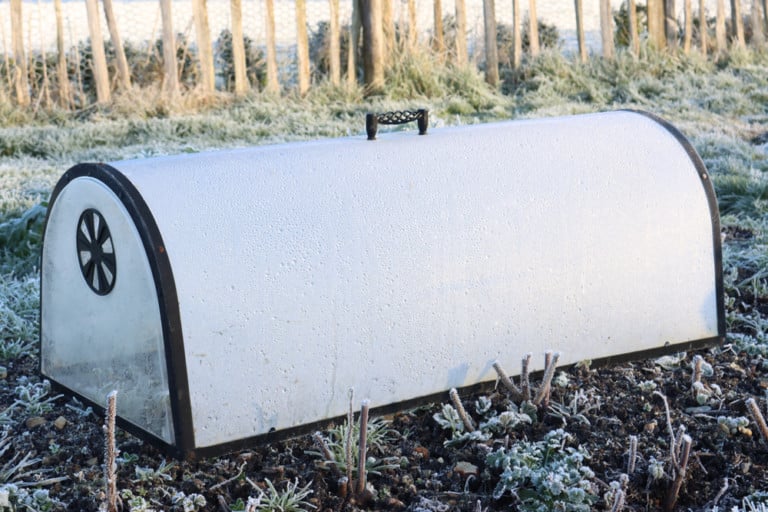
Cold frames are a practical way to extend your gardening season. These simple structures use sunlight to warm the soil, allowing for earlier planting and season extension. They’re ideal for starting seedlings and growing tender crops like peas and lettuce.
2. Hoop Houses
A hoop house is a semi-permanent structure providing a middle ground between cold frames and greenhouses. Made from a series of hoops covered with greenhouse plastic, they are excellent for extending the growing seasons of both warm- and cool-weather crops.
3. Greenhouses
Greenhouses come in various shapes, sizes, and materials to fit any gardener’s needs. They offer a more permanent solution for extending the growing season, allowing you to grow a wide range of plants year-round.
4. Row Covers
Row covers serve multiple purposes, from protecting crops from frost to preventing cross-pollination and shielding plants from pests. They can also keep crops sheltered from excess sun while allowing moisture through. For a DIY solution, simply drape old sheets over hoops to create your own row cover.
5. Cloches
Cloches function as mini greenhouses for individual plants, providing frost protection and aiding in soil warming. You can use simple items like plastic bottles or opt for more aesthetic glass cloches.
6. Insulation Barrier
Using materials like old blankets or dried leaves creates a temporary thermal layer for sensitive plants. Surrounding them with stakes and filling the structure with leaves provides effective frost protection.
7. Mulch
Applying mulch can significantly shield your plants from frost. Materials such as leaf mold, hay, and straw not only provide insulation but also enhance soil quality over time.
8. Plant Cold-Tolerant Crops
Consider shifting to cold-tolerant vegetables like kale, cabbage, and carrots as the seasons change. These varieties can thrive in cooler temperatures, allowing for continued harvests through frost.
9. Raised Beds
Raised beds offer quick-draining soil that warms faster, promoting earlier planting and later harvests. Additionally, they’re easy to cover with row covers or hoop houses as needed.
10. Replant in Pots
If you’re not ready to say goodbye to your herbs, consider potting them for indoor growing. This approach requires extra care but can yield fresh herbs throughout the winter months.
Conclusion
Finding inexpensive ways to extend your gardening season is entirely possible, allowing you to enjoy your harvest despite the cold. From cold frames to replanting herbs indoors, these tips will ensure your gardening endeavors can withstand even the frostiest of nights.