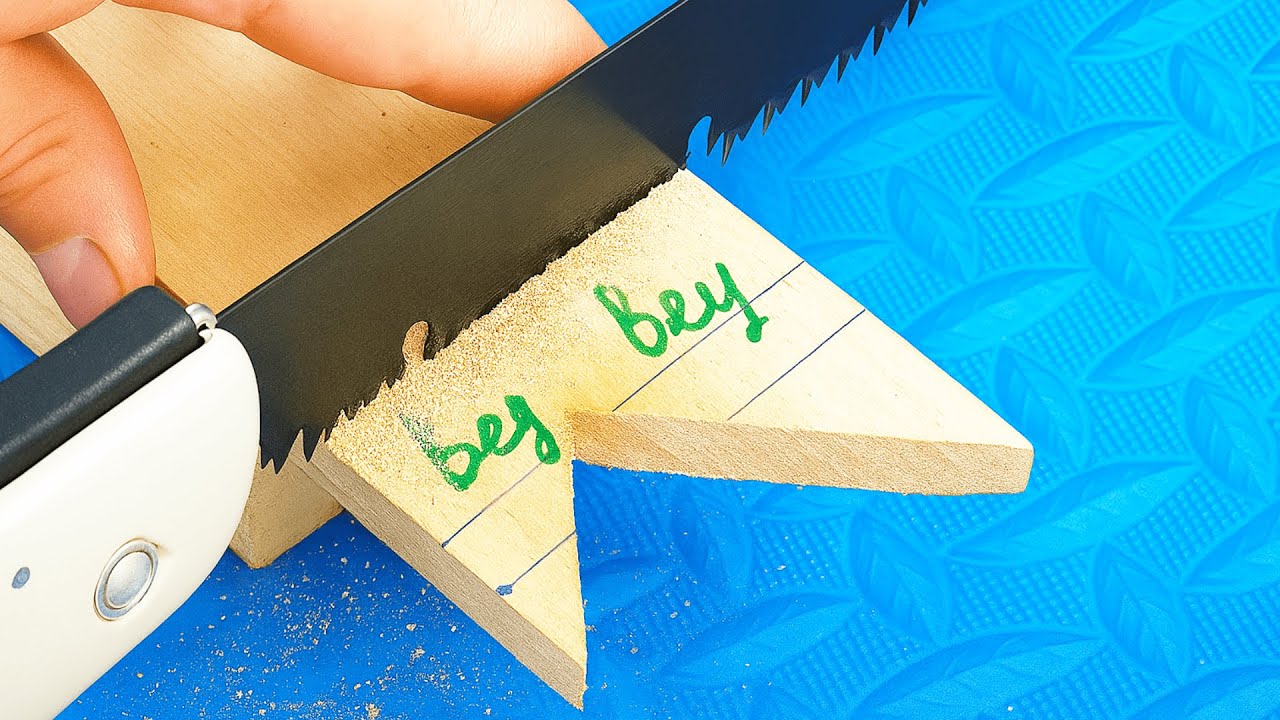
10 Wood Cutting Tips You Wish You Knew for Perfect Home Repairs!
10 Essential Wood Cutting Tips for Your Home Repairs
- Essential Materials for Wood Cutting
- Preparation Steps for Safe Wood Cutting
- Efficient Wood Cutting Techniques
- Common Mistakes to Avoid in Wood Cutting
- FAQs
Have you ever faced the frustration of uneven cuts while attempting a home repair project? It can be disheartening when your vision doesn’t match the outcome. Whether you’re fixing furniture or embarking on a DIY build, mastering wood cutting techniques is essential for achieving perfect results. Delving into proper methods and strategies can transform your home repairs from tedious chores to rewarding tasks. Keep reading to discover the best tips and techniques for wood cutting!
Essential Materials for Wood Cutting
Before you start any cutting project, having the right materials is crucial. Here’s a list to help you gather everything you need:
- High-quality saws: Invest in a manual saw for basic jobs and a power saw for larger projects.
- Measuring tools: Accurate measurements are essential, so keep a tape measure and square handy.
- Safety gear: Always wear safety glasses and gloves to protect yourself from wood debris.
- Clamps: These will help stabilize your wood pieces while you cut.
Choosing the Right Saw
Different projects require different types of saws. For instance, use a circular saw for straight cuts on larger panels, and a jigsaw for curves or intricate shapes. Understanding the distinct advantages of each type will ensure efficiency and precision in your cuts.
Importance of Clean Edges
For a professional finish, ensure your saw blades are sharpened and your wood surfaces are clean. This prevents splinters and makes for smoother cuts, enhancing the overall appearance of your finished project.
Preparation Steps for Safe Wood Cutting
Proper preparation can save you time and ensure safety. Follow these essential steps before you start cutting:
- Measure twice: Always double-check your measurements to avoid mistakes.
- Secure your wood: Use clamps to hold your wood in place, preventing movement while cutting.
- Mark your cut line: Use a pencil to clearly mark where you plan to cut, ensuring visibility.
Setting Up Your Workspace
Your workspace can significantly affect your cutting accuracy. Make sure you have ample lighting and space to maneuver your materials without obstruction.
Checking for Safety
Inspect your tools before use. Ensure that all saws and equipment are functioning properly to prevent accidents during your project.
Efficient Wood Cutting Techniques
Utilizing efficient techniques can drastically improve not just the quality but also the speed of your cutting. Here are a few methods to make your cuts more effective:
- Use guides: For longer cuts, consider using a straightedge or a guide rail to ensure accuracy.
- Practice proper stance: Stand firmly and keep your hands stable for better control of the saw.
- Cut along the grain: Always cut with the wood grain to achieve a cleaner finish.
Cutting Speed
Finding the right balance between speed and control is crucial. While it may be tempting to rush, operating at a steady pace yields the best results and maintains safety.
Adjusting Blade Depth
For power saws, adjusting the blade depth to just exceed the thickness of the wood can enhance cut precision while minimizing tear-out on the underside of the material.
Common Mistakes to Avoid in Wood Cutting
Even experienced DIYers can make mistakes during wood cutting. Avoid these common pitfalls:
- Not securing the wood properly, leading to movement and imprecise cuts.
- Overestimating the sharpness of dull blades, which can lead to jagged cuts.
- Using inappropriate saws for the task, resulting in wasted time and effort.
- Failure to wear adequate safety gear, exposing you to unnecessary risks.
- Rushing through cuts, which often ends in mistakes that require more time to fix.
FAQs
What type of saw is best for beginners? A hand saw is a great starting point for beginners due to its ease of use. For more complex tasks, a circular saw can offer versatility.
How can I improve my cutting accuracy? Practice measuring carefully and ensure your wood is secured before cutting. Always double-check your marked lines.
What safety gear should I use? Basic safety gear includes safety goggles and gloves. Depending on your project, ear protection might also be beneficial.
In summary, mastering the art of wood cutting requires the right materials, preparation, and techniques. By avoiding common mistakes, you can ensure successful home repairs that showcase your skills. What wood cutting challenges have you faced, and how did you overcome them? Share your experiences in the comments below!