3 Easy Steps to Multiply Your Rosemary at Home
How to Multiply Your Rosemary at Home
- Introduction
- Benefits of Multiplying Rosemary
- Best Methods for Rosemary Propagation
- Caring for Your New Rosemary Plants
- Common Mistakes to Avoid
- FAQ
- Conclusion
Introduction
Have you ever realized that your rosemary plant has become a bit unruly and overgrown? Perhaps you’ve wondered how to multiply this fragrant herb using simple methods right at home. Rosemary is not just a culinary delight; it can enhance your garden’s aesthetics too. As you explore the techniques for propagation, you’ll find that nurturing new plants can be a rewarding experience. Let’s dive deeper to discover how to multiply your rosemary effectively.
Benefits of Multiplying Rosemary
Multiplying your rosemary offers numerous benefits that go beyond just expanding your herb garden.
1. Fresh Herbs at Your Fingertips
By multiplying your rosemary, you ensure a steady supply of fresh herbs. You can enjoy adding a pinch to your dishes without needing to purchase from the store.
2. Cost-Effective Gardening
Instead of buying new plants, propagating your own rosemary is a budget-friendly option. It allows you to expand your garden without added expenses.
3. Enhancing Your Garden
New rosemary plants can bring added beauty and scent to your garden or home. The lush green foliage can compliment various plants and add interest to your outdoor space.
Best Methods for Rosemary Propagation
There are several effective methods to multiply your rosemary, each offering unique advantages. Here are two of the most popular methods:
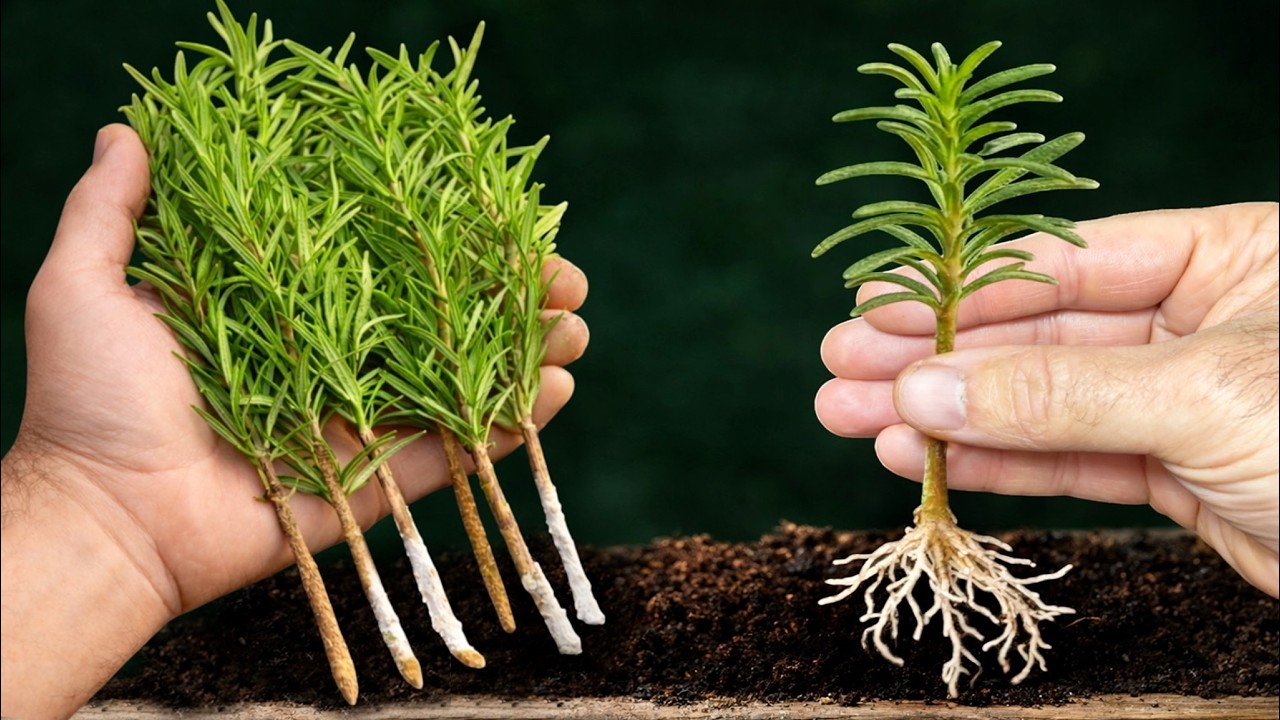
1. Stem Cuttings
- Choose healthy, semi-woody stems from your rosemary plant.
- Cut 4-6 inch sections just below a leaf node.
- Remove the lower leaves from the cuttings to prevent rot.
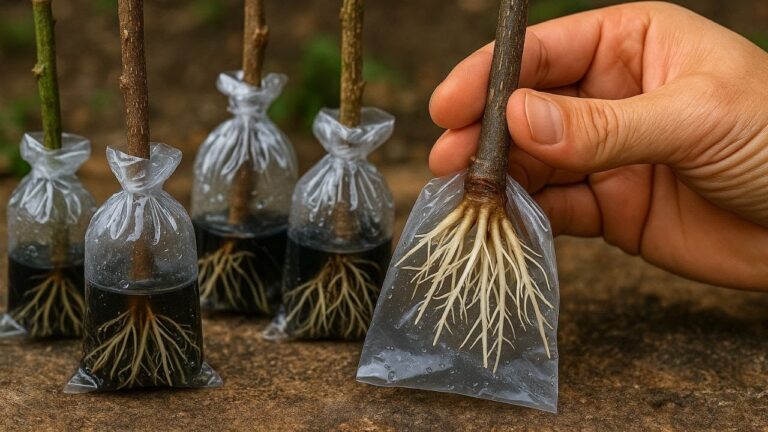
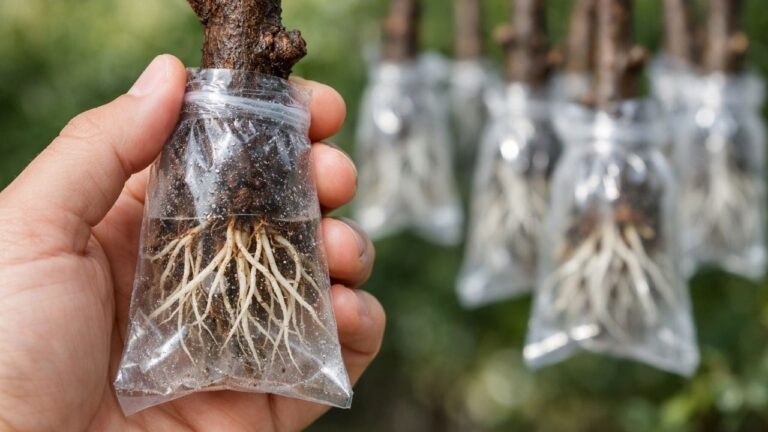
- Place the cut ends in a container filled with water, ensuring the leaf nodes are submerged.
- Wait for roots to develop, which usually takes a couple of weeks. Change the water every few days.
2. Layering
This method is ideal if you want to propagate a rosemary plant without cutting it down.
- Select a flexible stem close to the ground.
- Gently bend the stem to the soil, making a small incision on the underside.
- Cover the incision with soil and secure it with a stone or a U-shaped pin.
- Wait several months for roots to form before cutting the new plant away from the parent plant.
Caring for Your New Rosemary Plants
Caring for your newly multiplied rosemary plants is crucial for their growth and health.
1. Proper Sunlight
Rosemary thrives in bright, indirect sunlight. Ensure your new plants receive at least 6-8 hours of sunlight daily to promote healthy growth.
2. Watering Needs
Water your newly rooted rosemary plants when the top inch of soil feels dry. Be cautious not to overwater, as rosemary prefers well-drained soil.
3. Fertilization Tips
Feed your rosemary every month during the growing season with a balanced fertilizer to encourage robust growth. A good option is a water-soluble fertilizer diluted to half strength.
Common Mistakes to Avoid
When multiplying your rosemary, avoiding common pitfalls can significantly influence your success.
- Not using healthy cuttings can lead to poor growth or disease.
- Overwatering can harm rooting cuttings, causing rot.
- Neglecting light requirements can stunt growth of new plants.
- Forgetting to change water in the propagation phase can lead to contamination and slow root development.
- Failing to be patient can lead to premature planting, which may hinder proper establishment.
FAQ
How long does it take to propagate rosemary?
Typically, rosemary cuttings will take about 2-4 weeks to root, depending on the environment and care.
Can I propagate rosemary in water?
Yes, rosemary cuttings can successfully root in water before being transferred to soil.
What type of soil is best for rosemary?
Rosemary prefers well-draining soil, ideally a mix that includes sand or perlite to enhance drainage.
Conclusion
Multiplying your rosemary can lead to a flourishing herb garden and help you enjoy fresh flavors easily. By understanding the best methods and care requirements, you’ll be well-equipped to nurture healthy plants. What methods have you tried to grow your herbs at home? Feel free to share your experiences in the comments!