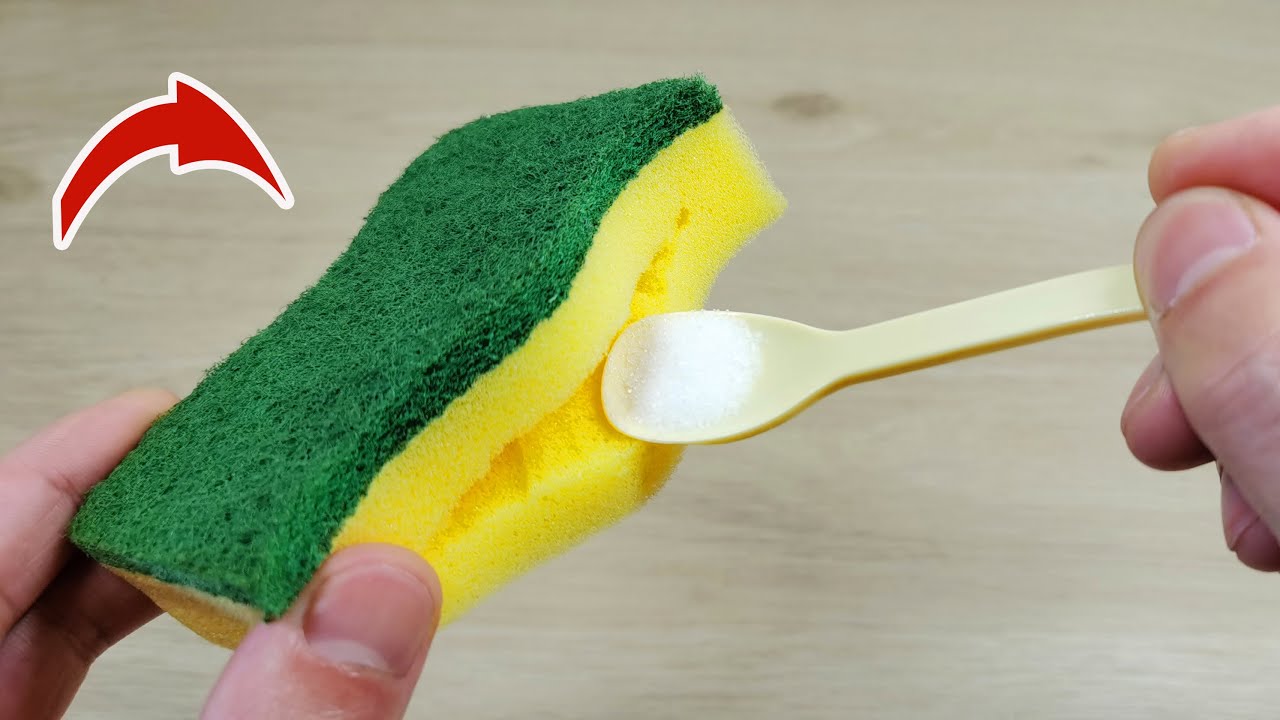
30 Years of Dish Sponge Secrets: Discover This Brilliant 1-Minute Hack!
30 Years of Dish Sponge Secrets: Discover This Brilliant 1-Minute Hack!
Introduction
Have you ever noticed how quickly your dish sponge can become a breeding ground for bacteria? A damp sponge left in the kitchen can lead to unpleasant odors and potential health risks. Every time you reach for it, you may feel concerned about what you’re using to clean your dishes. While many people simply replace sponges, there are effective ways to maintain them and extend their life. In this guide, you’ll uncover practical methods to keep your sponges clean and fresh, so you can make the most of your kitchen essentials.
Understanding Dish Sponges
Dish sponges are an essential tool in your kitchen, but they come with their own set of challenges. Here’s what you should know about their maintenance and hygiene:
1. Types of Dish Sponges
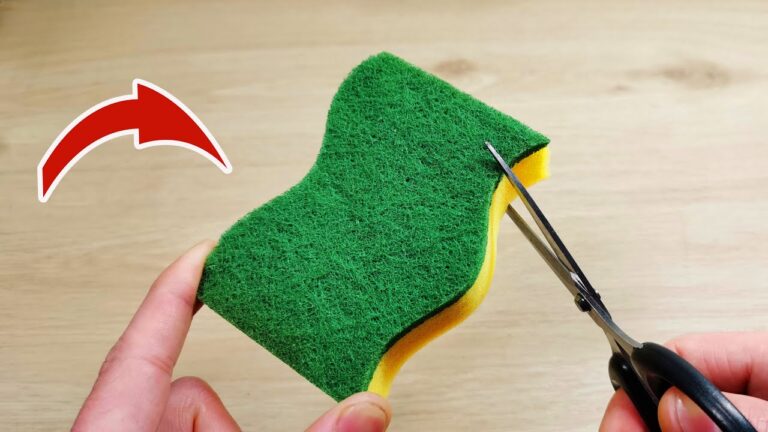
- Cellulose sponges: Made from wood pulp, they are biodegradable and effective for absorbing spills.
- Polyurethane sponges: These are synthetic, long-lasting, and good for scrubbing.
- Mesh sponges: These often have a scrubbing surface and are excellent for tougher grime.
2. Importance of Regular Cleaning
Cleaning your sponge isn’t just about keeping it fresh; it significantly impacts health. Regularly sanitizing minimizes bacterial growth and helps your sponge last longer.
3. Signs of a Worn-Out Sponge
Keep an eye out for signs that indicate it’s time to replace your sponge:
- Strong odors
- Visible wear and tear
- An uneven texture or consistency
The Brilliant Hack
Maintaining your dish sponge can be simple with the right techniques. Here’s a remarkable hack that takes less than a minute:
1. Materials You’ll Need
- A microwave-safe bowl
- Water
- Your dirty sponge
2. Step-by-Step Process
- Fill a microwave-safe bowl with water.
- Submerge your sponge in the water completely.
- Microwave the bowl for two minutes on high. Ensure the sponge is wet to avoid any fire hazards.
- Remove the bowl and allow your sponge to cool before taking it out.
3. Benefits of This Method
Microwaving your sponge helps to:
- Eliminate up to 99% of bacteria and viruses.
- Keep your sponge fresh and odor-free.
- Prolong the lifespan of your sponge significantly.
Mistakes to Avoid
While caring for your dish sponge, it’s vital to steer clear of common pitfalls:
1. Not Wringing Out Your Sponge
After each use, failing to wring out excess water can lead to a buildup of bacteria. Make it a habit to squeeze it dry.
2. Ignoring Scrubbing Surfaces
Using the abrasive side of your sponge for too long can wear it down quickly. Alternate sides during use to distribute wear evenly.
3. Forgetting to Replace Regularly
Even with regular cleaning, sponges will eventually wear out. Aim to replace them every few weeks for optimal hygiene.
FAQ
How often should I clean my dish sponge?
Cleaning your dish sponge once a week is ideal to keep it fresh and bacterial-free. Adjust based on usage for best results.
Can I use vinegar instead of microwaving?
Yes, soaking your sponge in a vinegar solution can also sanitize it, but microwaving is generally more effective at killing germs.
Is it safe to use the same sponge for dishes and surfaces?
It’s best to have separate sponges for dishes and kitchen surfaces to prevent cross-contamination. Choose different colors for easy identification.
Conclusion
Proper care for your dish sponge can significantly improve your kitchen hygiene. By implementing the simple hack of microwaving, you can prolong its lifespan and keep your dishes safe. How do you keep your sponges clean? Share your tips in the comments below!