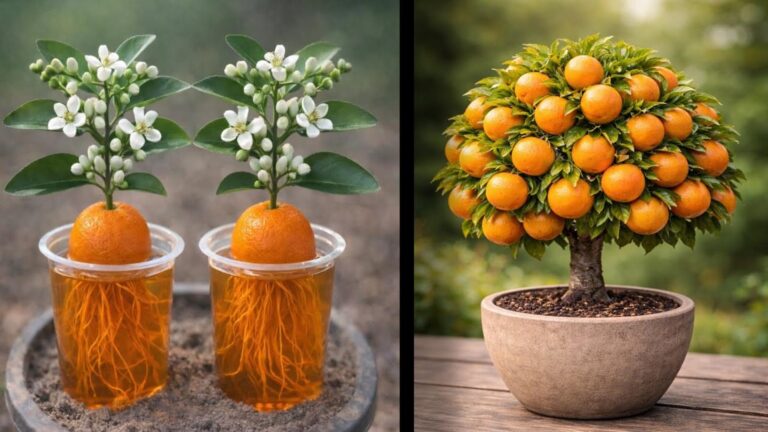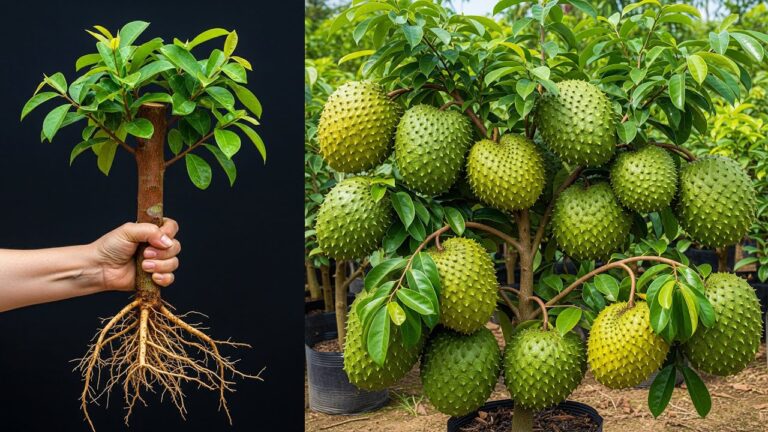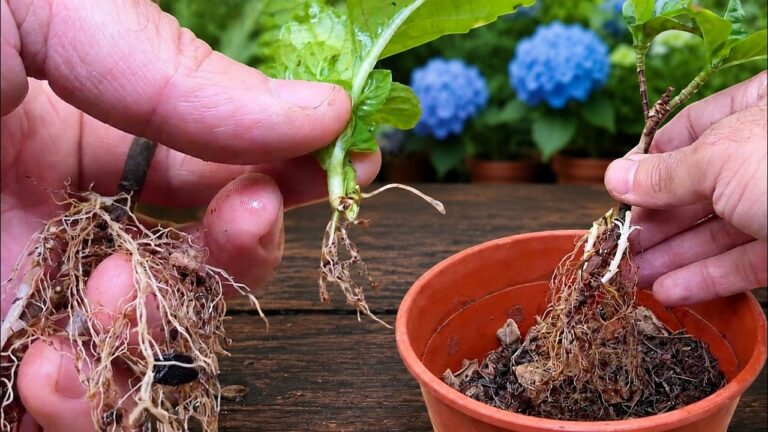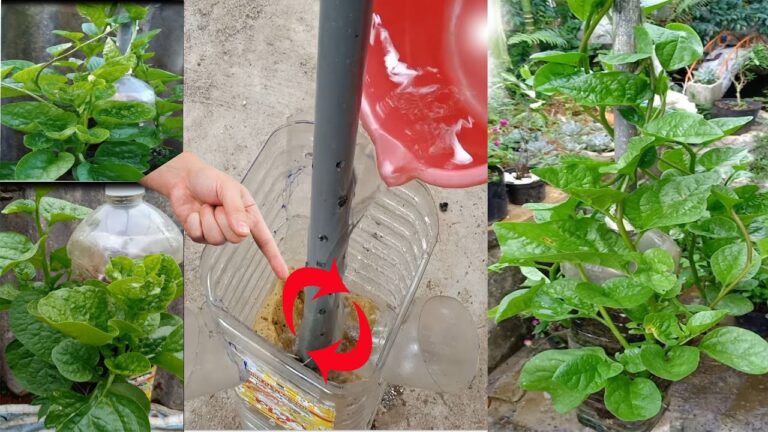
5 Easy Steps to Root Any Plant Cuttings for Free! Discover the Secrets Now!
5 Easy Steps to Root Any Plant Cuttings for Free
- Introduction
- Step-by-Step Guide to Rooting Plant Cuttings
- Best Plants for Cuttings
- Common Mistakes to Avoid
- FAQ
- Conclusion
Introduction
Have you ever been drawn to a beautiful plant in a friend’s home or a local nursery, only to feel hesitant about the price tag associated with it? The urge to bring greenery into your space can sometimes feel overwhelming, especially when you’re on a budget. But what if you could propagate your favorite plants without spending a dime? Rooting plant cuttings is not only satisfying but can also fill your home with lush greenery. Continue reading to discover how you can master this rewarding skill.
Step-by-Step Guide to Rooting Plant Cuttings
Rooting plant cuttings can seem like a daunting task, but with these simple steps, you can turn plant trimmings into thriving new plants while saving money.
1. Choose Your Cuttings
Select healthy stems from the parent plant. Look for firm, green stems without any signs of disease. Aim for cuttings that are around 4-6 inches long, and ensure they have at least one leaf node where roots can develop.
2. Prepare the Cuttings
After cutting, remove the lower leaves to avoid rot in the soil or water. Make a fresh cut at an angle just below a node using clean, sharp scissors. This encourages rapid root growth.
3. Decide on Rooting Method
You can root your cuttings in either soil or water. If you choose soil, prepare a pot with well-draining potting mix. For water rooting, use a clean glass jar or vase.
4. Submerge and Store
- Place the cuttings in the potting mix or water, ensuring the node is submerged.
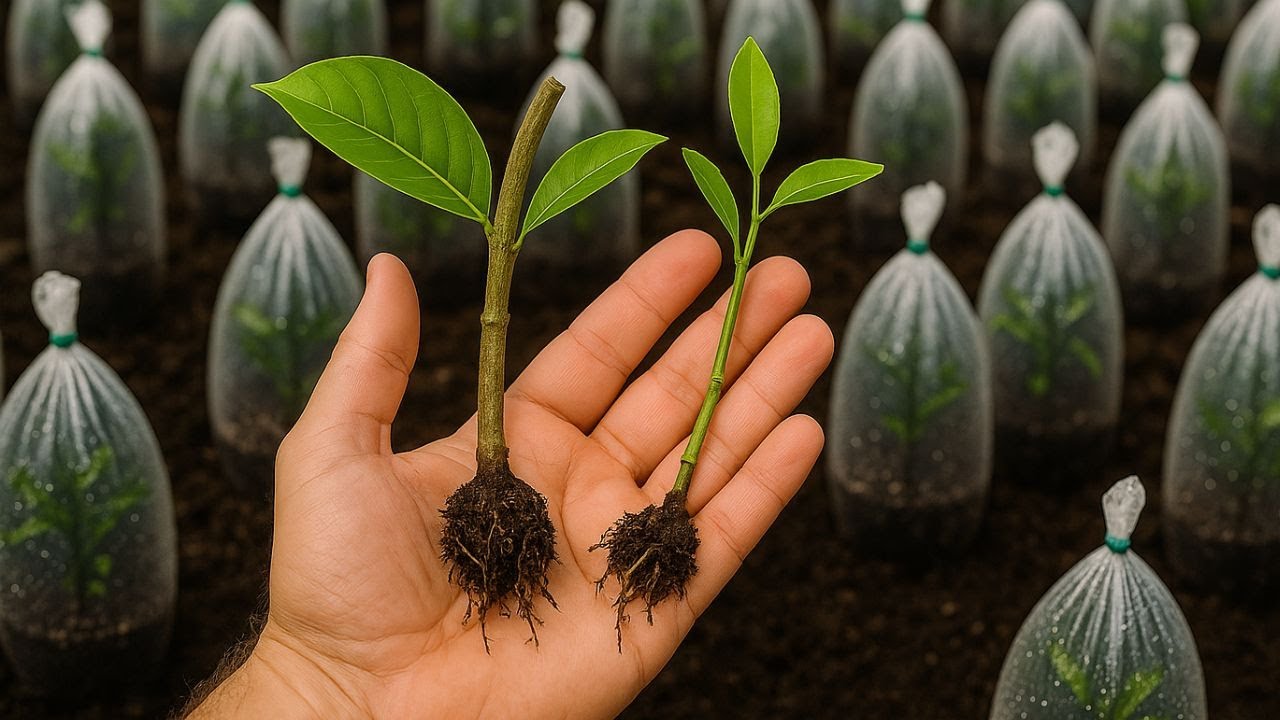
- Cover the cuttings with a plastic bag or a clear container to create a greenhouse effect for moisture.
- Keep them in a warm, bright area but out of direct sunlight.
5. Monitor and Wait
Check your cuttings regularly for moisture and keep the environment humid. After a few weeks, you should see new growth and roots forming. Once rooted, you can transition them to larger pots.
Best Plants for Cuttings
Some plants are particularly well-suited for propagation through cuttings. Here are a few favorites to consider for your new gardening adventure.
1. Herbs
- Basil, rosemary, and mint tend to root easily.
- Simply snip off a cutting, and follow the rooting steps!
2. Pothos
This resilient plant is perfect for beginners. Just take a stem cutting with one or two leaves and watch it grow.
3. Succulents
Many succulents can be propagated through leaf cuttings. Allow the cut end to callous over before placing it in soil.
4. Ficus
Ficus plants, like the rubber tree, can also reproduce from cuttings; just make sure to keep the humidity up.
Common Mistakes to Avoid
1. Using Infected Plants
Always take cuttings from healthy parent plants. Using infected plants can lead to disease transmission.
2. Overwatering
Too much moisture can cause rot. Ensure cuttings have well-draining conditions.
3. Cutting Too Long
Long cuttings may struggle to root effectively. Stick to the recommended length of 4-6 inches.
4. Ignoring Light Conditions
A bright, indirect light source is ideal; avoid placing cuttings in direct sunlight to prevent stress.
FAQ
Q: How long does it take for plant cuttings to root?
A: It typically takes 2-6 weeks for cuttings to develop roots, depending on the type of plant and conditions.
Q: Can I use honey as a rooting hormone?
A: Yes, honey has natural antibiotic properties that may help in rooting cuttings.
Q: Is it necessary to use rooting powder?
A: While rooting powder can help, many plants root just fine without it.
Conclusion
By following these straightforward steps, you can successfully root your plant cuttings and expand your indoor garden without spending money. Propagating plants not only saves you costs but also allows you to share your love for gardening with friends and family. What plant will you try propagating first? Share your experiences in the comments below!