5 Pro Tips to Fix Loose Wires Like an Electrician You Must Know!
5 Expert Tips to Fix Loose Wires Like an Electrician
- Common Causes of Loose Wires
- Tools Required for Repair
- Step-by-Step Instructions
- Mistakes to Avoid
- Frequently Asked Questions
Have you ever experienced the frustration of a flickering light or a device that just won’t power on? Loose wires can be the culprits behind these common electrical issues. Identifying and fixing them may seem daunting, but with a few straightforward tips, you can approach this task with confidence. Understanding the root cause of the problem is essential before diving into the repairs. Keep reading to learn how to handle those troublesome wires effectively.
Common Causes of Loose Wires
Before tackling loose wires, it’s important to recognize why they may have become loose in the first place. Here are some common factors:
1. Wear and Tear
Over time, electrical connections can degrade due to constant use or exposure to elements, leading to loosening.
2. Poor Initial Installation
If wires were not securely fastened when installed, they are more likely to loosen over time. This can often happen in older homes or in DIY projects.
3. Environmental Factors
Humidity, temperature fluctuations, and vibrations can contribute to wires coming loose, especially in areas with significant movement or temperature changes.
Tools Required for Repair
Having the right tools on hand can make a significant difference in fixing loose wires. Here’s a list of tools you will need:
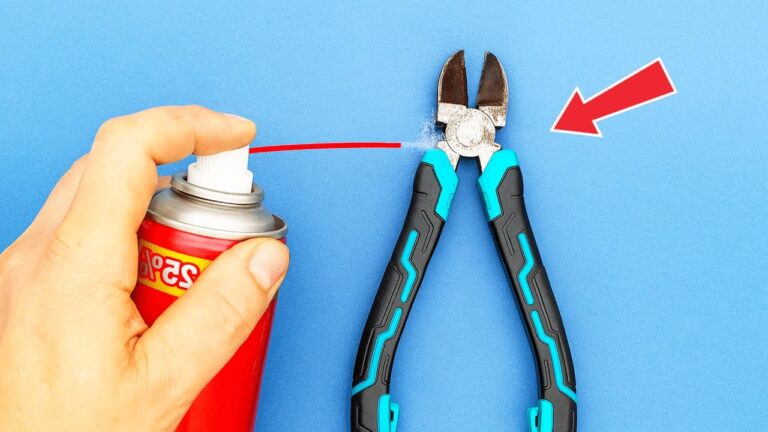
- Wire cutters: Essential for trimming damaged wires.
- Wire strippers: Useful for preparing wires for connections.
- Screw drivers: Necessary for tightening or removing any screws securing the wires.
- Electrical tape: Important for securing wire connections.
- Voltage tester: Helps ensure all electrical sources are off before starting any repair.
Step-by-Step Instructions
Now that you understand the common causes of loose wires and have gathered your tools, it’s time to get into the fix. Follow these simple steps:
1. Safety First
- Turn off power to the circuit you’ll be working on by switching off the circuit breaker.
- Test wires with a voltage tester to ensure no electrical current is flowing.
2. Inspect the Connections
Once safe, carefully inspect the connections to identify which wires are loose. Look for frayed wires or signs of corrosion, which may need replacement.
3. Re-secure the Wires
- Remove the wire connections and clean the surfaces if necessary.
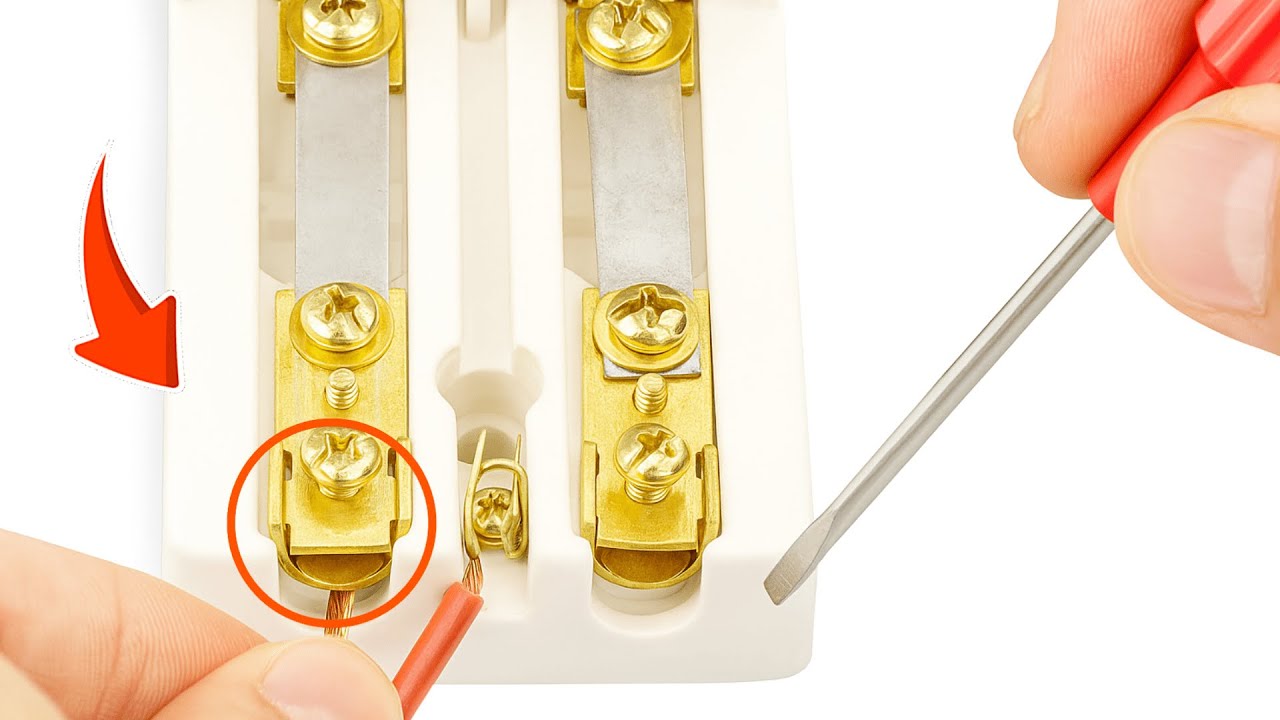
- Reattach the wires securely, ensuring they fit tightly into their terminals.
- Wrap with electrical tape to help minimize any future movement.
4. Restore Power and Test
- Switch on the circuit breaker and carefully observe if the connection holds.
- Test the devices or lights connected to ensure everything functions properly.
By following these steps, you can feel confident in addressing loose wire issues safely and effectively.
Mistakes to Avoid
While fixing loose wires, it’s important to be mindful of common pitfalls that can lead to mishaps:
- Ignoring safety precautions: Always ensure power is off before working with any electrical connections.
- Over-tightening connections: This can damage wires and lead to further issues.
- Using inappropriate materials: Ensure you use electrical-grade tape and connectors; non-electrical materials can create hazards.
- Neglecting to test after fixing: Always test to ensure that the issue is resolved before closing up.
Frequently Asked Questions
1. How do I know if I have loose wires?
Signs include flickering lights, appliances that don’t turn on, or outlets that feel warm to the touch.
2. Is it safe to fix loose wires myself?
As long as you follow safety protocols, turning off power and using the right tools, it can be safe. Always consult a professional if you feel unsure.
3. Can loose wires cause a fire?
Yes, loose wires can lead to arcing and overheating, which pose fire hazards. It’s important to address them promptly.
In summary, identifying and fixing loose wires can help restore functionality and safety to your electrical systems. Taking the time to understand the causes and follow necessary steps makes the process manageable. Do you have any personal experiences or additional tips about fixing electrical issues? Share in the comments below!