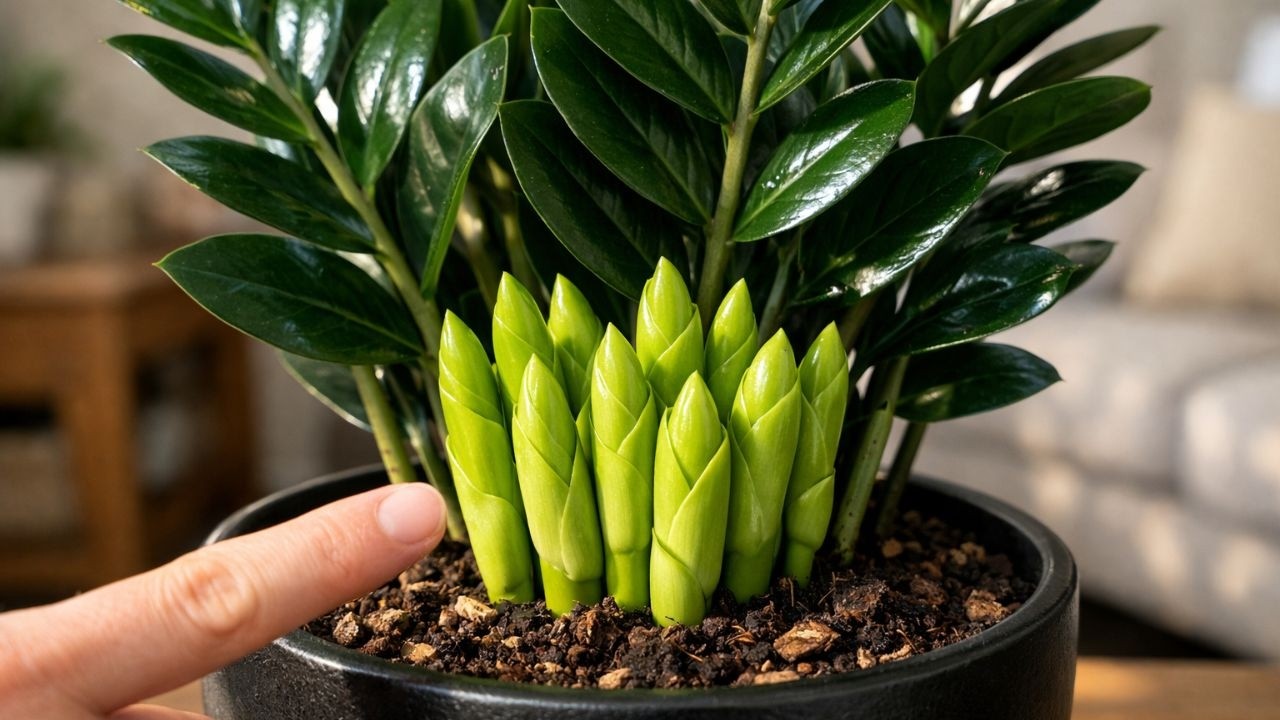
5 Secrets to Make Your Zamioculca Thrive with New, Shiny Leaves!
5 Secrets to Help Your Zamioculca Thrive with New, Shiny Leaves
- Introduction
- Ideal Conditions for Zamioculca
- Optimal Watering Techniques
- Nutrition and Fertilization Tips
- Common Mistakes to Avoid
- FAQ
- Conclusion
Introduction
You may find your Zamioculca not growing as vibrantly as you’d like. The leaves might look dull or sparse, leaving you wondering what could be wrong. This resilient plant can thrive, offering lush, shiny foliage if given the right conditions and care. In this article, you will uncover essential tips that support healthy growth and vibrant leaves. Read on to unlock the secrets to nurturing your Zamioculca.
Ideal Conditions for Zamioculca
To cultivate a thriving Zamioculca, start by establishing the right environment. This plant flourishes in specific conditions that mimic its native habitat.
1. Light Requirements
Your Zamioculca prefers bright, indirect sunlight. While it can adapt to lower light levels, insufficient light may stunt its growth. If your plant is too close to direct sunlight, it may develop brown tips on the leaves. Aim for a location where it can receive filtered light, such as near a window with sheer curtains.
2. Temperature Tolerance
This hardy plant enjoys a temperature range of 65°F to 80°F (18°C to 27°C). Ensure that it is protected from cold drafts and temperature fluctuations, as these can hinder its growth and health.
3. Humidity Levels
Zamioculca is adaptable to average household humidity. However, to encourage higher humidity around the plant, you may place it on a pebble tray filled with water or mist the leaves occasionally. This can support optimal growth and enhance leaf shine.
Optimal Watering Techniques
Watering is crucial for your Zamioculca’s health. The timing and method can make a significant difference.
1. Soil Moisture Check
Before watering, check the top inch of the soil. If it feels dry, it’s time to water. Overwatering can lead to root rot, so always err on the side of caution.
2. Watering Schedule
During the growing season (spring and summer), water more frequently—about every 2-3 weeks. In the dormant season (fall and winter), reduce watering to once a month. A schedule helps create consistent moisture levels, ensuring your plant thrives.
3. Water Quality
Using room-temperature, non-chlorinated water can make a difference. If your tap water contains chlorine or minerals, consider using distilled water or allowing tap water to sit out for 24 hours to dissipate chemicals.
Nutrition and Fertilization Tips
Feeding your Zamioculca correctly can promote growth and help create those shiny leaves.
1. Choosing Fertilizer
Opt for a balanced, diluted liquid fertilizer during the growing season. A formula with a ratio of 20-20-20 can work well. Keep the fertilizer concentration lower than recommended to avoid over-fertilizing.
2. Feeding Frequency
Feed your plant every 6-8 weeks during the spring and summer. Avoid fertilizing in the winter months when the plant is dormant, as it doesn’t require additional nutrients at that time.
3. Signs of Nutrient Deficiency
Watch for yellowing leaves, which can indicate a lack of nutrients. Adjust your feeding routine to remedy this issue, and ensure the plant is receiving adequate light as well.
Common Mistakes to Avoid
Even seasoned plant enthusiasts can trip up with Zamioculca care. Here are some common errors to steer clear of:
1. Overwatering
- One of the biggest mistakes is watering too frequently, leading to soggy soil and root rot. Always check for dryness before watering.
2. Ignoring Light Conditions
- Placing the plant in too much direct sunlight can scorch the leaves. Always provide bright, indirect light for the best results.
3. Neglecting to Repot
- Over time, your Zamioculca may outgrow its pot. Failing to repot can restrict growth, so check every couple of years.
FAQ
What is the ideal temperature for a Zamioculca?
The ideal temperature range for Zamioculca is between 65°F and 80°F (18°C to 27°C), avoiding cold drafts and sudden temperature changes.
How often should I fertilize my Zamioculca?
During the growing season, fertilize every 6-8 weeks with a balanced fertilizer, but refrain from fertilizing during the dormant winter months.
Why are my Zamioculca leaves turning yellow?
Yellowing leaves can indicate overwatering, nutrient deficiencies, or insufficient light. Evaluate your care routine to address the issue.
Conclusion
By following these essential tips, you can create an environment that encourages your Zamioculca to thrive, showcasing its beautiful, shiny leaves. What has been your experience with caring for this plant? Feel free to share your thoughts in the comments below!