5 Surprising Effects of Crying You Didn’t Know About! Discover Now! 💧✨
5 Surprising Effects of Crying You Didn’t Know About
- Introduction
- Emotional Benefits of Crying
- Physical Effects You Might Experience
- Social Aspects of Crying
- Common Misconceptions About Crying
- FAQ
- Conclusion
Introduction
You might find yourself in a moment where the tears flow unexpectedly, perhaps during a touching movie scene or after a heartfelt conversation with a friend. Crying, often seen merely as a sign of sadness or vulnerability, has effects that many may overlook. It can inform personal growth, support social bonds, and even enhance physical well-being. Understanding the surprising effects of crying can provide a new perspective on this common emotional response. Let’s dive deeper into what happens when you allow those tears to fall.
Emotional Benefits of Crying
Crying isn’t just a release of emotions; it can serve various beneficial purposes. Here are some emotional advantages that might change how you perceive your tears:
1. Facilitates Emotional Release
- Recognize when emotions are building up inside you.
- Allow yourself to express those feelings through tears.
- Experience a sense of relief and peace after crying.
Crying is often a natural way to process intense feelings, whether they stem from grief, frustration, or overwhelming joy.
2. Boosts Mood
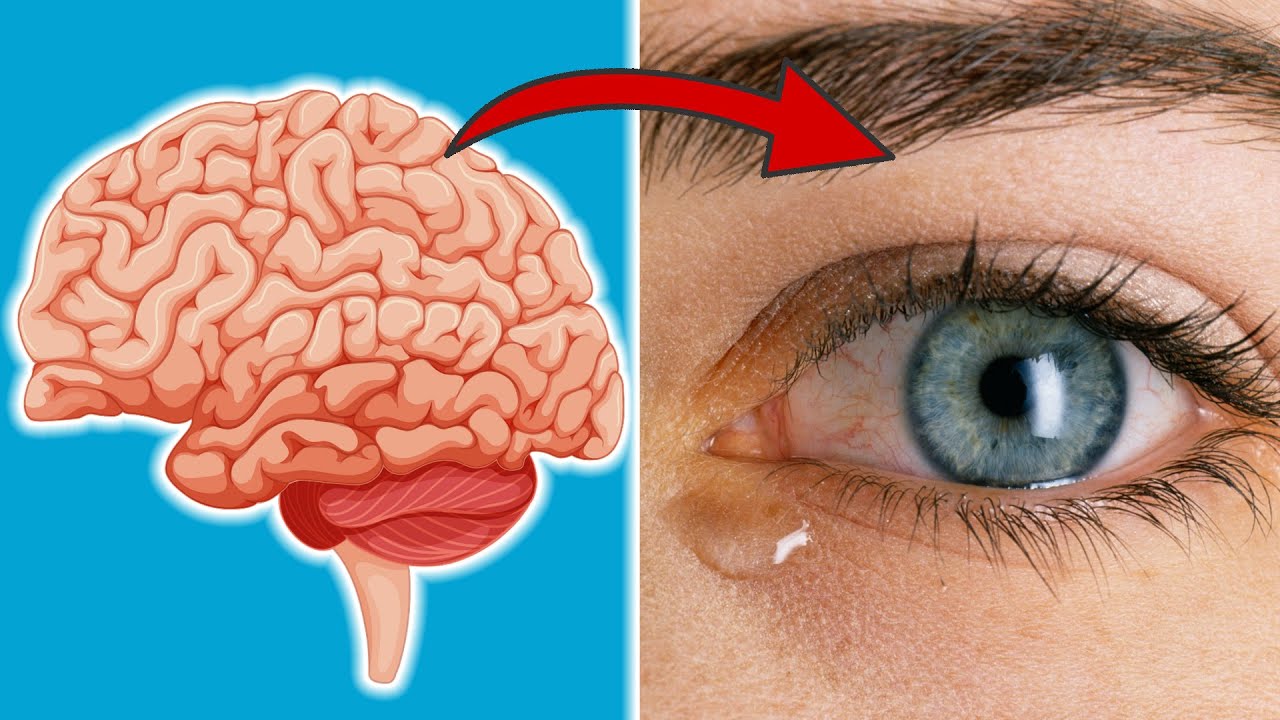
Many people report that crying can elevate their mood afterward. Why does this happen? When you cry, your body releases stress hormones, helping you feel lighter. This can be a natural method to improve your emotional landscape.
3. Strengthens Self-Connection
Allowing yourself to cry helps you connect with your inner self. Instead of suppressing emotions, embracing tears can foster a deeper understanding of your personal struggles and triumphs.
Physical Effects You Might Experience
The benefits of crying extend beyond the emotional realm and can significantly impact your physical well-being. Here are some noteworthy physical effects:
1. Alleviates Stress
Crying can lower cortisol levels, the hormone associated with stress. By shedding tears, you can effectively help your body regain balance, leading to relaxation and peace.
2. Improves Sleep
After a good cry, many people find it easier to drift into sleep. This is due to the calming effect tears have on the nervous system, paving the way for better rest.
3. Acts as a Pain Relief
Interestingly, crying releases endorphins, the body’s natural painkillers. This effect can help alleviate both physical and emotional pain, making tears a natural analgesic in tough moments.
Social Aspects of Crying
Your tears can build connections and enhance your social interactions. Here are some social effects to consider:
1. Encourages Empathy from Others
Crying can signal to those around you that you are experiencing distress, often provoking empathy and support. This shared experience can strengthen relationships and foster compassion.
2. Normalizes Vulnerability
By embracing the act of crying, you normalize vulnerability within yourself and others. This openness can lead to deeper relationships and a more supportive community.
3. Influences Group Dynamics
Crying in a group setting can evoke shared emotional responses, uniting people in ways that words often cannot. Being openly emotional can lead to a greater sense of belonging.
Common Misconceptions About Crying
Despite its many benefits, there are several misconceptions about crying that can misguide you. Here are some common mistakes to avoid:
1. Viewing Crying as a Sign of Weakness
Crying is often seen as a sign of weakness, but it’s actually a natural response that reflects strength and emotional intelligence.
2. Suppressing Tears
Many believe that holding back tears is a sign of strength, but this can lead to emotional build-up and stress. Allowing yourself to cry is healthy.
3. Assuming Crying is Only for Sadness
Crying can be a reaction to various emotions, including joy, frustration, or even relief. It’s essential to recognize that tears can emerge from many experiences.
FAQ
What are the emotional effects of crying?
Crying can facilitate emotional release, boost mood, and strengthen self-connection, offering various therapeutic benefits.
Can crying actually improve physical health?
Yes, crying can alleviate stress and improve sleep, while also acting as a natural pain relief by releasing endorphins.
Is crying in public okay?
Crying in public can be normal and indicates vulnerability. It often elicits empathy from others and can strengthen social bonds.
Conclusion
The surprising effects of crying reveal how tears can be a powerful tool for emotional, physical, and social well-being. By understanding and embracing this natural response, you create opportunities for growth and connection. How do you feel about crying and its role in your life? Share your thoughts in the comments below.