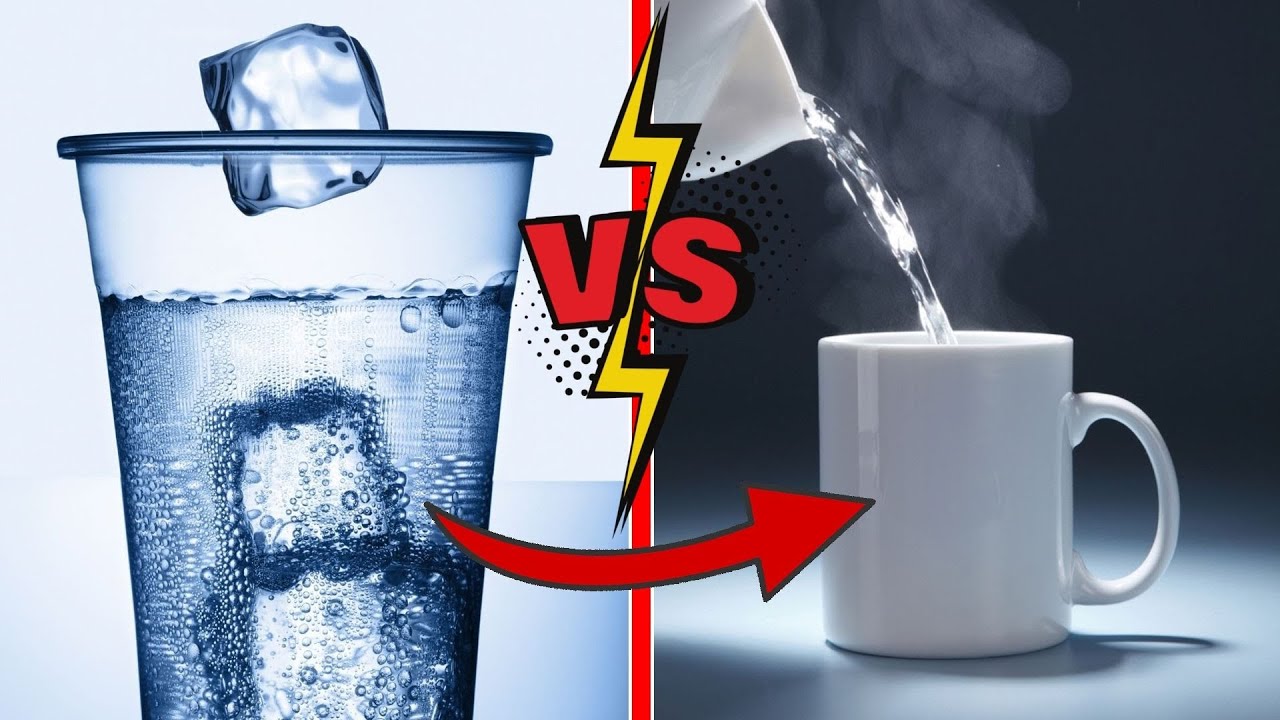
5 Surprising Reasons Cold Water Might Be Bad for Your Health
5 Surprising Reasons Cold Water Might Be Bad for Your Health
- Introduction
- Effects on Digestive Health
- Impact on Body Temperature Regulation
- Influence on Circulation
- Effects on Muscle Function
- Common Mistakes to Avoid
- FAQ
- Conclusion
Introduction
After a long day, you might find yourself reaching for a cold glass of water to quench your thirst. While it feels refreshing at the moment, you may not realize that cold water can have some unexpected downsides for your health. Cooling your body from the inside can lead to various issues, impacting everything from digestion to circulation. Understanding these effects might change how you approach hydration. Let’s delve into the surprising reasons why choosing cold water might not be the best option for your well-being.
Effects on Digestive Health
Many people enjoy a cold drink with their meals, but it can disrupt your digestive health in several ways.
1. Impairs Digestion
Cold water can solidify fats in your food, making it harder for your body to break them down. This can lead to sluggish digestion and discomfort.
2. Reduces Enzyme Activity
Your body relies on enzymes to aid digestion. When you consume cold water, it can slow down the production of these enzymes, further complicating digestion.
3. Upsets Stomach Function
A sudden drop in stomach temperature from cold water can shock your system, potentially leading to cramping and bloating. It’s better to opt for room-temperature water to help keep your digestive process smooth.
Impact on Body Temperature Regulation
Staying hydrated is essential for maintaining your core body temperature, but cold water can interfere with this process.
1. Causes Rapid Cooling
Drinking cold water causes your core temperature to drop, requiring your body to expend energy to warm back up. This can be especially taxing in cold weather.
2. Weakens Thermoregulatory Responses
Over time, frequent consumption of cold drinks could weaken your body’s natural ability to regulate temperature, leading to issues such as overheating in hot environments.
3. Influences Blood Flow
Cold water consumption can lead to constricted blood vessels, which changes your thermoregulatory mechanisms. Instead, try drinking warm herbal teas or hot water infused with lemon.
Influence on Circulation
Cold water can also have an impact on your circulation, which plays a crucial role in your overall health.
1. Hinders Blood Flow
When you drink something ice-cold, your blood vessels constrict, which can temporarily reduce blood flow to vital organs. This can affect overall health, especially if experienced regularly.
2. Affects Nutrient Distribution
Poor circulation can impede your body’s ability to distribute essential nutrients effectively. This especially impacts muscle recovery and repair processes.
3. Can Lead to Fatigue
Inconsistent blood flow can create feelings of fatigue. Focusing on room temperature or warm water can help maintain steady circulation and energy levels.
Effects on Muscle Function
Your muscles play a key role in your daily activities, and cold water can negatively impact their function.
1. Causes Muscle Tightness
Cold water can lead to tighter muscles, making them more prone to strains or injuries. If you’re working out, stick to room temperature water instead for better hydration of your muscles.
2. Slow Recovery Times
If you’ve had an intense workout, drinking cold water may lengthen your recovery time. Warm liquids can help in the replenishment of nutrients and hydration.
3. Impacts Performance
Staying adequately hydrated is essential for athletic performance. Cold water may hinder your body’s response during physical activities, leading to decreased strength and endurance.
Common Mistakes to Avoid
Although it’s easy to overlook, there are several pitfalls to watch out for when it comes to drinking cold water.
- Overdoing cold drinks: Consuming only cold beverages can strain your digestive system.
- Drinking while eating: It’s advisable to avoid cold drinks during meals, as they can hinder digestion.
- Neglecting room-temperature options: Don’t forget to incorporate room-temp liquids into your routine.
FAQ
Is warm water better than cold water?
Warm water can aid digestion, improve circulation, and prevent discomfort, making it a preferable choice for many.
Can cold water cause stomach cramps?
Yes, consuming cold water can result in stomach cramps, as it may shock your digestive system.
What is the best temperature for drinking water?
Room temperature or slightly warm water is generally the best for digestion and overall comfort.
Conclusion
While cold water can feel refreshing, it’s important to consider its potential drawbacks. Room temperature or warm water is often better for digestion, circulation, and muscle function. Have you experienced any negative effects from drinking cold water? Share your thoughts in the comments!