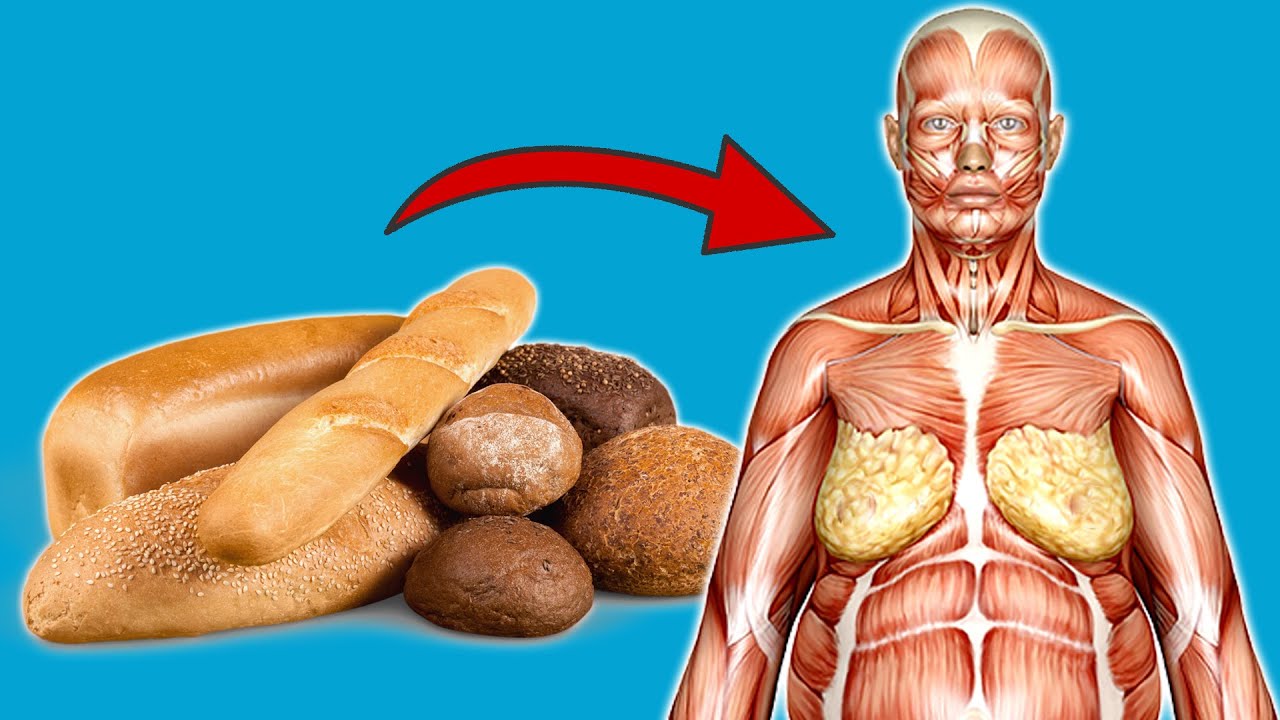
6 Signs You’re Eating Too Much Bread—Stop Before It’s Too Late!
6 Signs You’re Eating Too Much Bread—Stop Before It’s Too Late
- Common Signs of Excessive Bread Consumption
- Impact of Too Much Bread on Health
- Practical Tips for Reducing Bread Intake
- Mistakes to Avoid
- FAQ
Common Signs of Excessive Bread Consumption
If you’ve noticed your clothes fitting a bit tighter or a general sense of lethargy setting in, you might be consuming more bread than your body needs. Bread is a common staple in many diets, but too much can lead to noticeable symptoms. Understanding these signs can help you reassess your dietary habits. Let’s explore some of the key indicators that you might be enjoying too much bread.
1. Unexplained Weight Gain
One of the most apparent signs is unexpected weight gain. If you find that your scale is tipping up despite no other changes in your lifestyle, evaluating your bread intake may be in order. Here are some points to consider:
- Check the types of bread you consume; whole grain is healthier than white.
- Be aware of portion sizes; even healthier breads can add up.
2. Digestive Discomfort
Another clue is experiencing digestive issues such as bloating or constipation. Bread, especially white varieties, can be low in fiber. If you’re feeling more uncomfortable after meals, it could be linked to how much bread you’re eating. Consider these tips:
- Increase your intake of vegetables and fruits for fiber.
- Try whole grain bread for added fiber benefits.
Impact of Too Much Bread on Health
Overconsumption of bread can lead to various health challenges. It’s key to understand these impacts so you can make informed choices about your diet.
1. Blood Sugar Spikes
White bread and other refined carbohydrates can lead to rapid spikes in blood sugar levels. This can cause energy crashes and cravings shortly after. To manage this:
- Choose whole grain options to ensure a stable release of energy.
- Pair bread with protein or healthy fats to slow digestion.
2. Nutritional Imbalance
Focusing too heavily on bread can lead to a nutritional imbalance. Bread often lacks essential vitamins and minerals. Here’s what you can do:
- Focus on incorporating a variety of food groups into your meals.
- Add sources of protein and healthy fats to your diet.
Practical Tips for Reducing Bread Intake
If you recognize these signs and impacts, you may want to cut back on bread. Here are some practical tips to help you make the switch.
1. Substitute Wisely
Instead of reaching for bread, consider alternatives such as:
- Leafy greens for wraps (like lettuce or collard greens).
- Quinoa or brown rice as a base for meals.
2. Mindful Eating
Practicing mindful eating can significantly help in controlling your bread consumption. Offer these strategies:
- Slow down your eating pace to better recognize fullness.
- Log your meals to identify patterns and adjust accordingly.
Mistakes to Avoid
When looking to reduce bread intake, it’s important to avoid common pitfalls that can hinder progress.
1. Skipping Meals
Some people may skip meals to offset bread consumption, which can backfire. Instead:
- Opt for balanced meals instead of omitting them entirely.
2. Switching to Gluten-Free Bread
Just because a bread is gluten-free doesn’t mean it’s healthier. Many gluten-free options are still high in sugars and low in nutrients. Consider:
- Choosing whole, unprocessed foods over gluten-free bread.
3. Not Reading Labels
Failing to check labels can lead to consuming more sugar and preservatives than intended. Take time to:
- Read ingredient lists carefully to make informed choices.
FAQ
1. What are the healthier alternatives to bread?
Healthier options include whole grains, vegetables, or even fruits used as wraps. Consider quinoa or brown rice as nutritious bases for meals.
2. How can I reduce cravings for bread?
Incorporating more protein and fiber-rich foods into your diet can help keep you fuller longer, reducing cravings for bread and other carbs.
3. Is it bad to eat bread every day?
Eating bread daily isn’t necessarily bad, but moderation and the type of bread consumed are key. Opt for whole grain varieties when possible.
Conclusion
Recognizing the signs of overconsumption is crucial for maintaining a balanced diet. By adjusting your habits and being mindful of your bread intake, you can improve your overall health. What strategies have you found helpful for managing your bread consumption?