7 Essential Household Repair Tips You Wish You Knew Before Starting
Essential Household Repair Tips You Should Know
- Common Repairs Made Easy
- Tools and Supplies You’ll Need
- Step-by-Step Repair Guides
- Common Mistakes to Avoid
- Frequently Asked Questions
Common Repairs Made Easy
Every homeowner eventually encounters issues that require quick fixes, such as leaky faucets or squeaky doors. Understanding these common household repairs can save you time and money while boosting your confidence in DIY projects. The idea of tackling repairs can sometimes seem overwhelming, but knowing where to start can make all the difference. Let’s explore some of the simplest repairs you can easily learn to handle.
1. Fixing a Leaky Faucet
One of the most common household issues is a leaky faucet, which can waste gallons of water. To address this:
- Turn off the water supply under the sink.
- Remove the faucet handle with a screwdriver.
- Inspect the washer or O-ring for wear and replace if necessary.
- Reassemble the faucet and turn the water supply back on.
2. Repairing Squeaky Doors
Squeaky doors are annoying, but fixing them is straightforward:
- Identify the area where the squeak occurs.
- Apply a few drops of lubricant, such as WD-40, directly onto the hinges.
- Open and close the door several times to work in the lubricant.
Tools and Supplies You’ll Need
Having the right tools and supplies on hand makes household repairs much easier. Here are some essentials you should keep in your toolkit:
- Adjustable Wrench — Great for plumbing fixes and tightening bolts.
- Screwdriver Set — A variety allows you to work on different types of screws.
- Utility Knife — Useful for cutting materials and removing old caulk.
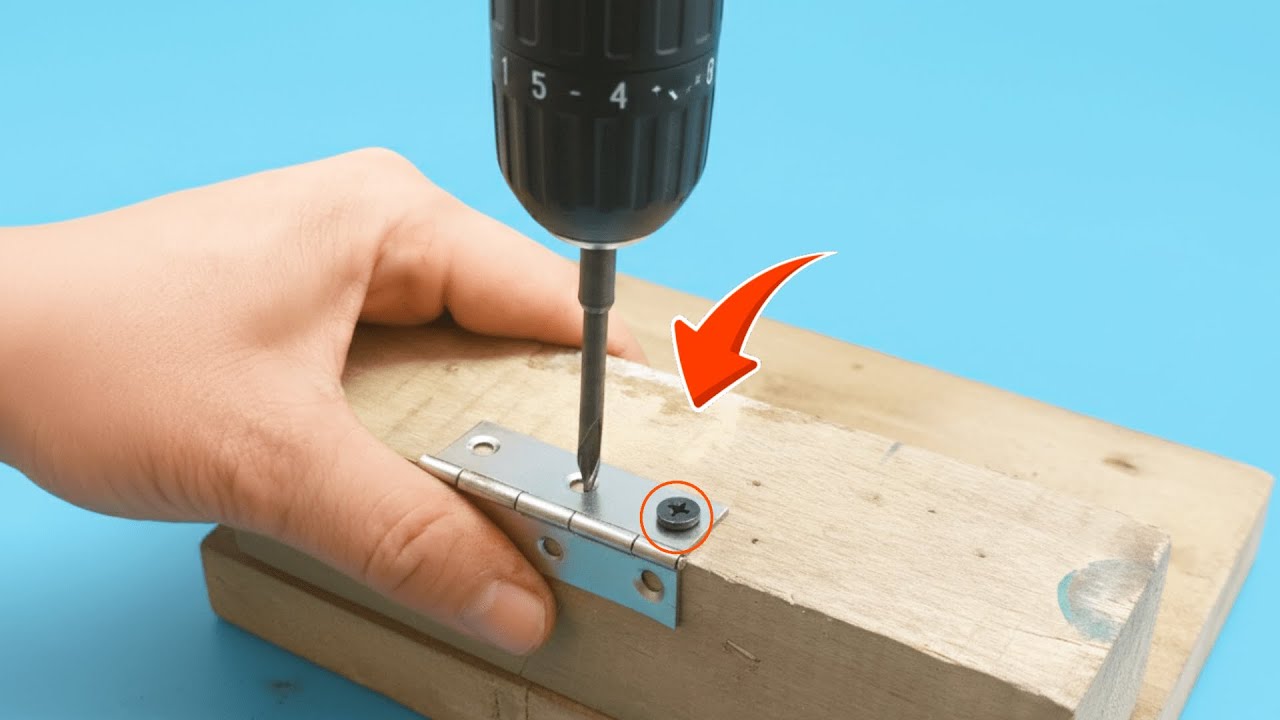
- Drill — Essential for hanging shelves or assembling furniture.
- Plumber’s Tape — Helps in sealing threaded joints to prevent leaks.
Step-by-Step Repair Guides
1. How to Patch a Hole in Drywall
If you have a small hole in your drywall, follow these steps:
- Cut a square around the hole to create a clean edge.
- Insert a wall repair patch or self-adhesive mesh.
- Apply joint compound over the patch and smooth it out.
- Sand once dry, and paint to match your wall.
2. Unclogging a Drain
Clogs are common, but many can be cleared quickly:
- Boil water and carefully pour it down the drain.
- Add baking soda followed by vinegar for a natural cleaning reaction.
- Let it sit for 30 minutes and rinse with hot water.
Common Mistakes to Avoid
While handling household repairs, it’s important to avoid certain pitfalls:
- Ignoring safety precautions like wearing gloves and goggles can lead to injuries.
- Forgetting to turn off water supplies can create bigger messes when fixing leaks.
- Rushing through repairs often results in missed steps and recurring issues.
- Neglecting to read instructions can lead to improper assembly or ineffective repairs.
- Overloading electrical outlets can cause dangerous situations — always check specifications.
Frequently Asked Questions
What tools do I need for household repairs?
Essential tools include an adjustable wrench, a screwdriver set, a utility knife, a drill, and plumber’s tape. Having these in your toolkit can help you handle most repairs efficiently.
Can I repair drywall myself?
Yes, patching drywall is a simple DIY task. Just follow the steps for cutting, patching, applying compound, and painting for a seamless finish.
How do I unclog a sink naturally?
You can use boiling water, baking soda, and vinegar to create a natural unclogging solution. This method is effective and often eliminates minor clogs without chemicals.
Conclusion
Taking the time to learn essential household repair tips can empower you to tackle minor issues with ease. With practice and the right approach, you’ll feel more self-sufficient at home. What repairs have you taken on yourself, and what tips would you add?