
7 Must-Have Foods to Eat When You’re Sick to Boost Your Recovery💪
7 Essential Foods to Eat When You’re Sick for Optimal Recovery
- Hearty Broths
- Bright Fruits
- Wholesome Grains
- Nutritious Vegetables
- Immune-Boosting Proteins
- Common Mistakes
- FAQ
Hearty Broths
When you’re under the weather, a warm bowl of broth can be incredibly comforting. Not only does it hydrate, but it also nourishes the body. Broths can be made from bones or vegetables, and each offers unique benefits.
Benefits of Broth
Broth is rich in nutrients and is easy on your stomach. It offers hydration and electrolytes if you’re struggling to keep food down. Bone broth is especially beneficial due to its high collagen content, which aids in recovery.
How to Make Homemade Broth
- Gather your ingredients: bones (preferably from organic chickens or beef) or assorted vegetables like carrots and celery.
- Add water to cover, along with herbs like thyme or parsley for flavor.
- Simmer on low heat for several hours — the longer, the better!
Bright Fruits
Fruits packed with vitamins and antioxidants can help bolster your immune system. Citrus fruits, berries, and bananas are wonderful choices to incorporate into your diet while recovering from illness.
Vitamin C Powerhouses
Citrus fruits like oranges and grapefruits are high in vitamin C, a known immune booster. Consuming these can help reduce the duration of colds or infections.
How to Enjoy Fruits
- Make a refreshing fruit salad with citrus and berries.
- Blend them into smoothies to make them easier to consume.
- Snack on banana slices with a drizzle of honey for extra energy.
Wholesome Grains
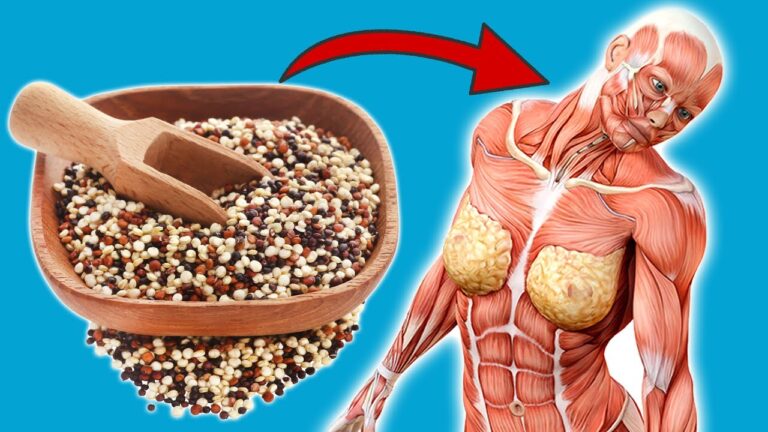
Whole grains offer essential nutrients and can provide the energy your body needs to recover. Consider adding oats, brown rice, or quinoa to your meals.
Benefits of Whole Grains
Whole grains are good sources of fiber, which helps maintain gut health. They provide sustained energy, making them ideal when you’re feeling sluggish.
Preparation Tips
- Cook oats with milk or water for a warm breakfast.
- Pair cooked quinoa with veggies for a flavorful salad.
- Add brown rice to your broth for a hearty soup.
Nutritious Vegetables
Vegetables not only provide vitamins and minerals essential for recovery, but they also add color and variety to your meals. Carrots, spinach, and garlic are particularly beneficial.
Immune-Boosting Vegetables
Garlic is known for its antiviral and antibacterial properties, while leafy greens like spinach are loaded with nutrients that can strengthen your immune response.
Ways to Include Vegetables
- Incorporate spinach into Omelets for a nutritious breakfast.
- Roast carrots with olive oil for a simple side dish.
- Add garlic to your broth for enhanced flavor and benefits.
Immune-Boosting Proteins
Protein is vital for your body’s healing process. Lean meats, fish, and legumes help repair tissues and support immune function when you’re unwell.
Protein-Rich Options
Chicken and turkey provide high-quality protein and are easy to digest when cooked well. Legumes like lentils are also an excellent plant-based protein source that can be consumed in soups.
Cooking Suggestions
- Boil chicken breasts for a simple, easy-to-digest protein source.
- Make lentil soup flavored with spices for nourishment.
- Grill fish with herbs for a healthy dinner option.
Common Mistakes
While focusing on your diet during sickness is crucial, there are a few common mistakes to avoid in your food choices.
Mistake #1: Relying solely on sugary foods—while they may provide temporary energy, they can suppress your immune system.
Mistake #2: Underestimating hydration—failing to drink enough water can hinder your recovery.
Mistake #3: Ignoring dietary variety—sticking to just a few foods can limit the nutrients your body needs.
FAQ
What foods should I avoid when I’m sick? It’s best to steer clear of sugary, processed foods and anything too heavy or greasy, as they can be hard on your stomach and weaken your immune response.
How can I boost my immune system? Focus on a balanced diet rich in fruits, vegetables, whole grains, and lean proteins, while staying well-hydrated and getting adequate rest.
Is it okay to eat dairy when I’m sick? This depends on your body; some people may find dairy irritating, while others may not. Listen to your body and choose what feels best for you.
Conclusion
Eating a balanced diet of essential foods to eat when you’re sick can significantly aid in your recovery. Be mindful of your choices and ensure you’re giving your body the nutrients it needs.
What are your go-to foods when you’re not feeling well? Share your thoughts in the comments!