7 Shocking Effects of Eating Too Much Turmeric You Need to Know!
7 Important Effects of Eating Too Much Turmeric You Need to Know
- Introduction
- Effect on Digestion
- Impact on Blood Pressure
- Risk of Allergic Reactions
- Common Mistakes
- FAQ
- Conclusion
Introduction
If you’ve recently embraced turmeric as a wellness powerhouse, you might have noticed its vibrant yellow hue gracing your dishes and smoothies. While this spice offers various health benefits, consuming it in excess can lead to unexpected consequences. Many are unaware that overindulgence can result in discomfort and adverse effects. As you explore the depths of this golden spice, it’s essential to understand both the benefits and the hidden risks that come with consuming too much turmeric. Continue reading to discover what you should keep in mind.
Effect on Digestion
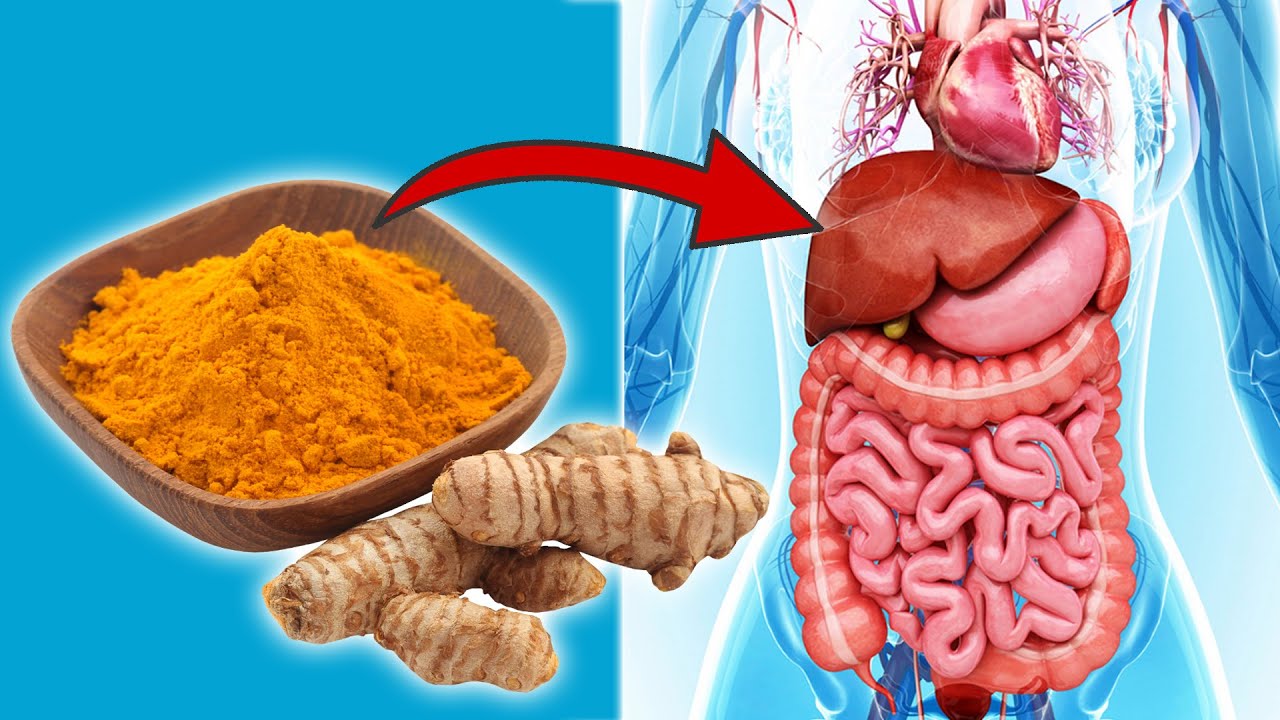
One of the primary areas where turmeric can influence your body is in your digestive system. While it aids digestion in moderate amounts, too much can lead to complications.
1. Upset Stomach
Excessive turmeric consumption may result in an upset stomach for many people. The spice can be irritating when consumed in large quantities, which might lead to discomfort, such as bloating or gas.
2. Nausea and Diarrhea
Another common issue associated with overconsumption is nausea. If you consume too much turmeric, you may also experience diarrhea, which can be both uncomfortable and inconvenient.
3. Advice for Moderation
To avoid these digestive problems, aim to incorporate turmeric into your meals in moderation. A teaspoon or two daily is usually adequate for most people.
Impact on Blood Pressure
Turmeric is well-regarded for its potential to lower blood pressure. However, when taken excessively, the opposite effect can occur.
1. Blood Pressure Drops
Excessive turmeric can lead to a significant drop in blood pressure levels. This may cause dizziness or light-headedness, particularly for those already on medication for hypertension.
2. Monitoring Your Levels
It’s essential to monitor your blood pressure if you consume high amounts of turmeric. Make sure to consult with your healthcare provider if you have concerns about interactions with medications.
3. Proper Dosage
Stay within recommended limits to avoid the risk of drastically low blood pressure. Regularly check your levels, and speak with your doctor if you’re considering increasing your turmeric intake.
Risk of Allergic Reactions
While turmeric is typically safe for most people, some may experience allergic reactions if they consume it in large amounts.
1. Skin Reactions
Some individuals may develop skin rashes or irritation if they have a sensitivity to turmeric. This can happen when ingesting it or using it topically in excess.
2. Other Reactions
Other potential allergies might include respiratory issues or gastrointestinal distress. If you suspect an allergy, reducing your turmeric intake is advisable.
3. Documenting Reactions
Keep a log of any adverse reactions after consuming turmeric and consult a healthcare provider for any persistent issues. This will help you understand your limits better.
Common Mistakes
When incorporating turmeric into your diet, it’s easy to make some common mistakes that can lead to unpleasant effects.
1. Ignoring Dosage Recommendations
One of the most frequent mistakes is consuming much more than the recommended amount. Always adhere to suggested servings.
2. Homemade Remedies
When creating homemade remedies with turmeric, be careful not to combine it with other ingredients that may exacerbate its effects. Always research combinations.
3. Neglecting Individual Tolerance
Every person’s body reacts differently. Not considering your personal tolerance level can lead to adverse effects, so start small and see how your body responds.
FAQ
1. Can turmeric cause liver damage?
Although turmeric is generally safe, excessive consumption can lead to liver problems over time. Always consume in moderation.
2. How much turmeric is safe to take daily?
For most people, one to two teaspoons per day is considered a safe amount, but always consult with a healthcare provider if unsure.
3. Are there interactions with medications?
Yes, turmeric can interact with certain medications, particularly those affecting blood pressure or blood sugar. Always check with your doctor before increasing your intake.
Conclusion
Understanding the effects of consuming too much turmeric is vital for maintaining your health and wellness. By being mindful of your intake and staying aware of your body’s reactions, you can enjoy this spice while minimizing potential risks. What has your experience been with turmeric in your diet?