7 Super Tips to Restore Your Rusty Metal File to Like-New Condition
7 Essential Tips to Restore Your Rusty Metal File to Like-New Condition
- Introduction
- Gather Your Materials
- Step-by-Step Restoration Process
- Common Mistakes
- Frequently Asked Questions
- Conclusion
Introduction
Seeing your favorite metal file covered in rust can be both frustrating and disheartening. Over time, exposure to moisture and air can leave your tools in less than ideal condition, making them harder to use effectively. The good news is that you don’t need to replace them just yet. With a bit of effort and the right approach, you can bring that rusty file back to life, ready for your next DIY project or home improvement task. Let’s explore how you can achieve this.
Gather Your Materials
Before diving into the restoration process, it’s vital to assemble everything you might need. Here’s a list of the necessary items:
- Rust remover (phosphoric acid or a commercial rust solution)
- Wire brush or steel wool
- Protective gloves for safety
- Baking soda and water mixture for a natural option
- Soft cloths for cleaning
- Lubricating oil to protect your file after restoration
Having these materials on hand will set you up for success in restoring your rusty metal file.
Step-by-Step Restoration Process
Restoring your rusty metal file can be broken down into straightforward steps. Follow this guide to see your file transformed.
1. Assess the Rust Level
Before starting, take a moment to evaluate how much rust has accumulated on your file. This will help you determine the best restoration method.
2. Choose Your Rust Removal Method
Depending on the level of rust:
- If the rust is superficial, mix baking soda and water to create a paste and apply it to the rusty areas.
- For heavier rust, apply your chosen commercial rust remover according to the manufacturer’s instructions.
3. Scrub the Rust Away
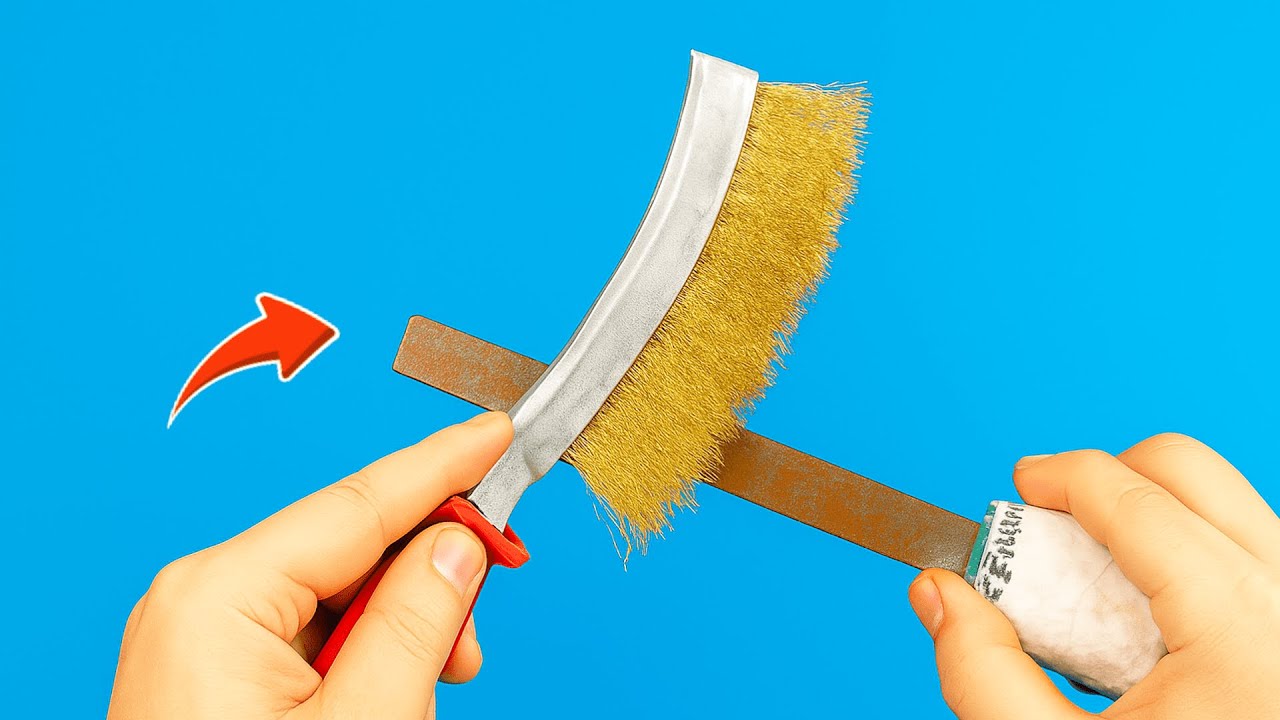
Using a wire brush or steel wool, gently scrub the rust off your file. Focus on the areas with the most rust, but be careful not to damage the metal surface.
4. Rinse and Dry
After scrubbing, rinse the file under warm water to remove any residue from the rust remover or the baking soda paste. Make sure to dry it thoroughly to prevent new rust from forming.
5. Apply Lubricant
Finally, once your file is clean and dry, apply a little lubricating oil to protect against future rust. This will keep your file in great shape for the long term.
Common Mistakes
While rejuvenating your rusty metal file, be mindful of these common pitfalls:
- Neglecting safety gear: Always wear gloves and possibly even goggles to protect yourself from rust particles and chemicals.
- Using excessive force: Scrubbing too hard can damage the finish of your file. Gentle but firm pressure is best.
- Skipping lubrication: Failing to apply lubricant after cleaning can expose your file to rust again.
Frequently Asked Questions
How often should I clean my metal files? It depends on usage, but a good rule of thumb is to clean them at least once every few months, or whenever you notice rust developing.
Can I use vinegar instead of rust remover? Yes, vinegar can be an effective natural rust remover but may require more scrubbing and time compared to commercial products.
What if the rust is too deep? If the rust is severe and affects the tool’s functionality, it may be time to consider replacing the file.
Conclusion
By gathering the right materials and following the provided steps, restoring your rusty metal file is manageable. Regular maintenance will ensure your tools remain in fantastic condition. What was your experience with restoring tools? Share your thoughts in the comments below.