8 Habits to Prevent Heart Attacks and Strokes for a Healthier Life
8 Everyday Habits for a Healthier Life to Prevent Heart Attacks and Strokes
- Introduction
- Importance of Healthy Habits
- Smart Dietary Choices
- Regular Exercise Routines
- Effective Stress Management
- Common Mistakes to Avoid
- FAQ
- Conclusion
Introduction
Daily life can be overwhelming and health often takes a backseat amidst busy schedules. You might find yourself reaching for quick snacks or skipping the gym, believing you have no time. The truth is, small changes can significantly impact your overall wellness. Discover how incorporating just a few habits into your routine can make a substantial difference in preventing heart attacks and strokes.
Importance of Healthy Habits
Embracing a lifestyle that prioritizes heart health is crucial for everyone. These habits not only protect your heart but also enhance your overall quality of life. Let’s explore some effective habits you can easily incorporate into your daily routine.
Understanding Heart Health
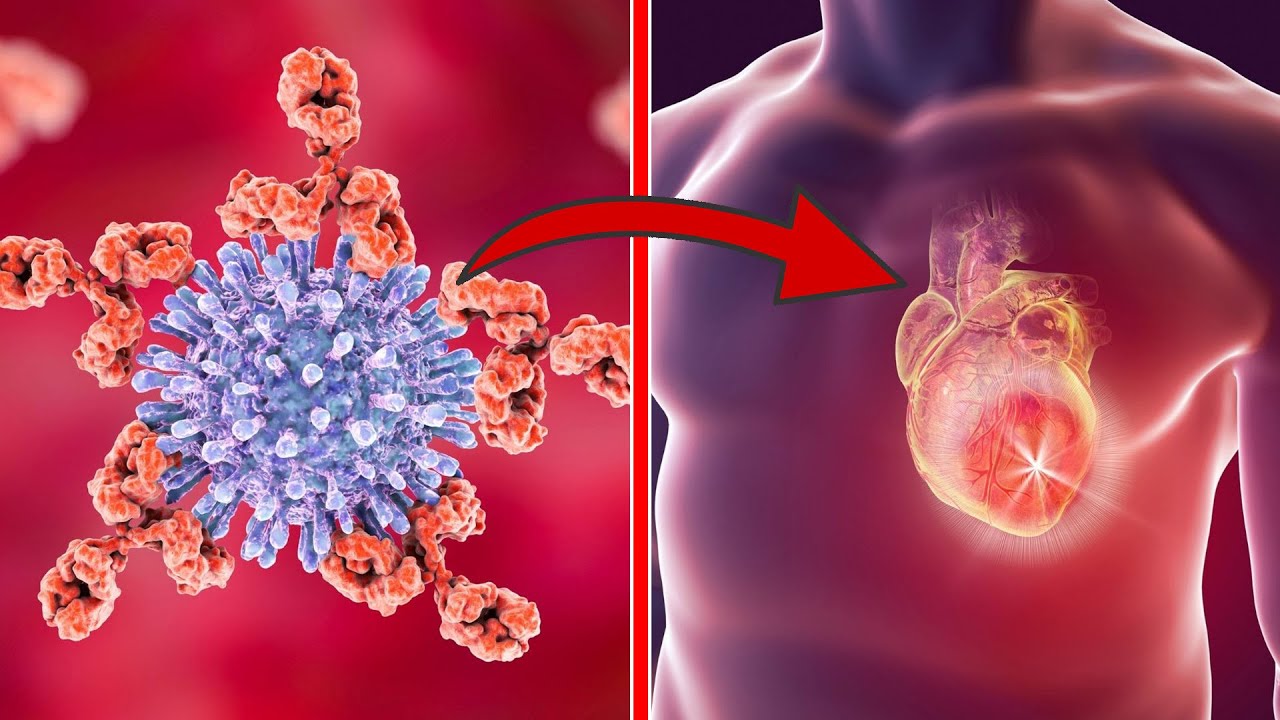
Heart attacks and strokes can be devastating, but many risk factors can be managed or mitigated through lifestyle choices. By focusing on your health now, you can improve both longevity and well-being.
Long-term Health Benefits
Adopting a healthier lifestyle can lead to lower blood pressure, improved cholesterol levels, and increased energy—all contributing to a happier and more fulfilling life.
Smart Dietary Choices
Your diet plays a critical role in maintaining heart health. Making informed food choices supports not just your heart but your entire body.
Prioritize Whole Foods
- Incorporate more fruits and vegetables into your meals. Aim for at least five servings a day.
- Opt for whole grains instead of refined grains. Whole oats, brown rice, and whole wheat bread offer more fiber and nutrients.
- Reduce processed foods, which often contain high levels of sodium and unhealthy fats.
Healthy Fats Matter
Focus on incorporating healthy fats into your diet. Use olive oil for cooking and snack on nuts and seeds. This shift aids in controlling cholesterol levels and promotes heart health.
Regular Exercise Routines
Staying active is vital for preventing heart-related issues. Regular physical activity strengthens the heart and improves circulation.
Find Activities You Enjoy
- Explore walking, cycling, or swimming. Find something you genuinely enjoy to stay motivated.
- Consider joining a local fitness class or community sports team. This makes exercising more social and fun.
Set a Weekly Routine
Setting aside time each week for physical activity can keep you accountable.
- Schedule at least 150 minutes of moderate aerobic activity weekly.
- Incorporate strength training exercises at least twice a week.
Effective Stress Management
Stress can significantly impact heart health. Finding ways to manage stress is essential for overall wellness.
Mindfulness Techniques
- Practice deep breathing exercises or meditation to calm your mind.
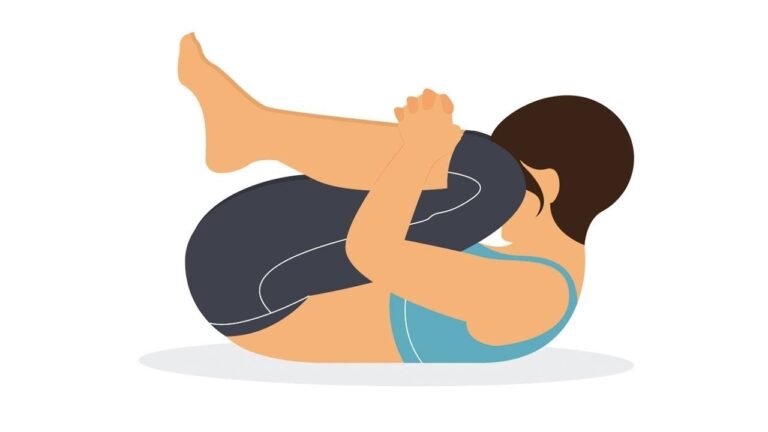
- Engage in activities like yoga or tai chi that foster relaxation.
Establish Healthy Boundaries
Learning to say no and prioritizing self-care can prevent burnout and ensure your mental health remains intact. Make time for hobbies and activities that bring you joy.
Common Mistakes to Avoid
While making healthy changes, it’s essential to steer clear of common pitfalls that can undermine your efforts.
Ignoring Portion Sizes
Even healthy foods can lead to weight gain if eaten in excessive amounts. Always be mindful of your portions.
Neglecting Sleep
Many people underestimate the importance of sleep. Lack of rest can lead to various health issues, including stress and heart complications.
Shunning Regular Check-ups
Regular health check-ups are vital for monitoring heart health. Ignoring these appointments can delay the detection of potential issues.
FAQ
What foods are best for heart health?
Focus on whole grains, fruits, vegetables, lean proteins, and healthy fats like nuts and olive oil.
How much exercise do I need for heart health?
Aim for at least 150 minutes of moderate aerobic activity each week, plus strength training twice a week.
Can stress really affect my heart?
Yes, chronic stress can lead to harmful physical effects, including higher blood pressure, which increases the risk of heart disease.
Conclusion
Incorporating these eight habits into your daily routine can greatly enhance your heart health and overall well-being. What small change are you considering to adopt today? Share your thoughts in the comments below!