7 Signs You’re Eating Too Much Salt You Should Never Ignore!
7 Signs You’re Eating Too Much Salt You Should Never Ignore
- Signs You Are Consuming Excess Salt
- Understanding High Sodium Foods
- Health Impacts of Excess Salt
- Common Mistakes in Healthy Eating
- FAQ
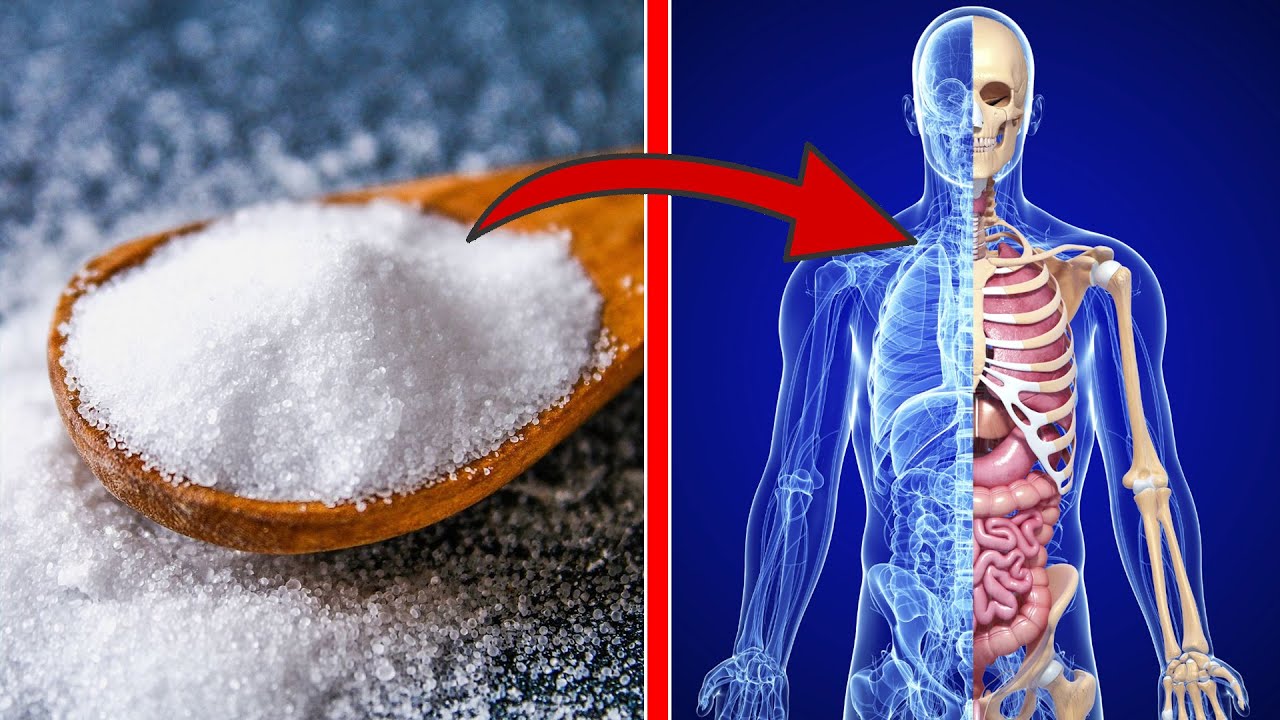
Many people enjoy the flavor that salt adds to their meals, but how much is too much? If you often experience thirst, bloating, or fatigue, it could be a sign that your salt intake is higher than recommended. Paying attention to these signs is crucial for maintaining your overall health and ensuring your body functions optimally. Keep reading to discover the important signals your body may be sending you about your salt consumption.
Signs You Are Consuming Excess Salt
Recognizing the signs that indicate you may be consuming too much salt can help you make necessary adjustments to your diet. Here are seven key signs to watch for:
- Increased Thirst: If you find yourself feeling thirsty more often than usual, it may be because your body is compensating for the excess sodium.
- Bloating: An overload of salt can cause your body to retain water, leading to a feeling of fullness and puffiness.
- Frequent Headaches: Excess salt can affect your blood pressure, which may trigger headaches.
- High Blood Pressure: Regular monitoring of your blood pressure is essential. Consistently high readings can signal excessive salt intake.
- Fatigue: Too much salt can lead to dehydration, which in turn may leave you feeling tired and sluggish.
- Stomach Issues: If you experience discomfort, cramping, or nausea, these might be related to high sodium levels.
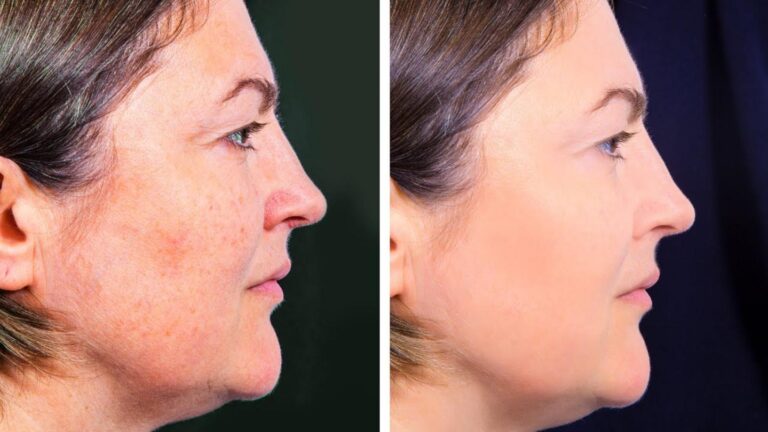
- Thickened Skin: A salty diet can impact your skin, making it feel swollen or thickened.
Understanding High Sodium Foods
Not all salt sources are obvious. Being aware of which foods tend to be high in sodium can help you make more informed choices about what you eat. Consider the following:
- Processed Foods: Many packaged snacks and ready-to-eat meals often contain high levels of sodium.
- Cured Meats: Items like bacon, deli meats, and sausages are typically loaded with salt for preservation and flavor.
- Condiments: Ketchup, soy sauce, and salad dressings can add hidden sodium to your meals.
- Cheese: Certain types of cheese are particularly high in salt, which can add significant amounts of sodium to your diet.
Health Impacts of Excess Salt
Understanding the potential health effects of consuming too much salt can motivate you to make necessary changes. Here are some impacts to keep in mind:
Cardiovascular Risks
High salt intake can lead to increased blood pressure, putting you at greater risk for heart disease and stroke. Monitoring your sodium levels is crucial, especially as you age.
Kidney Function
Excess salt can strain your kidneys, as they work overtime to eliminate the additional sodium from your body. Over time, this can lead to kidney damage.
Water Retention
Increased salt intake can cause your body to retain water, leading to swelling and discomfort. This can also affect your weight as water weight can vary.
Common Mistakes in Healthy Eating
Even if you think you’re eating healthily, you might be falling into some common traps. Here are mistakes to be aware of:
- Overseasoning: Adding excessive salt to dishes without realizing how it accumulates can easily lead to higher consumption.
- Ignoring Labels: Failing to read food labels may mean you’re unaware of how much sodium is in your favorite products.
- Relying on Processed Foods: Convenience can come at a cost. Regularly opting for pre-packaged meals can result in unintended high sodium intake.
FAQ
What is the recommended daily sodium intake? The general recommendation for sodium intake is less than 2,300 milligrams a day for most adults.
How do I reduce my salt intake? Start by reading food labels, cooking fresh meals, and using herbs and spices for flavor instead of salt.
Can I still enjoy salty foods occasionally? Yes, moderation is key. Enjoy salty foods in small amounts and balance them with low-sodium options.
To sum it up, paying attention to the signs of excess salt consumption and understanding the impact it can have on your health is vital. Are you aware of your own salt intake habits? Feel free to share your thoughts in the comments below.