Enraize 5 Galhos de Plantas com Esta Técnica Secreta dos Produtores
How to Propagate Plants Using the Secret Technique of Growers
- Introduction
- Benefits of Propagating Plants
- Required Materials
- Step-by-Step Guide to Propagate Plants
- Common Mistakes to Avoid
- Frequently Asked Questions
- Conclusion
Introduction
Picture this: You have a favorite plant that thrives in your home, and you want to multiply it without spending a fortune on new ones. You might feel unsure about how to proceed with propagation. This process can seem complex, but with the right approach, it can become a fulfilling and cost-effective way to expand your indoor garden. Discover the secrets that seasoned growers use to make this easy for you.
Benefits of Propagating Plants
Understanding the benefits of propagating plants can motivate you to try this rewarding practice. Here are a few reasons to consider:
- Cost-saving: By propagating your favorite plants, you reduce the need to purchase new ones.
- Customization: You can create variations by choosing different containers or experimenting with soil mixes.
- Enhanced gardening skills: Engaging regularly in plant propagation enhances your gardening expertise and confidence.
- Sharing: It’s a wonderful way to share plants with friends and family, fostering community connections.
Required Materials
Before diving into the plant propagation process, gather these necessary materials:
- Healthy plant cuttings: Select stems that are disease-free and healthy.
- Potting soil: Use a good-quality potting mix to support growth.
- Containers: Choose pots or trays with drainage holes.
- Water: Fresh water will keep your cuttings hydrated during rooting.
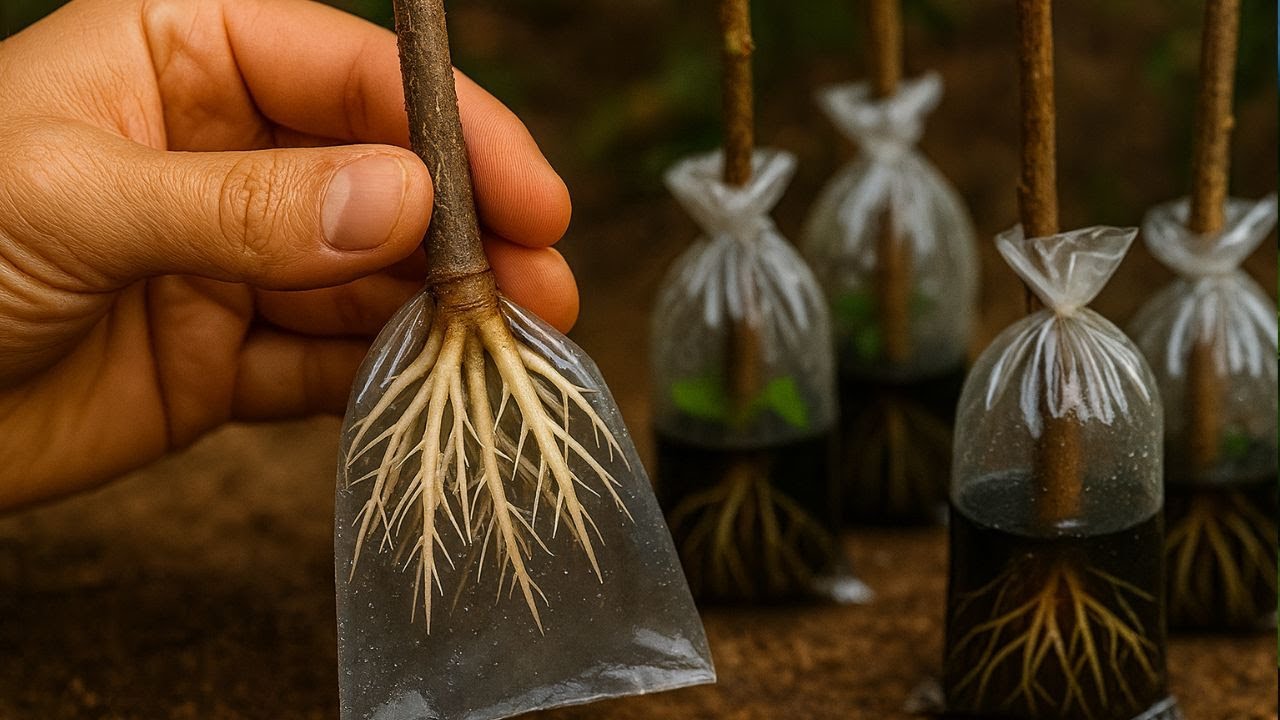
- Plastic wrap or a clear plastic bag: This helps maintain humidity levels.
Step-by-Step Guide to Propagate Plants
Now, let’s look at a straightforward step-by-step guide to propagate plants successfully:
1. Prepare the Cuttings
Follow these steps to prepare your cuttings:
- Using clean scissors or pruning shears, take cuttings that are around 4-6 inches long.
- Remove the lower leaves to prevent rot when planted.
- Dip the ends in rooting hormone (optional) to encourage faster root development.
2. Plant the Cuttings
Next, you’ll plant the prepared cuttings:
- Fill the containers with potting soil, leaving some space at the top.
- Insert the cuttings into the soil, ensuring they are at least a few inches deep.
- Gently press the soil around the base of the cuttings to provide stability.
3. Provide Proper Conditions
It’s essential to create a comfortable environment for rooting:
- Water the cuttings lightly, ensuring the soil is moist but not soggy.
- Cover the container with plastic wrap or a clear plastic bag to maintain humidity.
- Place the setup in a warm, indirect sunlight area to promote growth.
4. Monitor and Care
Regular care will ensure success:
- Check the soil moisture daily, watering as needed.
- After a few weeks, check for roots by gently tugging on the cuttings.
- Once rooted, you can remove the plastic covering.
Common Mistakes to Avoid
Despite your best efforts, you may encounter some challenges. Here are common mistakes to avoid during the propagation process:
- Using unhealthy cuttings that can lead to disease.
- Overwatering the cuttings, which can cause rot.
- Exposing cuttings to direct sunlight too soon, which can stress them.
- Not using a clean and sterile tool for cutting, increasing contamination risk.
Frequently Asked Questions
1. How long does it take for plant cuttings to root?
Most cuttings typically take a few weeks to a couple of months to root, depending on the plant type and conditions.
2. Can I propagate any plant?
Not all plants propagate well from cuttings; succulents, herbs, and many houseplants generally do better.
3. What should I do if my cuttings aren’t rooting?
If you notice your cuttings aren’t rooting, consider checking for overwatering or inadequate light conditions.
Conclusion
Plant propagation is a rewarding way to share and expand your garden. By following the outlined steps and avoiding common mistakes, you can grow your collection. What plants are you excited to propagate next? Share your thoughts in the comments!