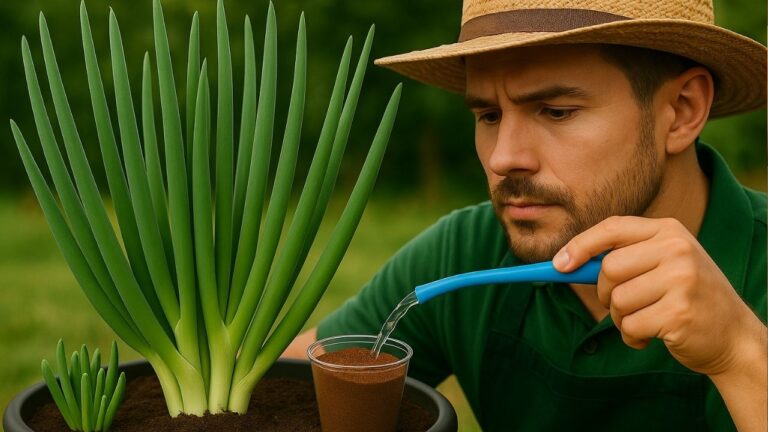
Discover 1 Simple Cup That Makes Any Plant Grow Like Crazy!
Discover the Benefits of Using Plant Growth Cups for Thriving Plants
- Introduction
- Understanding Plant Growth Cups
- How to Use Gardening Cups Effectively
- Common Mistakes to Avoid
- FAQ
- Conclusion
Introduction
Picture this: you’ve carefully tended to your indoor garden, nurturing each plant with love and care. Yet, despite your efforts, some plants just don’t seem to thrive as you had hoped. The frustration sets in as you wonder what could be missing from your routine. Could the answer lie in the way your plants are housed? As you explore effective tools for gardening, it’s important to consider how even simple elements can affect plant growth. Keep reading to uncover the potential of plant growth cups in your gardening journey.
Understanding Plant Growth Cups
Plant growth cups are specialized containers designed to enhance the growth of your plants. These cups often come with unique features that promote optimal growth conditions.
What Are Plant Growth Cups?
Plant growth cups are typically made from materials that facilitate moisture retention and allow for proper drainage. Their design often aids in minimizing the risk of overwatering, which is a common problem among indoor gardeners.
Benefits of Using Plant Growth Cups
- Improved drainage: Many plant growth cups have drainage holes that help prevent root rot.
- Enhanced aeration: The materials used often allow for better airflow to the roots, promoting healthy growth.
- Convenient size: Their compact size is perfect for both indoor and outdoor use, making them versatile for various gardening styles.
How to Use Gardening Cups Effectively
Using gardening cups can significantly enhance your plant care routine when done correctly. Here’s how to make the most of these helpful tools:
Choosing the Right Cup
Select a plant growth cup that fits your plant’s size. This ensures that your plants have enough space to grow while not being overly cramped.
Steps for Effective Use
- Prepare the cup: Ensure it’s clean and has adequate drainage holes.
- Add soil: Fill the cup with a high-quality potting mix suitable for your plant type.
- Plant with care: Gently place your plant in the cup, covering the roots completely with soil.
- Water appropriately: Water the plant thoroughly but ensure excess water can drain away effectively.
Tips for Maintaining Healthy Plants
- Check moisture levels regularly; don’t let your plants sit in water.
- Rotate the cups occasionally for even light exposure.
- Consider adding a layer of mulch on top to retain moisture and suppress weeds.
Common Mistakes to Avoid
While using plant growth cups can be beneficial, certain mistakes can hinder their effectiveness. Here are some common pitfalls:
Overwatering
One of the most frequent issues is overwatering, which can lead to root rot. Ensure your plants are only watered when necessary.
Neglecting Light Conditions
Placing your plant growth cups in inadequate light can stunt growth. Be mindful of the light requirements for each plant type.
Choosing the Wrong Cup Size
Using cups that are too small can restrict plant growth, while overly large cups can lead to overwatering. Be sure to size them just right.
FAQ
What are the benefits of using plant growth cups?
Plant growth cups improve drainage, enhance aeration, and provide a convenient size for various gardening scenarios.
How often should I water plants in growth cups?
Water should be applied when the top inch of soil feels dry; this prevents overwatering while ensuring your plants receive adequate moisture.
Can I use plant growth cups for all types of plants?
Most cups are versatile, but it’s essential to choose the right type based on the specific needs of your plants, such as soil type and drainage requirements.
Conclusion
Implementing plant growth cups into your gardening routine can lead to healthier, more vibrant plants. By understanding how to use these tools effectively and avoiding common mistakes, you can enjoy a thriving indoor garden. What types of plants do you plan to grow in your new cups? Feel free to share in the comments below!