9 Simple Ways to Restore Your Kitchen Scissors for Amazing Results
9 Simple Ways to Restore Your Kitchen Scissors for Amazing Results
- Introduction
- Basic Cleaning Techniques
- Sharpening Methods for Your Scissors
- Maintenance Tips to Extend Lifespan
- Common Mistakes to Avoid
- FAQ
- Conclusion
Introduction
Have you ever reached for your kitchen scissors only to find they struggle to cut even the simplest items? A pair of dull or dirty scissors can turn daily kitchen tasks into frustrating challenges. It’s easy to overlook this essential tool, yet with a little care, you can restore your kitchen scissors to their former glory. Read on to discover simple, effective methods to revive your trusty scissors and make cooking a breeze once more.
Basic Cleaning Techniques
Before diving into sharpening, ensure your scissors are clean. Over time, food particles can accumulate, affecting their performance. Here are some effective cleaning techniques:
1. Gather Your Supplies
- Warm soapy water
- Soft cloth or sponge
- Disinfectant spray or wipes
2. Wash Your Scissors
Using the warm soapy water and a cloth, gently clean the blades and handles of your scissors. Make sure to pay special attention to any crevices where grime may hide.
3. Dry Thoroughly
After washing, dry your scissors completely with a clean cloth. It’s crucial to prevent rust, which can occur if moisture is left on the blades.
Sharpening Methods for Your Scissors
Once your scissors are clean, it’s time to sharpen them. Dull blades can make cutting difficult, but sharpening can restore their efficiency. Here are a couple of straightforward methods:
1. Use a Sharpening Stone
If you have a sharpening stone, follow these steps:
- Wet the stone with water.
- Angle the scissors at about 30 degrees against the stone.
- Slide the blade across the stone, applying even pressure.
2. Employ Aluminum Foil
An easy household method involves using aluminum foil:
- Fold a piece of aluminum foil several times.
- Cut the foil with your scissors about 10 times.
This technique can help sharpen the edges while also removing any minor rust or debris.
Maintenance Tips to Extend Lifespan
To ensure your kitchen scissors remain in good condition, consider the following maintenance tips:
1. Regular Cleaning
Make it a habit to clean your scissors after each use. This small step can go a long way in preserving their sharpness and functionality.
2. Store Properly
Keep your scissors in a designated drawer or with a protective cover to avoid dulling the blades from contact with other utensils.
3. Lubricate the Joints
When your scissors feel stiff, a drop of oil on the pivot joint can help them operate smoothly. Wipe away any excess oil after application.
Common Mistakes to Avoid
Improper care can damage your scissors or diminish their effectiveness. Here are some common mistakes to avoid:
- Using scissors for tasks they aren’t designed for, such as cutting cardboard or wire.
- Forgeting to clean them regularly, allowing grime to build up.
- Neglecting to dry your scissors after washing, risking rust development.
- Over-sharpening, which can wear down the blades faster than necessary.
FAQ
How often should I sharpen my kitchen scissors?
Sharpen your kitchen scissors as needed, typically every few months or when you notice decreased cutting performance.
Can I use kitchen scissors for non-food items?
While some users do, it’s best to reserve kitchen scissors for culinary tasks to maintain their sharpness and hygiene.
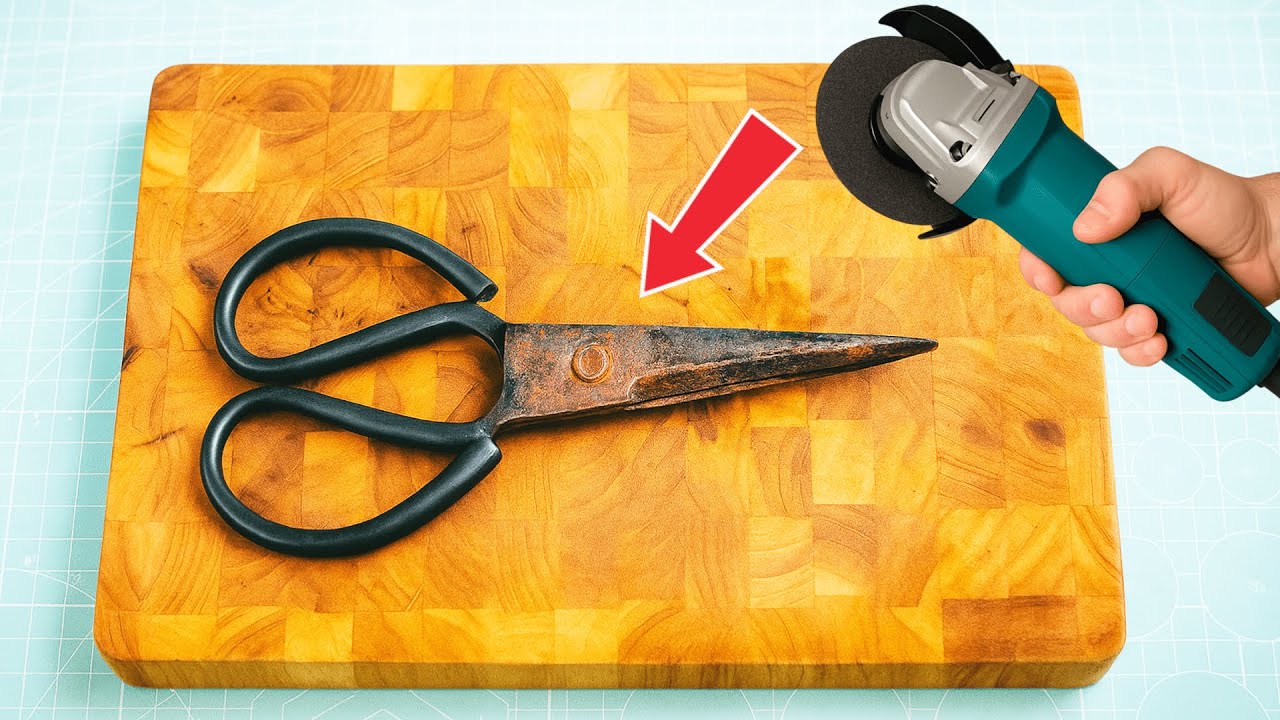
What can I do if my scissors are rusted?
If your scissors have rust, soak them in vinegar for a few hours, then scrub with a soft brush to remove the rust.
Conclusion
Taking the time to clean and care for your kitchen scissors can greatly enhance their performance and lifespan. By following these simple methods, you can ensure your scissors are always ready for action. What’s your go-to method for maintaining your kitchen tools?