
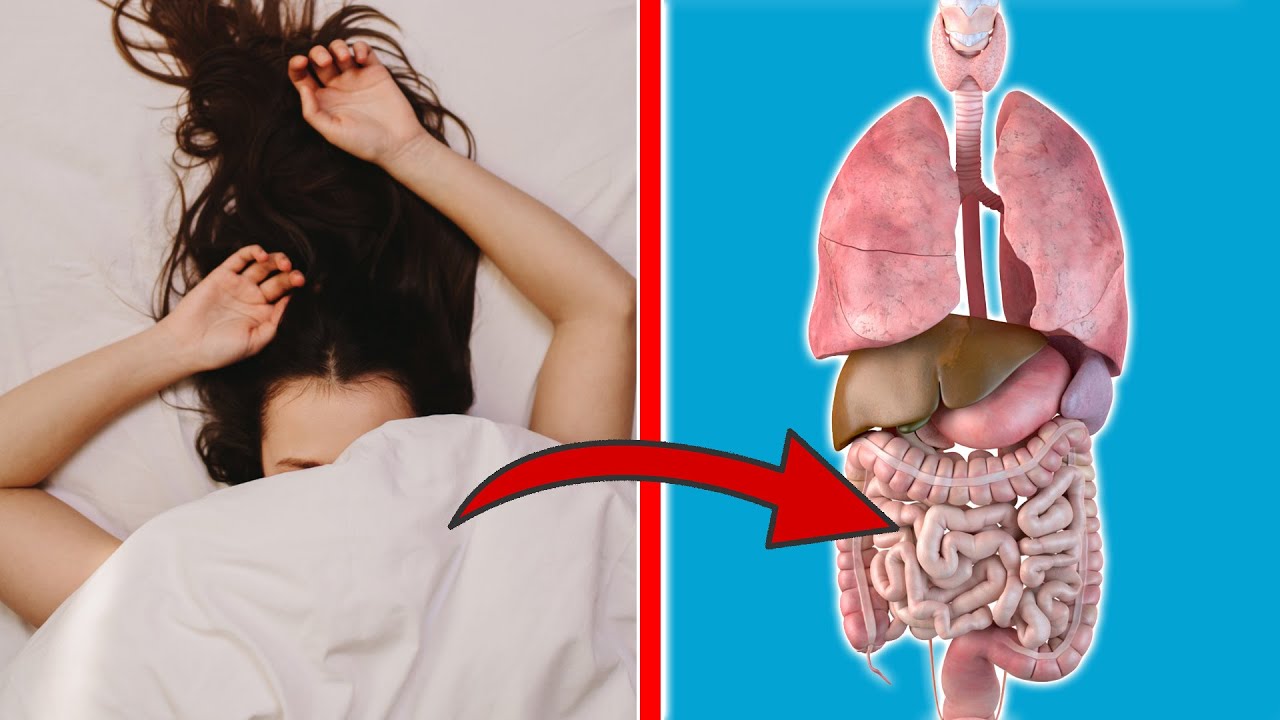
Discover 5 Surprising Effects on Your Body When You Sleep with the Lights On! 💥
5 Surprising Effects on Your Body When You Sleep with the Lights On
- Disrupted Sleep Quality
- Hormonal Changes
- Impact on Cognitive Function
- Increased Risk of Depression
- Common Mistakes
- FAQ
Picture this: you’re tired after a long day, but instead of settling into a tranquil sleep environment, you leave the lights on. Your body may be more affected than you think. There’s a lot of information out there about sleep hygiene, but many of us overlook the impact of light exposure during our slumber. If you’re curious about how sleeping with the lights on can influence your body’s well-being, keep reading to uncover some surprising effects.
Disrupted Sleep Quality
One of the primary consequences of sleeping with the lights on is a disruption of sleep quality. Your body’s natural circadian rhythm relies heavily on darkness to signal that it’s time to rest. When exposed to artificial light, especially blue light, your sleep cycles can be thrown off.
Understanding Circadian Rhythm
Your circadian rhythm is like an internal clock that regulates sleep-wake cycles and hormone release. Exposure to light can inhibit melatonin production, causing you to feel less rested or even awake during the night.
How Light Affects Sleep Stages
Sleeping in a well-lit room can prevent you from progressing into the deeper stages of sleep, which are crucial for restorative rest. If you regularly wake up feeling unrefreshed, this may be a contributing factor.
Hormonal Changes
Sleeping with the lights on contributes to hormonal changes in the body, particularly affecting melatonin and cortisol levels. These hormones play significant roles in regulating your body’s sleep-wake cycle and stress response.
Melatonin Production
As mentioned, melatonin is critical for initiating sleep. Constant exposure to light can lead to lower melatonin levels, which may affect your ability to fall and stay asleep.
Cortisol Levels
Conversely, light can increase cortisol levels, the body’s primary stress hormone. Elevated cortisol can lead to increased anxiety and decreased overall well-being.
Impact on Cognitive Function
Another surprising effect of sleeping with the lights on is its impact on cognitive function. Quality sleep is essential for cognitive processes, including memory, problem-solving, and focus.
Memory Consolidation
During sleep, your brain processes and consolidates memories from the day. Disrupted sleep can hinder this crucial function. If you find yourself forgetting important details or feeling foggy during the day, inadequate sleep quality may be a reason.
Focus and Attention
Sleep deprivation can also lead to difficulty in concentration and decreased attention spans. If you rely on sleeping with the lights on, your focus may suffer as a result.
Increased Risk of Depression
People who sleep with the lights on may face a heightened risk of depression. Research has shown a correlation between poor sleep quality and mental health issues.
Impact on Emotional Well-being
Sleep plays a crucial role in emotional stability. Inconsistent sleep patterns due to light exposure can exacerbate feelings of sadness or anxiety.
Long-term Effects
Over time, the cumulative effects of disrupted sleep can contribute to chronic depression. If you are struggling with your emotional health, examining your sleep environment may be beneficial.
Common Mistakes
To help you optimize your sleep quality, here are some common mistakes to avoid:
- Leaving electronics on: Devices emit blue light that can interfere with melatonin production.
- Using bright night lights: Opt for dim, warm lighting if necessary, to minimize light exposure.
- Disregarding windows: Heavy curtains or shades can help block out external light sources.
- Ignoring bedtime routines: Establishing a calming pre-sleep routine can help signal your body that it’s time to rest.
- Neglecting room temperature: A cool, dark environment is optimal for sleep, so keep your bedroom conducive to relaxation.
FAQ
Can sleeping with lights on cause insomnia? Yes, exposure to light while sleeping can disrupt your sleep cycles, potentially leading to insomnia.
How can I improve my sleep environment? Consider using blackout curtains, minimizing screen time before bed, and maintaining a cool room temperature.
What’s the best lighting for nighttime? If you need light at night, utilize low-intensity lamps that emit warm colors to minimize disruption to your sleep quality.
In summary, sleeping with the lights on can lead to a range of surprising effects, including disrupted sleep quality and hormonal changes. It’s essential to create an optimal sleep environment to promote better overall health. What adjustments will you make to improve your sleep quality?