10 Tips to Make Your SAMAMBAIA Grow Fast and Thrive! Discover the Result!
10 Tips for Making Your Sambambaia Grow Fast and Thrive
- Introduction
- Understanding Sambambaia
- Ideal Growing Conditions
- Watering and Feeding
- Common Mistakes
- FAQ
- Conclusion
Introduction
Picture your home adorned with lush, vibrant Sambambaia plants, their leaves radiating health and vitality. However, keeping these beautiful plants thriving can sometimes be a challenge, especially if you notice they’re growing slower than you’d like. It can be disheartening when your efforts don’t seem to lead to the lush growth you desire. With the right tips and care, you can transform your Sambambaia into a flourishing centerpiece in your home. Let’s explore how to nurture these stunning plants to ensure they thrive!
Understanding Sambambaia
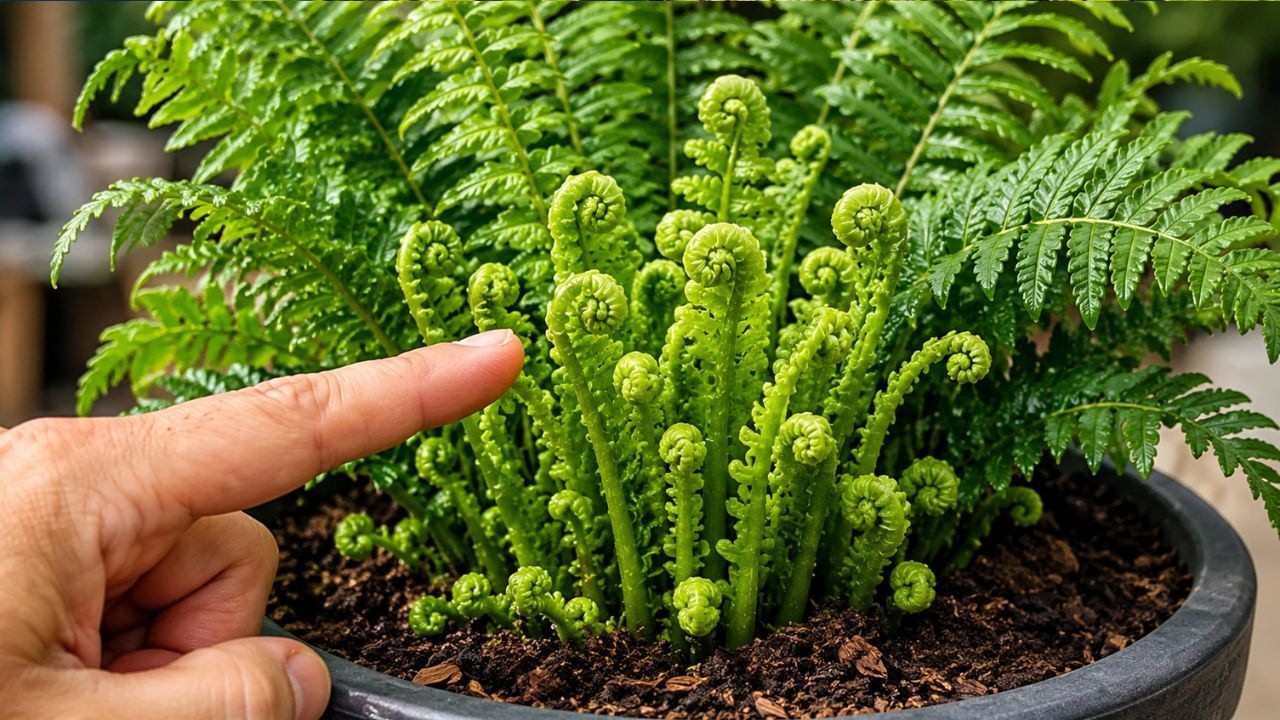
The Sambambaia, often celebrated for its stunning foliage, requires specific care to flourish. Knowing its background can help you appreciate its needs better.
1. Origins and Characteristics
Originating from tropical regions, the Sambambaia boasts beautiful fronds that can come in various shapes and sizes. This plant thrives in warm, humid environments, mimicking its natural habitat.
2. Varieties of Sambambaia
Different varieties of Sambambaia may have unique care needs. Some popular types include:
- Sambambaia Tiger: Known for its striking leaf patterns.
- Sambambaia Variegated: Features stunning white or yellow edges.
3. Life Cycle and Growth Stages
The Sambambaia grows in stages, starting from a baby plant and maturing over time. Familiarizing yourself with these stages can help you anticipate its needs as it grows.
Ideal Growing Conditions
Creating the perfect environment for your Sambambaia is crucial for its growth. Here are essential conditions to consider.
1. Location and Light
Finding the right spot in your home for your plant is vital. Sambambaia enjoys:
- Bright, indirect light: Avoid direct sunlight as it can scorch the leaves.
- Stable temperatures: Aim for temperatures between 65°F to 85°F.
2. Humidity Levels
Sambambaia thrives in high humidity. Here are some ways to increase humidity:
- Use a humidifier: This can maintain consistent moisture in the air.
- Group plants: Having several plants together can help create a microclimate.
- Water trays: Place pebbles in water trays under the pot to boost ambient humidity.
3. Soil Type
The right soil is essential for healthy root development. Make sure to use:
- A well-draining potting mix.
- Organic matter to retain moisture without becoming waterlogged.
Watering and Feeding
Proper watering and feeding are key to keeping your Sambambaia healthy and flourishing.
1. Watering Routine
It’s important to develop a consistent watering schedule:
- Check the soil: Water the plant when the top inch of the soil feels dry.
- Avoid overwatering: This can lead to root rot.
2. Fertilizing Practices
Feeding your Sambambaia will boost its growth. Consider the following:
- Fertilize during growing season: Use a balanced liquid fertilizer every 4-6 weeks.
- Reduce feeding in winter: The plant’s growth slows down, and it requires less nourishment.
3. Signs of Nutrient Deficiency
Keep an eye out for signs of nutrient deficiencies, such as yellowing leaves or stunted growth. Adjust your feeding routine accordingly.
Common Mistakes
Even seasoned plant lovers can make mistakes in caring for their Sambambaia. Here are some pitfalls to avoid.
1. Overwatering
It’s easy to think that more water equals better growth. Overwatering can lead to root rot, which can kill your plant.
2. Inadequate Light
Many assume that indoor plants only need low light. Sambambaia requires bright, indirect light for optimal growth.
3. Ignoring Humidity Needs
Neglecting humidity can hinder your plant’s growth. Ensure you provide adequate humidity levels.
4. Lack of Pruning
Failing to prune can result in leggy growth. Regularly trim dead or yellowing leaves to encourage healthier new growth.
5. Using the Wrong Soil
Choosing heavy soil can hinder drainage. Ensure you pick a potting mix that allows for proper drainage and aeration.
FAQ
How often should I water my Sambambaia?
Water your Sambambaia when the top inch of soil feels dry. This typically translates to once every week or two, depending on the humidity and temperature.
What are the signs of overwatering in Sambambaia?
Signs include yellowing leaves, wilting, or a mushy root system. If you notice these symptoms, reduce your watering frequency.
Can I propagate Sambambaia?
Yes, you can propagate Sambambaia by taking cuttings and placing them in water or soil. Ensure to choose healthy stems for the best results.
Conclusion
By implementing these tips, you can ensure your Sambambaia thrives in your home, showcasing its stunning leaves and enhancing your space. What challenges have you faced with your Sambambaia? Share your experiences in the comments!