7 Secrets to Keep Slugs and Snails Out of Your Garden Forever!
7 Secrets to Keep Slugs and Snails Out of Your Garden Forever!
- Introduction
- Understanding the Problem
- Natural Barriers
- Attracting Natural Predators
- Common Mistakes
- FAQ
- Conclusion
Introduction
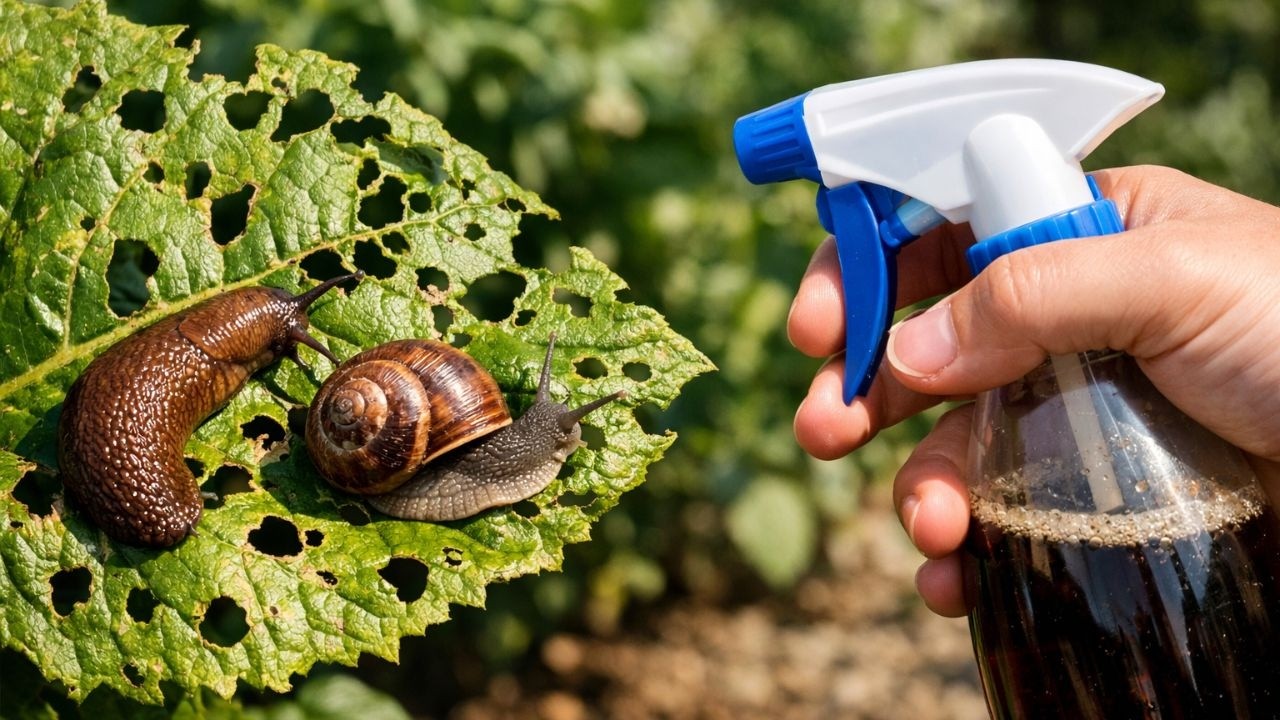
As you stroll through your garden, you might notice unsightly trails and half-eaten leaves signaling an invasion of slugs or snails. These pests can be quite the nuisance, damaging your carefully nurtured plants and hindering your gardening efforts. While they may seem harmless, they can pose a serious threat to your garden’s health. Understanding effective methods to keep them at bay will greatly enhance your gardening experience. Let’s delve into some effective strategies you can implement.
Understanding the Problem
Before tackling the issue, it’s essential to recognize why slugs and snails are drawn to your garden. These creatures thrive in damp, shady areas and are particularly attracted to tender, juicy plants. Identifying the specific plants they favor can help you target your defenses.
1. Conditions That Attract Slugs and Snails
Slugs and snails prefer gardens with:
- Excess moisture, particularly after rain or overwatering.
- Dense vegetation that offers hiding spots.
- Dark areas where they can travel undisturbed.
2. Identifying Common Vulnerable Plants
Some plants are particularly appealing to these pests. Common favorites include:
- Lettuce and leafy greens.
- New seedlings and tender herbs.
- Zucchini and other soft-skinned vegetables.
Natural Barriers
Creating barriers can be one of the most effective ways to deter slugs and snails. Employing natural methods protects the environment while keeping your plants safe.
1. Copper Tape
Using copper tape around the edges of your garden beds can provide a simple yet effective barrier. The copper creates a small electric shock when the slugs come into contact, deterring them from crossing.
2. Diatomaceous Earth
Sprinkling a layer of diatomaceous earth in the affected areas can also be quite helpful. This natural powder is abrasive and can damage the soft bodies of slugs and snails, dissuading them from moving across it.
3. Eggshells and Coffee Grounds
Creating a perimeter of crushed eggshells or spent coffee grounds can add texture that slugs dislike. These materials can help create a sharp barrier that makes it uncomfortable for them to cross.
Attracting Natural Predators
Encouraging beneficial wildlife can provide a natural balance in your garden and help keep slug and snail populations in check. Here are some effective strategies to increase predator presence.
1. Planting Companion Species
Introduce plants that attract natural predators like toads and birds. Examples of beneficial companion plants include:
- Marigolds to attract ladybugs.
- Thyme and mint that draw in helpful insects.
- Sunflowers which appeal to a variety of wildlife.
2. Creating Habitat
Adding stone piles, logs, or a small water feature can create ideal homes for toads and other predators that will naturally feast on slugs and snails, helping you maintain balance in your garden.
3. Encouraging Birds
Installing birdhouses and feeders can attract various bird species that enjoy snacks like slugs and snails. Keep your garden welcoming for birds by providing fresh water and safe nesting spots.
Common Mistakes
Certain approaches might prove counterproductive when trying to keep slugs and snails out of your garden. Here are some common missteps to avoid.
1. Over-Watering
Excess water in your garden creates the perfect habitat for slugs. Adjust your watering routine, ensuring the soil is well-drained and not overly moist.
2. Ignoring Shelter Conditions
Slugs enjoy hiding in debris and dense foliage. Regularly cleaning up fallen leaves and trimming dense plants can help minimize their hiding spots.
3. Using Chemical Pesticides
While it may seem like a quick solution, chemical pesticides can harm beneficial insects and the overall ecosystem of your garden. Opt for natural methods instead.
FAQ
How can I tell if I have a slug or snail problem?
Look for trails of slime, irregular holes in leaves, and the presence of these creatures, especially during damp evenings.
What plants are most resistant to slugs and snails?
Plants like rosemary, sage, and lavender are generally less favored by slugs and snails due to their strong scents and tougher textures.
Can I remove slugs and snails by hand?
Yes, manually removing them in the evening or early morning can be effective, though it’s best to relocate them away from your garden rather than just removing them without a plan.
Conclusion
By understanding the conditions that attract slugs and snails, implementing natural barriers, and encouraging their natural predators, you can create a healthier garden. What methods have you found effective in keeping these pests at bay in your own gardening experience?