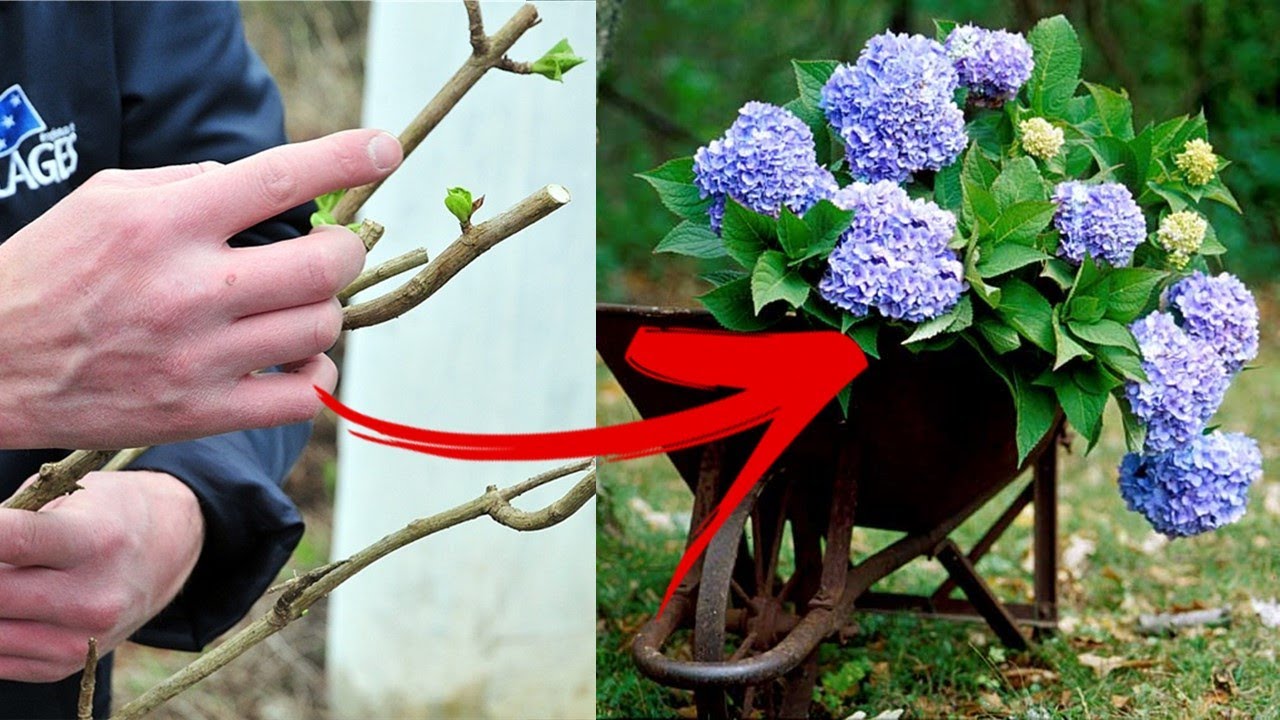
Grow 7 Beautiful Hydrangeas: Easy Tips for Planting and Care!
Grow Beautiful Hydrangeas: Easy Tips for Planting and Care
- Introduction
- Choosing the Right Hydrangeas
- Planting Your Hydrangeas
- Caring for Hydrangeas
- Common Mistakes to Avoid
- FAQ
- Conclusion
Introduction
Imagine stepping into your garden and being greeted by stunning blooms of hydrangeas in various shades. These beautiful plants can elevate your outdoor space, but you might find yourself unsure of where to start. With so many varieties and care instructions, getting it right can feel overwhelming. Still, with a little guidance, you can create a vibrant hydrangea display in your garden. Let’s explore how to achieve this blooming wonder.
Choosing the Right Hydrangeas
When considering how to grow beautiful hydrangeas, it’s essential first to select the appropriate type for your garden’s environment.
1. Understanding Varieties
There are several types of hydrangeas, each with unique features:
- Hydrangea macrophylla (Bigleaf): Known for their large blooms in pink or blue.
- Hydrangea paniculata (Panicled): These have cone-shaped flower clusters and adapt well to different climates.
- Hydrangea arborescens (Smooth): Typically white flowers that are hardy and easy to care for.
2. Climate Considerations
Assess your local climate. Some hydrangeas thrive in colder areas while others prefer warmer conditions. Research varieties suited to your region to ensure successful growth.
3. Space and Size
Consider how much space you have for your hydrangeas. Some varieties can grow quite large. Ensure you choose a variety that fits your space while offering the aesthetic appeal you desire.
Planting Your Hydrangeas
Once you’ve selected the right hydrangeas for your garden, it’s time to plant them properly for the best results.
1. Preparing the Soil
Hydrangeas thrive in rich, well-drained soil with a pH between 5.5 and 6.5. To prepare the soil:
- Test your soil pH and amend accordingly.
- Remove any existing weeds and debris from the planting area.
- Mix in organic matter, such as compost, to improve soil structure and nutrients.
2. Planting Techniques
For optimal growth, follow these steps when planting:
- Dig a hole that is twice the width of the root ball and as deep as the roots.
- Place the hydrangea in the hole, ensuring the top of the root ball is level with the soil surface.
- Fill the hole with soil and water to remove air pockets.
3. Watering After Planting
After planting, be sure to water your hydrangeas thoroughly. Keep the soil moist but not soggy, especially during the first growing season.
Caring for Hydrangeas
Proper care will help your hydrangeas thrive and produce beautiful blooms year after year.
1. Watering Regularly
Hydrangeas require consistent moisture. Here’s how to manage watering effectively:
- Water deeply at least once a week, adjusting based on rainfall.
- If you notice leaf wilting, consider increasing your watering schedule.
2. Fertilizing for Growth
Feed your hydrangeas with a balanced, slow-release fertilizer in early spring. Follow the manufacturer’s directions to avoid over-fertilizing.
3. Pruning for Health
Pruning is crucial for maintaining the health and shape of your hydrangeas. Here’s how:
- Prune dead or damaged stems in late winter or early spring.
- For some varieties, cut back the blooms after they’ve faded to encourage new growth.
Common Mistakes to Avoid
Even experienced gardeners can fall into certain pitfalls when caring for hydrangeas. Here are some common mistakes to watch out for:
1. Overwatering
Hydrangeas require moist soil, but overwatering can lead to root rot. Make sure to check soil moisture before adding more water.
2. Ignoring Sun Exposure
Different varieties have specific sun requirements. Placing them in the wrong light can hinder growth and blooming.
3. Failure to Prune
Neglecting to prune hydrangeas can lead to a tangled appearance and reduced flower production. Regular maintenance is necessary for their health.
FAQ
What is the best time to plant hydrangeas?
The best time to plant hydrangeas is in the spring or fall, when temperatures are milder.
How often should I water my hydrangeas?
Water hydrangeas deeply at least once a week, especially during dry spells.
Can I change the color of my hydrangeas?
Yes, soil pH affects the color of hydrangeas. Lowering the pH can produce blue flowers, while raising it can create pink blooms.
Conclusion
With the right choices and care, you can enjoy beautiful hydrangeas in your garden for years to come. By avoiding common mistakes and following simple guidelines, your hydrangeas will flourish. What are your favorite tips for planting and caring for hydrangeas? Share your thoughts in the comments!