Unlock 1 Easy Trick to Revive Your Stagnant Zamioculcas Plant!
Revive Your Stagnant Zamioculcas Plant with These Simple Tips
- Understanding Zamioculcas Plants
- Common Issues with Zamioculcas Plants
- Tips to Revive Your Zamioculcas Plant
- Mistakes to Avoid When Caring for Your Zamioculcas
- FAQ
Understanding Zamioculcas Plants
The Zamioculcas plant, also known as the ZZ plant, has become a favorite among plant enthusiasts for its lush, glossy leaves and low maintenance requirements. You might find that even the hardiest plants can occasionally show signs of distress; perhaps your Zamioculcas has stopped growing or its leaves are turning yellow. This situation can be concerning, especially when you’ve invested time and care into nurturing the plant. Encouragingly, understanding the specific needs and characteristics of your Zamioculcas can help you identify what may be causing its stagnation. Let’s dive into how to accurately assess and care for your green companion.
Common Issues with Zamioculcas Plants
There are several factors that may contribute to the health issues of your Zamioculcas plant. Identifying these common problems is the first step in reviving it.
1. Overwatering
Overwatering is a frequent culprit that leads to root rot, which can severely damage the plant. Zamioculcas plants thrive in well-drained soil, and excessive moisture can be detrimental.
2. Insufficient Light
While Zamioculcas plants are known for tolerating low-light conditions, they still require some indirect sunlight to thrive. A lack of light can lead to stunted growth.
3. Nutrient Deficiency
If your plant isn’t receiving adequate nutrients, it may cause its growth to plateau. Regular fertilization can help provide the necessary sustenance.
Tips to Revive Your Zamioculcas Plant
With an understanding of common issues, you can take actionable steps to revive your Zamioculcas effectively.
1. Adjust Watering Habits
- Assess the moisture level in the soil before watering. Stick your finger into the soil; if it’s dry up to your first knuckle, it’s time to water.
- Ensure that you use a pot with drainage holes to prevent excess water retention.
2. Optimize Lighting Conditions
- Relocate your plant to a spot where it receives bright, indirect light for several hours a day.
- Rotate the plant occasionally to ensure all sides receive equal light exposure.
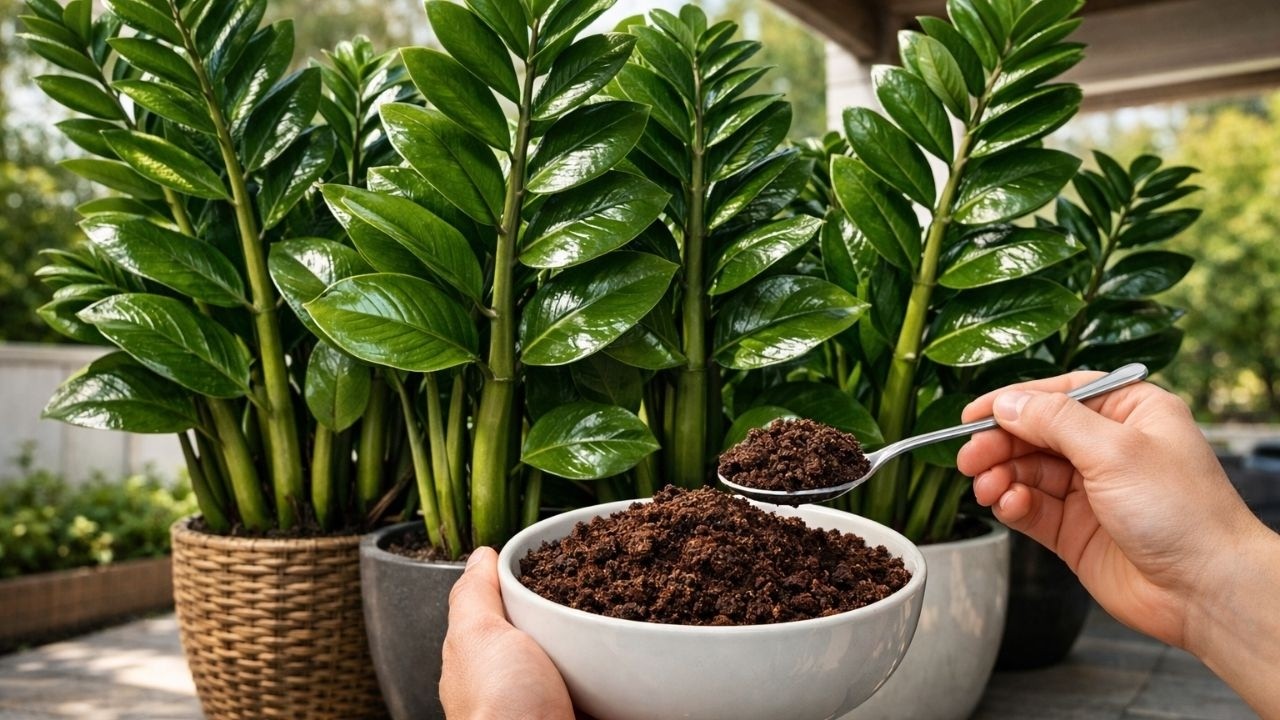
3. Provide Nutritional Support
- Choose a balanced, water-soluble fertilizer specifically designed for houseplants.
- Fertilize your Zamioculcas every 4 to 6 weeks during the growing season, typically spring and summer.
Mistakes to Avoid When Caring for Your Zamioculcas
Even the most dedicated plant parent can make mistakes. Here are some common pitfalls to avoid:
- Overwatering your plant, which is a top reason for root rot.
- Using a pot without drainage holes, trapping excess water.
- Forgetting to check the soil moisture regularly, leading to extended periods of drought.
- Neglecting to rotate the plant for even light exposure, resulting in uneven growth.
- Applying too much fertilizer, which can burn the roots and damage the plant.
FAQ
What is the ideal light condition for a Zamioculcas plant?
Zamioculcas plants prefer bright, indirect light but can also tolerate low-light conditions. However, too little light may stunt their growth.
How often should I water my Zamioculcas plant?
Water your Zamioculcas when the top inch of soil feels dry. Usually, this is every 2-3 weeks, depending on the humidity levels in your home.
Can I revive a Zamioculcas that has yellow leaves?
Yes, yellow leaves often indicate overwatering or insufficient light. Adjust your care routine accordingly to help restore your plant’s health.
Conclusion
By implementing these practical tips, you can effectively bring your Zamioculcas plant back to health. Remember to adjust your watering habits, optimize its light conditions, and provide proper nutrition. What adjustments have you found most helpful for your plants? Feel free to share your experiences in the comments!