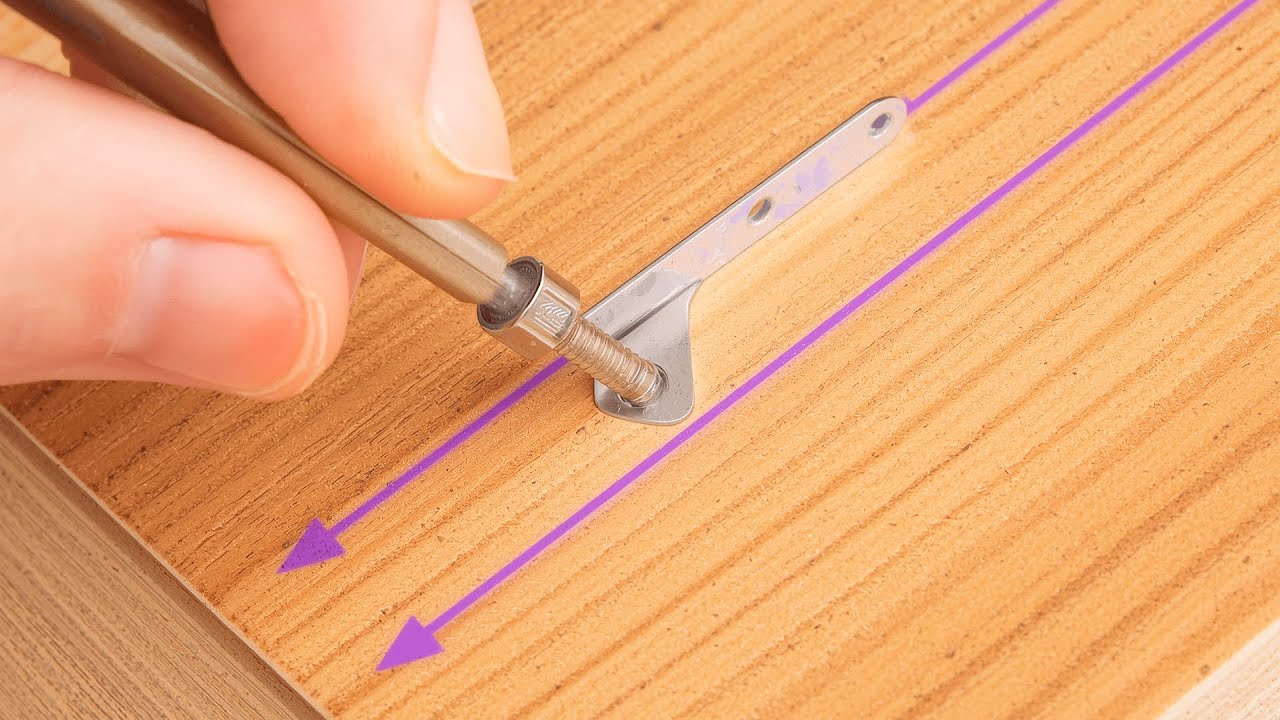
10 Quick Woodworking Tips That Will Transform Your Projects Fast!
10 Quick Woodworking Tips to Enhance Your Projects
- Essential Tools for Woodworking
- Planning Your Projects
- Effective Joining Techniques
- Finishing Tips for a Professional Look
- Common Mistakes in Woodworking
- FAQ
Essential Tools for Woodworking
Choosing the right tools can significantly influence the quality of your woodworking projects. If you’re just starting, it’s easy to feel overwhelmed by the variety of options available. A solid foundation is necessary to help you navigate all the choices. Understanding which tools are truly essential will allow you to build your collection with purpose.
1. Must-Have Hand Tools
- Saw: A reliable handsaw or circular saw is essential for making accurate cuts.
- Chisel: Invest in a quality chisel set for precise shaping and carving.
- Square: A carpenter’s square helps ensure your angles are correct.
2. Power Tools to Consider
- Drill: A cordless drill can simplify your work, making drilling and driving screws effortless.
- Sander: A random orbital sander provides a smooth finish on any surface.
Planning Your Projects
Effective planning is crucial for any successful woodworking endeavor. It sets the stage for achieving your desired results while minimizing mistakes. Taking the time to map out your project can save you both time and materials.
1. Create Detailed Sketches
Draw your project with dimensions and designs that clearly outline what you’re trying to create. This will make following your plan easier.
2. Make a Materials List
- Identify Materials: List all the wood types and other materials you’ll need.
- Calculate Quantities: Be sure to account for any mistakes by purchasing a little extra.
Effective Joining Techniques
Joining your pieces effectively is key to ensuring your project is sturdy and durable. Different techniques can offer various levels of strength and simplicity. Exploring these methods can help you find what works best for your projects.
1. Butt Joints
This is one of the simplest joining methods. Align the edges of your pieces and secure them with screws or wood glue.
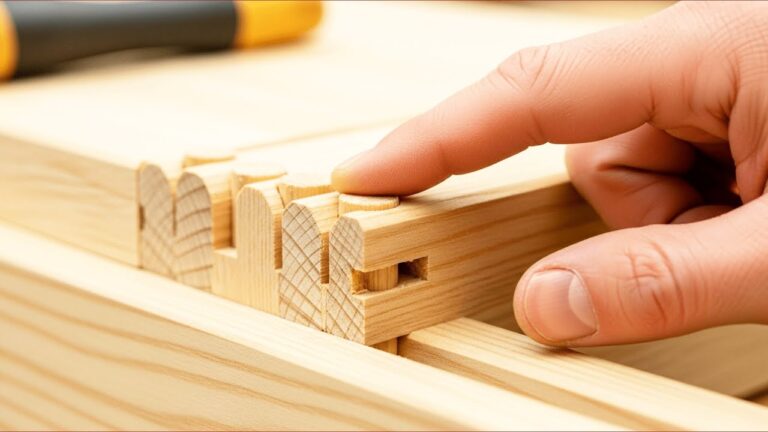
2. Dowel Joints
- Mark and Drill Holes: Create holes on both pieces that will be joined.
- Insert Dowels: Use wood glue to hold the dowels securely in place.
Finishing Tips for a Professional Look
The finishing touch on your woodworking project is where you can really elevate your work. A good finish not only enhances the appearance but also protects the wood from wear and tear. Here are some tips to ensure your finish is flawless.
1. Choose the Right Finish
Depending on your project’s purpose, you may opt for oil, varnish, or paint to complete the look.
2. Apply Evenly
- Sand the Surface: Ensure the surface is smooth before applying any finish.
- Use a Quality Brush: Invest in good brushes to avoid streaks on your finish.
Common Mistakes in Woodworking
Even experienced woodworkers can overlook important details. Being aware of common mistakes can help you avoid them and improve your craftsmanship. Here are some mistakes to watch out for:
1. Ignoring Wood Grain
The direction of the wood grain affects cuts and finishes. Always pay attention to this to achieve cleaner results.
2. Skipping Safety Gear
Neglecting safety precautions can lead to injuries. Always wear safety goggles and a mask when working with wood and finishes.
3. Rushing the Drying Process
Patience is essential when applying finishes. Rushing can lead to uneven surfaces and a less professional result.
FAQ
What is the best type of wood for beginners?
Softwoods like pine are ideal for beginners due to their ease of use and affordability.
How can I improve my woodworking skills?
Practice regularly, and consider taking a class or watching tutorials online to improve your technique.
What safety gear should I use?
Always use safety goggles, ear protection, and a dust mask to ensure a safe working environment.
Conclusion
By implementing these woodworking tips, you can enhance the quality and professionalism of your projects. What techniques have you found most useful in your woodworking journey?