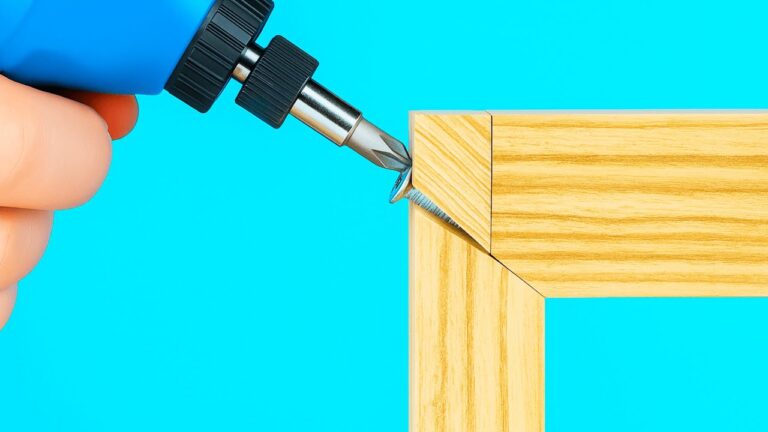

10 Essential Woodworking Tips I Wish I Knew Before 40 – Start Your Next Project Now!
10 Essential Woodworking Tips for Your Next Project
- Getting Started with Woodworking
- Choosing the Right Materials
- Essential Tools for Woodworking
- Common Mistakes to Avoid
- FAQ
Have you ever found yourself staring at a pile of wood, unsure of how to transform it into a beautiful piece of furniture or decor? Many beginners feel overwhelmed, not knowing where to start or what to consider in their woodworking journey. Navigating through various techniques, tools, and materials can seem daunting. However, with some foundational tips, you can confidently embark on your first project. Let’s explore some essential woodworking tips that will guide you through your crafting journey!
Getting Started with Woodworking
Before diving into woodworking, it’s crucial to familiarize yourself with basic concepts that will make your projects more enjoyable and successful. Understanding these elements will lay a solid foundation for your work.
1. Start with a Plan
Having a clear plan is integral to a successful project. Follow these steps:
- Define your project goal: Decide whether you’re making furniture, decor, or another item.
- Sketch your design: Draw a simple blueprint, noting measurements and materials needed.
- List out your steps: Break down the project into manageable tasks for smoother progress.
2. Practice Basic Techniques
Before tackling your main project, practice essential woodworking techniques to build confidence. Focus on:
- Sawing—straight cuts and curves
- Drilling holes accurately
- Joining wood pieces together with various methods
Choosing the Right Materials
Selecting materials that suit your project is key to achieving the best results. Consider the following when making your choices.
1. Understand Wood Types
Different types of wood have unique characteristics. Here are a few common ones:
- Pine: Affordable and easy to work with, making it great for beginners.
- Oak: Durable and strong, ideal for furniture.
- Walnut: Aesthetically pleasing but more expensive, perfect for accents.
2. Think About Sustainability
Choose materials that are sourced sustainably to minimize your environmental impact. Look for:
- Reclaimed wood from old furniture or structures
- FSC-certified wood that adheres to strict environmental standards
Essential Tools for Woodworking
Equipping yourself with the right tools can significantly impact the quality of your projects. Here’s a list of must-have tools for any aspiring woodworker.
1. Basic Hand Tools
Start with these essential tools, perfect for a variety of tasks:
- Hand saw: For precise cutting
- Chisels: Versatile for detailing
- Clamps: To securely hold your pieces together while working
2. Power Tools for Efficiency
Investing in some power tools can save you time and effort. Consider:
- Power drill: For quick and precise drilling
- Jigsaw: Ideal for cutting curves and intricate designs
- Miter saw: Great for angled cuts, especially for frames
Common Mistakes to Avoid
Even seasoned woodworkers encounter pitfalls. Here are common mistakes you should avoid to ensure a smoother woodworking experience.
1. Skipping Safety Gear
Neglecting safety gear is common and can result in injuries. Always wear:
- Safety goggles to protect your eyes
- A dust mask to avoid inhaling sawdust
- Ear protection when using noisy tools
2. Not Measuring Twice
Measurements are crucial. Avoid these errors:
- Make sure to measure twice before cutting to prevent wasting materials.
- Double-check all angles to ensure proper fits.
3. Overlooking Material Quality
Don’t settle for low-quality materials. Investing in good wood can save you headaches down the line.
FAQ
What type of wood is best for beginners?
Pine is often recommended for beginners because it’s soft, easy to work with, and more affordable.
How do I maintain woodworking tools?
Keep your tools clean and well-oiled. Regular maintenance extends their lifespan and improves performance.
Can I learn woodworking without formal training?
Absolutely! Many resources are available, including books, online tutorials, and community workshops, to help you learn.
In summary, your woodworking journey can be fulfilling with just a bit of planning, the right materials, and essential techniques. What project are you excited to start next? Feel free to share your thoughts in the comments!