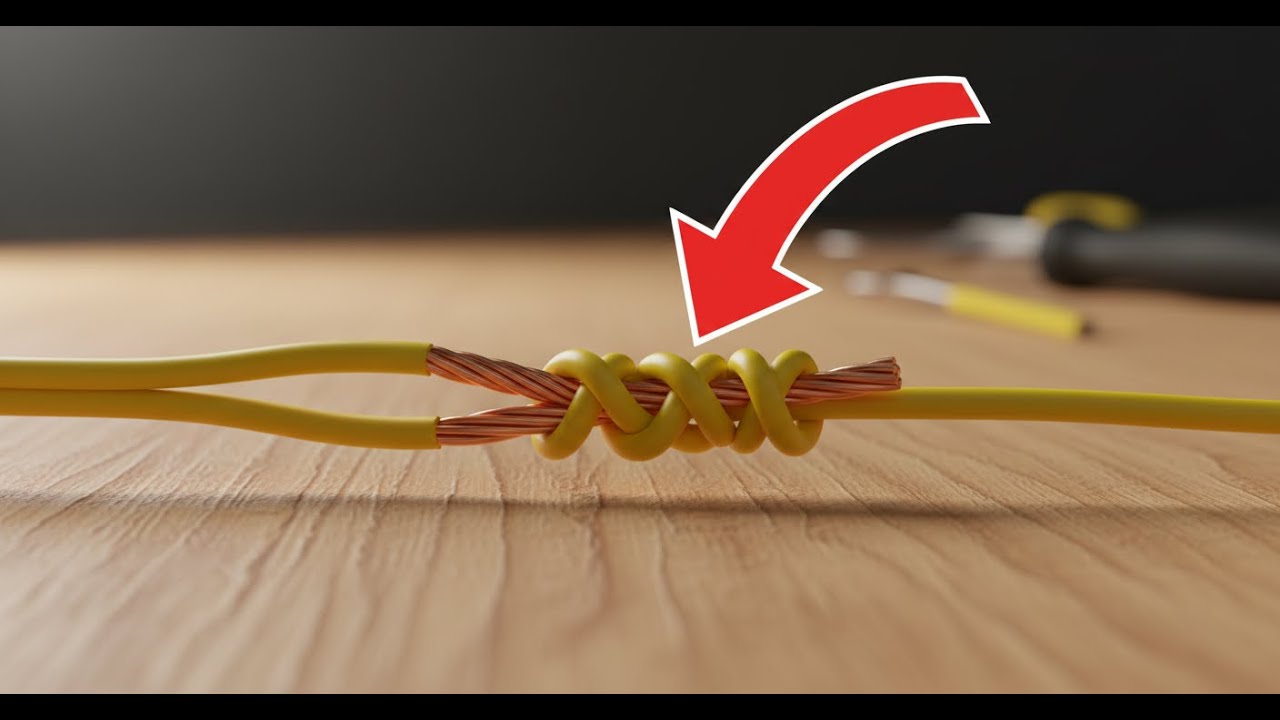
10 Simple Electrical Wire Connection Techniques to Try Today
10 Essential Electrical Wire Connection Techniques for Your DIY Projects
- Introduction
- Understanding Basic Techniques
- Popular Connection Methods
- Safety Tips to Remember
- Common Mistakes to Avoid
- FAQ
- Conclusion
Introduction
Have you ever found yourself staring at a tangle of electrical wires, unsure of how to connect them safely? This common dilemma can be daunting, especially when tackling home projects where proper connections are crucial. Understanding how to connect wires can help you complete projects, from updating fixtures to installing new outlets. Keep reading to explore essential techniques that can build your confidence and empower your next DIY endeavor.
Understanding Basic Techniques
Before diving into specific methods, it’s important to familiarize yourself with some foundational techniques that will serve you well in any electrical wiring task.
1. Stripping Wires
Proper wire stripping is one of the most critical steps. Here’s how to do it right:
- Select the right wire stripper for your needs.
- Align the wire in the appropriate slot based on its gauge.
- Gently pull the handles to remove the insulation without damaging the wire strands.
2. Twisting Wires
Twisting wires together is an effective connection method often used in household wiring.
- Align the stripped ends of the wires to ensure a secure bond.
- Twist them together using pliers for a tight fit.
3. Using Connectors
Electrical connectors allow for a safe and secure junction. Common types include wire nuts and terminal blocks.
- Choose the right connector based on the size and type of wires.
- Insert the stripped ends of the wires into the connector.
- Twist the connector to secure them in place.
Popular Connection Methods
Different wiring projects may require various connection methods. Here are some popular techniques to consider:
1. Butt Connectors
These connectors are great for joining two wires end-to-end.
- Strip both wire ends.
- Insert each wire end into the butt connector.
- Crimp the connector using pliers to secure.
2. Soldering
Soldering provides a solid electrical connection, particularly suitable for more permanent installations.
- Heat the soldering iron.
- Twist the wires you wish to connect.
- Apply the solder to the joint to secure it.
3. Terminal Blocks
Terminal blocks offer a tool for connecting multiple wires. They are favored in complex installations.
- Strip the wires you want to connect.
- Insert them into the terminal block.
- Screw down the terminal to secure the wires.
Safety Tips to Remember
Safety should always be your top priority when working with electrical wires. Here are some important tips.
- Always turn off power at the source before beginning any electrical work.
- Use insulated tools to protect yourself while working.
- Double-check all connections to avoid shorts or failures.
Common Mistakes to Avoid
Understanding potential pitfalls can help you achieve better results. Here are some mistakes to avoid:
- Over-stripping wires can lead to exposed conductors, increasing fire risk.
- Twisting wires too loosely can result in faulty connections.
- Neglecting proper insulation can lead to shorts or electrocution.
FAQ
What tools do I need for wiring connections? You’ll need wire strippers, pliers, electrical tape, and connectors specific to your project.
How do I know which connection method to use? The choice depends on the type of project, wire size, and whether you want a permanent or temporary connection.
Is it safe to work on electrical connections myself? Yes, as long as you follow proper safety protocols and understand the basics of electrical work.
Conclusion
Mastering these electrical wire connection techniques will not only boost your confidence but also enhance your DIY skills. Have you tried any of these methods in your projects? Share your experiences in the comments below!