Boost Your Plants: 1 Cup to Grow Strawberries All Year Round!
Grow Strawberries All Year Round with Just One Cup
- Introduction
- Benefits of Year-Round Strawberries
- Getting Started with One Cup
- Common Mistakes to Avoid
- FAQ
Introduction
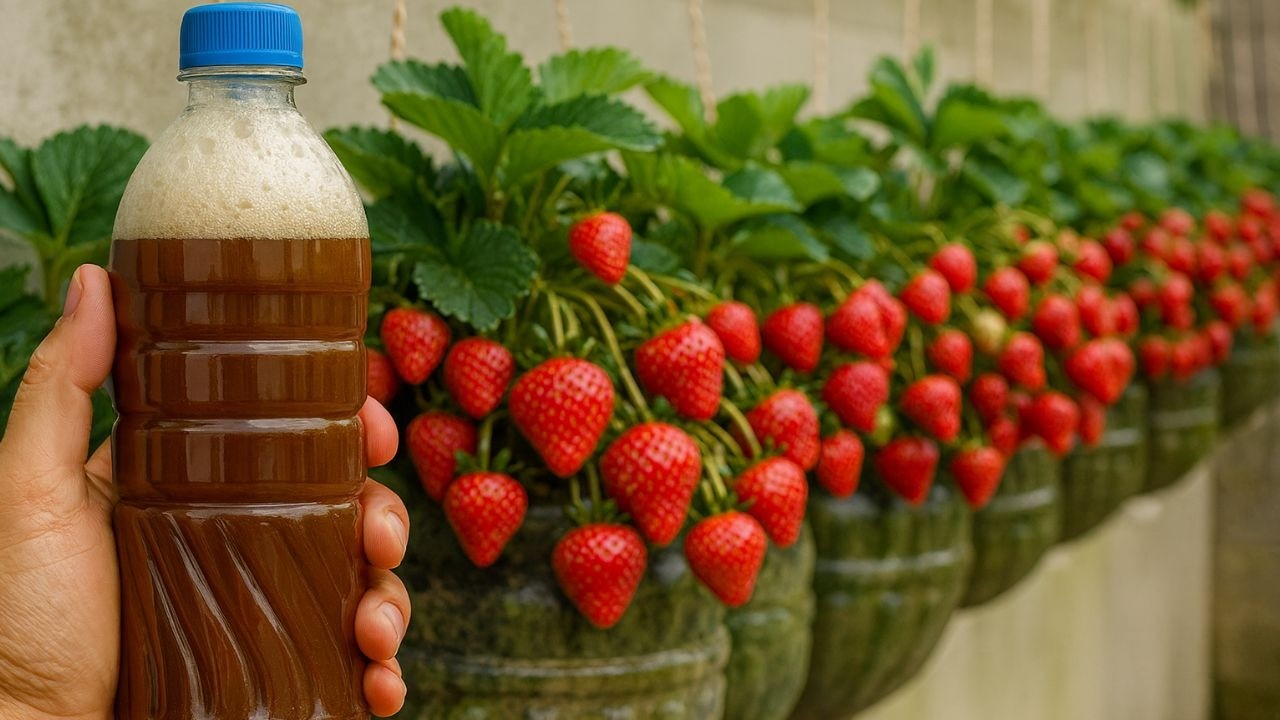
Have you ever dreamt of biting into a fresh, juicy strawberry while the snow falls outside your window? With a simple and efficient method, you can have strawberries on your table throughout the year. Utilizing just one cup, you can create a flourishing environment for these delicious berries, ensuring a continuous supply. Discover the easy steps and essential tips to make this gardening dream a reality, and soon you’ll be enjoying fresh strawberries regardless of the season.
Benefits of Year-Round Strawberries
Growing strawberries year-round comes with numerous advantages that extend beyond just having fresh fruit at your disposal. Here are some compelling reasons to consider:
- Fresh flavor: Homegrown strawberries have a taste that far surpasses store-bought varieties.
- Health benefits: Strawberries are rich in vitamins and antioxidants, providing numerous health benefits.
- Cost-effective: Cultivating your own strawberries can lead to savings and eliminates the need for shopping trips in off-seasons.
Enhancing Your Diet
Incorporating strawberries into your meals is easy. From smoothies to salads, their versatility can enhance both flavor and nutrition. You’ll find that having a steady supply of fresh strawberries encourages a healthier eating lifestyle.
Environmental Impact
By growing strawberries at home, you reduce the carbon footprint associated with transporting produce from farms to stores. Enjoy the benefits of sustainability while savoring your homegrown fruit.
Getting Started with One Cup
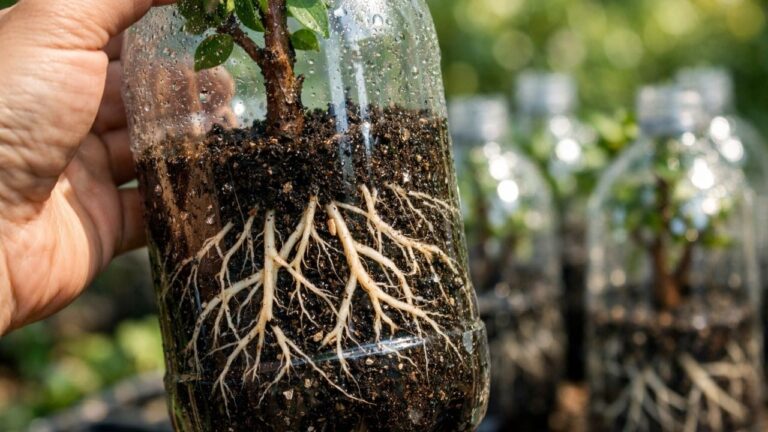
Growing strawberries in a cup is a straightforward process. You’ll need a few materials and follow some essential steps to ensure your plants thrive.
Required Materials
- 1 cup (preferably biodegradable)
- Potting soil
- Strawberry seedlings or seeds
- Watering can or spray bottle
Step-by-Step Process
- Choose your cup: Opt for a cup that allows for drainage. If it doesn’t have holes, consider using a biodegradable option.
- Fill the cup with potting soil, leaving an inch of space at the top.
- Plant your strawberry seedlings or seeds about an inch apart in the soil.
- Water gently, ensuring the soil is moist but not soggy.
- Place the cup in a sunny location, ensuring it receives at least six hours of sunlight daily.
Care Tips
Regular watering is crucial. Ensure the soil remains consistently moist but avoid overwatering, which can lead to root rot. Consider using organic fertilizers to encourage strong growth.
Common Mistakes to Avoid
Even with the best intentions, some common errors can hinder your strawberry-growing experience. Stay clear of these pitfalls:
- Overwatering: This is one of the most frequent mistakes. Always check the soil moisture before watering.
- Insufficient sunlight: Strawberries require ample sunlight. Make sure your growing area is well-lit.
- Neglecting pests: Watch for aphids and other pests that can harm your plants. Regular inspection is key.
FAQ
How long does it take for strawberries to grow?
Strawberries typically begin producing fruit about 4 to 6 weeks after planting, depending on the variety and growing conditions.
Can I use regular garden soil instead of potting soil?
While you can use garden soil, potting soil is recommended for container growing as it offers better drainage and nutrients for your strawberries.
Will my strawberries survive in winter?
With proper care, including protection against freezing temperatures, your strawberries can survive and even thrive during the winter months.
Conclusion
Growing strawberries year-round in a cup is not only rewarding but also a sustainable way to enjoy fresh fruit. By following the simple steps and avoiding common mistakes, you’ll be set up for success. What are you most excited to do with your homegrown strawberries? Share your thoughts in the comments!