30 Must-Know Tips for Storing Rice to Solve Household Struggles!
30 Essential Tips for Storing Rice Effectively
- Introduction
- Best Storage Methods for Rice
- Common Mistakes to Avoid When Storing Rice
- Frequently Asked Questions
- Conclusion
Introduction
Have you ever opened a bag of rice only to find it clumpy or smelling off? It’s a common issue many face, especially when trying to keep their pantry organized and food fresh. Storing rice correctly can significantly impact its longevity and taste. Yet, with so many storage options available, it can be overwhelming to determine the best method. To help you navigate this, we’ve compiled a comprehensive list of effective tips that ensure your rice remains in tip-top shape.
Best Storage Methods for Rice
Choosing the right storage method can make all the difference in preserving the quality of your rice. Here are some practical recommendations to keep your rice fresh:
1. Choose the Right Container
Utilizing airtight containers is key. Here are some options:
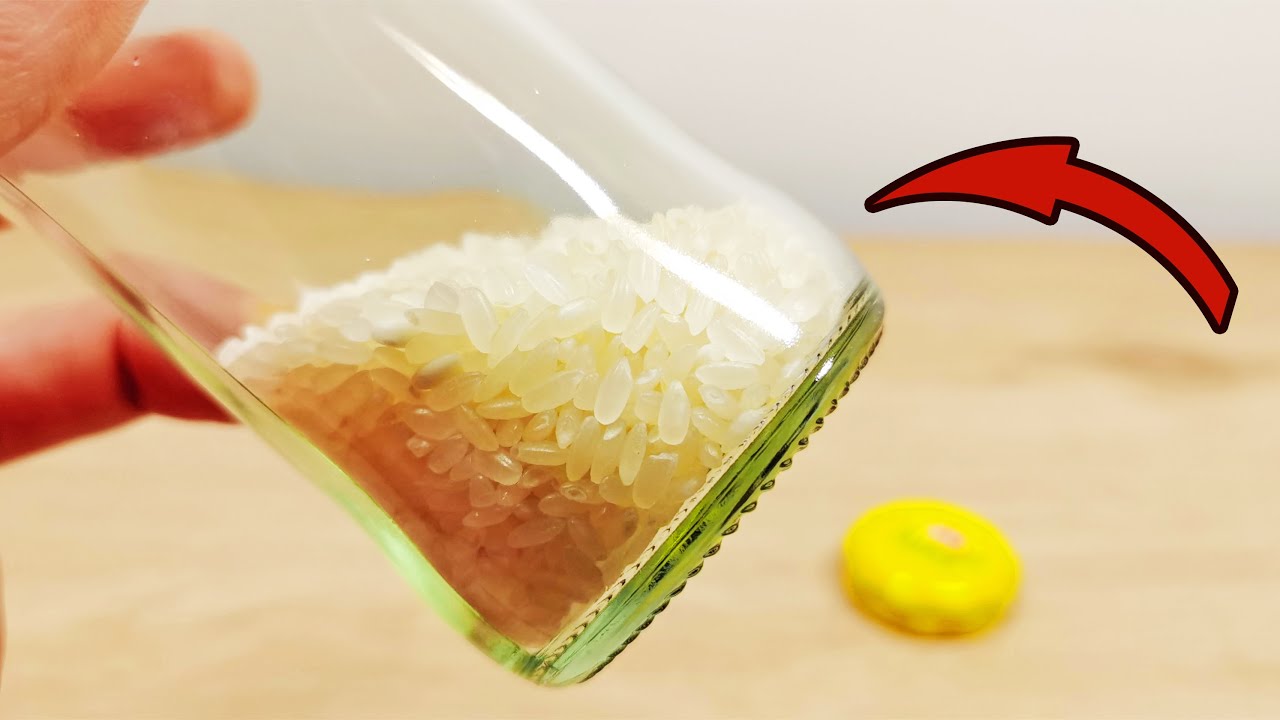
- Glass jars: Durable and non-reactive, ideal for longer-term storage.
- Plastic bins: Lightweight and often stackable, great for keeping airtight.
- Mylar bags: Perfect for large quantities and long-term storage, especially when vacuum-sealed.
2. Ideal Storage Location
Storing rice in the right place helps maintain its quality:
- Cool, dry area: Avoid moisture which can cause spoilage.
- Dark spaces: Exposure to light can degrade the rice quality over time.
- Avoid kitchens: Unless temperature-controlled, the heat can reduce the shelf life of your rice.
3. Use Oxygen Absorbers
Oxygen absorbers can prolong the shelf life of rice. Here’s what to know:
- These small packets help prevent oxidation.
- Ensure they are food-safe before using.
Common Mistakes to Avoid When Storing Rice
Even with the best intentions, it’s easy to make errors in rice storage. Here are common pitfalls to steer clear of:
1. Not Sealing Containers Properly
Leaving your containers improperly sealed invites pests and moisture.
2. Storing Cooked Rice Incorrectly
If storing leftovers, always let cooked rice cool before placing it in the fridge. Use airtight containers to maintain freshness.
3. Ignoring Expiration Dates
Check the packaging for storage recommendations, especially with specialty rice types like jasmine or basmati.
4. Mixing Different Types of Rice
Combining rice varieties can affect the cooking times and flavors, so it’s best to keep them separate.
5. Overlooking Pest Prevention
Infestations can occur even in a properly sealed environment. Regularly inspect for signs of pests.
Frequently Asked Questions
How long can I store uncooked rice?
Uncooked white rice can be stored for up to 30 years if sealed and stored correctly. Brown rice, due to its oil content, is best used within 6 months to a year.
Can I freeze rice to extend its shelf life?
Yes, freezing rice is an excellent way to prolong its shelf life. Just ensure it’s in an airtight container to prevent freezer burn.
What are the signs that rice has gone bad?
Signs include an off-smell, discoloration, or the presence of pests in the packaging. If in doubt, it’s best to discard it.
Conclusion
Storing rice effectively involves selecting the right containers, keeping it in optimal locations, and avoiding common mistakes. By following these essential tips, you’ll ensure your rice remains fresh and flavorful for meals ahead. Have you discovered any unique methods for storing rice? Share your tips in the comments below!