5 Secrets to Growing Potatoes Early for a Bountiful Harvest at Home
5 Secrets to Growing Potatoes Early for a Bountiful Harvest at Home
- Introduction
- Soil Selection for Potatoes
- Starting Seed Potatoes Early
- Effective Planting Techniques
- Maintenance Tips for Healthy Growth
- Common Mistakes to Avoid
- FAQ
- Conclusion
Introduction
Have you ever had to wait eagerly for potato season, wondering how to enjoy your home-grown potatoes sooner? The anticipation of freshly harvested potatoes can be overwhelming, especially when you want to savor their rich flavor in your meals. However, with the right techniques, you can start growing potatoes earlier and boost your harvest significantly. Dive into the secrets of early potato cultivation, and discover how to set yourself up for a plentiful yield this season.
Soil Selection for Potatoes
Selecting the right soil for your potatoes is crucial for a successful start. Potatoes thrive in loose, well-draining soil rich in organic matter.
1. Assessing Soil Quality
- Test your soil for pH levels; potatoes prefer a slightly acidic soil between 5.5 and 7.0.
- Incorporate organic compost to improve nutrient content and drainage.
- Avoid compacted soils; loosen the ground with a shovel or fork.
2. Choosing Soil Amendments
- Add a balanced fertilizer or bone meal to encourage healthy growth.
- Consider mixing in peat moss to enhance water retention without creating soggy conditions.
- Utilize well-rotted manure for added nutrients, ensuring it’s fully composted.
Starting Seed Potatoes Early
Starting your seed potatoes early can give you a significant head start on the growing season. Understanding the right approach will lead to a successful crop.
1. Chitting Seed Potatoes
Chitting is the process of sprouting seed potatoes before planting. It prepares the potatoes to grow faster.
- Choose healthy seed potatoes with at least one or two eyes.
- Place them in a light, cool location to encourage sprouting for about 2-4 weeks.
- Monitor for any signs of rot, and remove any spoiled potatoes immediately to prevent spreading.
2. Timing for Chitting
Begin chitting your seed potatoes approximately 4 to 6 weeks before the last expected frost date in your region. This timing allows them to sprout adequately while preparing for planting.
Effective Planting Techniques
Applying the right planting techniques ensures your potatoes have the best environment to thrive.
1. Planting Depth and Spacing
- Dig shallow trenches about 6-8 inches deep.
- Space the seed potatoes 12 inches apart to allow room for growth.
- Cover the seed potatoes with at least 4 inches of soil to retain moisture and warmth.
2. Mulching for Temperature Control
Mulching helps to maintain soil temperature and moisture levels for your growing potatoes.
- Use straw or shredded leaves to cover the soil surface.
- A layer of mulch can prevent weeds and conserve moisture.
- Adjust the mulch depth depending on weather; thicker layers in colder months can protect your plants.
Maintenance Tips for Healthy Growth
1. Watering Strategies
- Water deeply but less frequently to encourage strong root development.
- Check the soil moisture; it should be damp but not waterlogged.
- Adjust watering frequency based on weather; increase during hot spells.
2. Fertilization Schedule
Feeding your potato plants can significantly benefit their yield.
- Apply a low-nitrogen fertilizer about 4 weeks after planting, ensuring you’re not promoting excess leafy growth at the expense of tuber development.
- Consider side-dressing with compost every few weeks to provide ongoing nutrients.
- Avoid fertilizing just before harvest to ensure optimal flavor.
Common Mistakes to Avoid
To ensure a bountiful harvest, it’s crucial to recognize and avoid certain common pitfalls in potato cultivation.
1. Planting Too Early
While early planting is ideal, planting too soon can expose young plants to frost damage.
2. Overwatering
Watering too frequently can lead to rot and diminished yields. Ensure soil has proper drainage.
3. Ignoring Pests and Diseases
Failing to check for signs of pests like aphids or diseases such as blight can jeopardize your crop.
4. Not Earthing Up
Neglecting to mound soil around the base of the plants can result in sunburned potatoes or decreased yields.
5. Skipping Harvesting Time
Harvesting too late can lead to pests or diseases affecting your crop, so keep an eye on the timing during the growing season.
FAQ
Q: When is the best time to plant potatoes?
A: The best time to plant potatoes is when the soil temperature reaches about 45°F (7°C), often around 2-4 weeks before the last frost.
Q: How can I tell if my potatoes are ready to harvest?
A: Potatoes are ready for harvest when the plants begin to flower and the leaves start yellowing; this usually indicates maturity.
Q: Can I grow potatoes in containers?
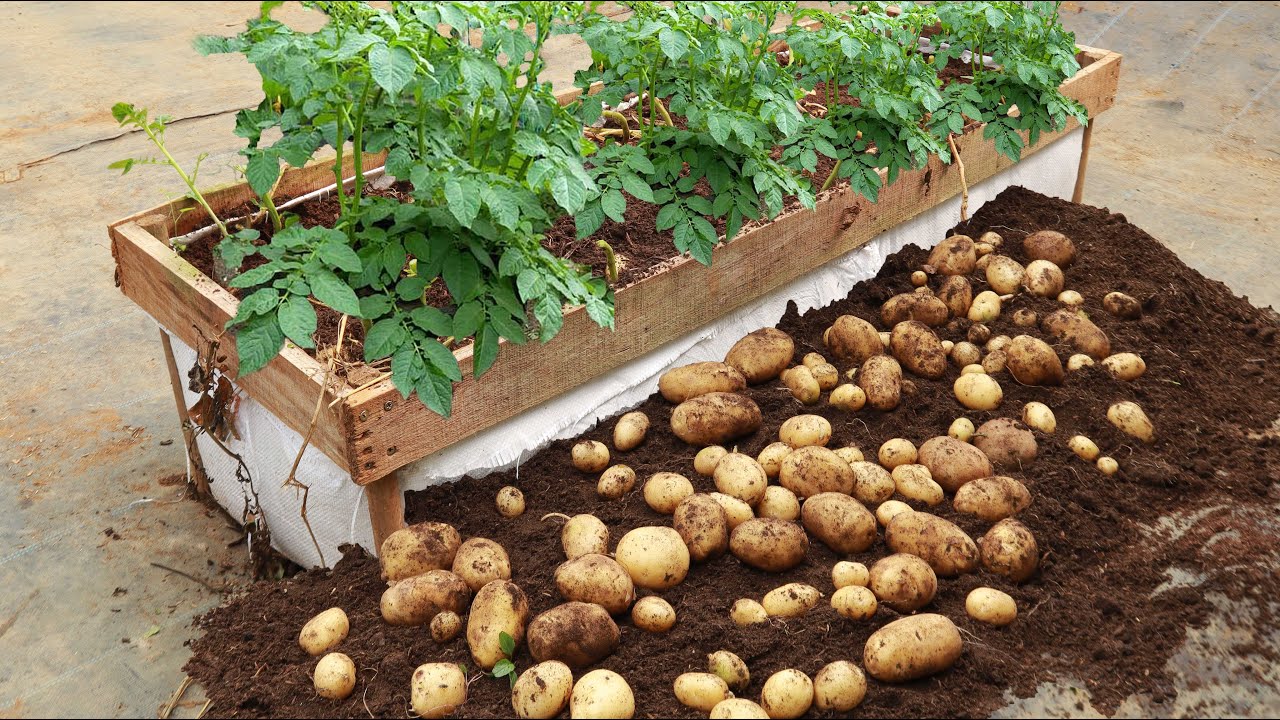
A: Yes, potatoes can thrive in containers; just ensure they are deep enough (at least 12 inches) and have drainage holes.
Conclusion
Growing potatoes early involves careful planning and attention to detail. By choosing the right techniques and avoiding common mistakes, you can enjoy a thriving potato harvest at home. What tips have you found most helpful in growing your vegetables?