Transform Your Garden: 5 Surprising Benefits of the Plastic Bottle Cabbage Method!
Transform Your Garden: 5 Benefits of the Plastic Bottle Cabbage Method
- Introduction
- Benefit 1: Resourcefulness
- Benefit 2: Improved Growth Conditions
- Benefit 3: Pest Control
- Common Mistakes to Avoid
- FAQ
- Conclusion
Introduction
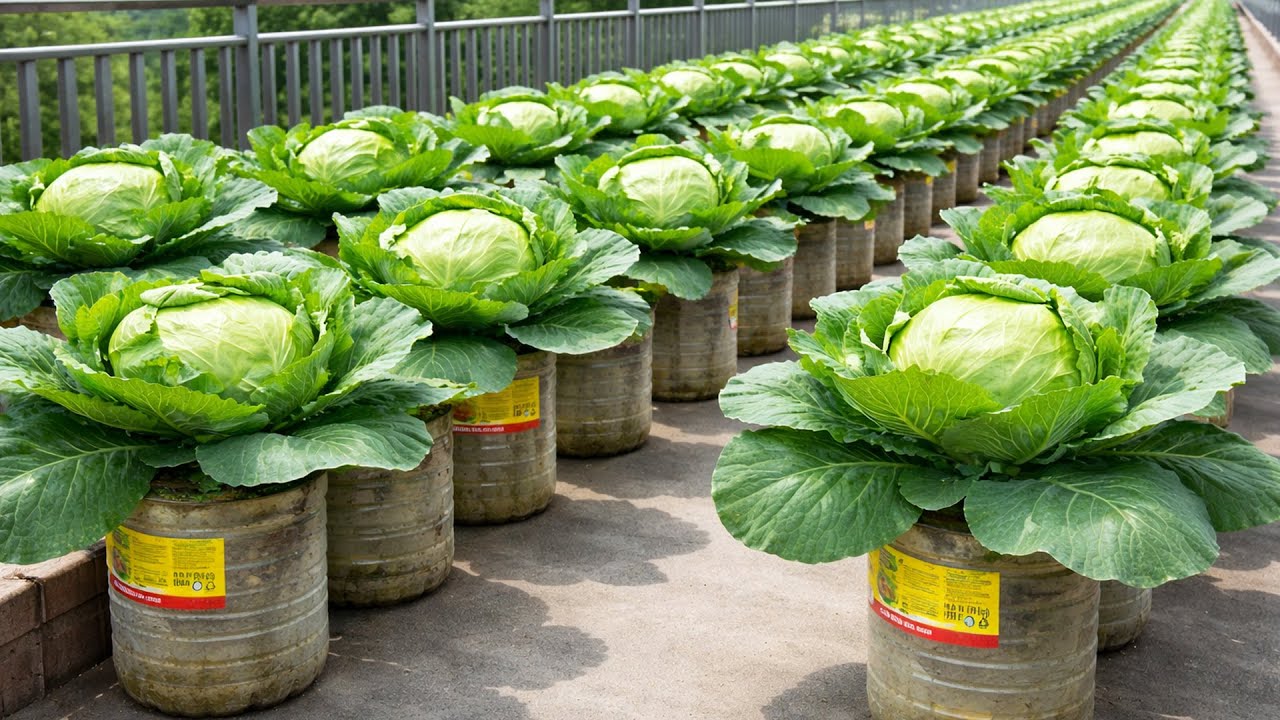
Picture this: you’re excited to start your vegetable garden, but your garden space is limited. You’ve heard about various techniques, but many seem complicated or require expensive materials. One approach that often goes unnoticed is the plastic bottle cabbage method. This unique technique offers several unexpected advantages that could make your gardening journey more enjoyable. Curious about how it can transform your garden? Read on to discover the benefits!
Benefit 1: Resourcefulness
The use of plastic bottles in gardening promotes sustainability and resourcefulness in your gardening practices. Instead of discarding plastic bottles, repurposing them creates a functional solution for plant growth.
1.1 Upcycling Plastic Bottles
By upcycling plastic bottles, you contribute to reducing waste in landfills. This simple act allows you to craft planters and even moisture-retaining systems, which are essential for healthy growth.
1.2 Cost-Effective Gardening
Instead of purchasing traditional planters or pots, utilizing plastic bottles can save you money. This approach is especially beneficial if you’re just starting your gardening journey.
Benefit 2: Improved Growth Conditions
The plastic bottle cabbage method creates a micro-environment conducive to plant growth. This method optimizes conditions for your cabbage, resulting in healthier, more productive plants.
2.1 Moisture Retention
When you use plastic bottles, you can create a self-watering system. By cutting the bottom of the bottle and burying it upside down, you enable consistent moisture supply to your plants.
2.2 Temperature Regulation
The plastic acts as insulation, helping to maintain a stable temperature around the roots. This reduction in temperature fluctuations can enhance growth rates, especially during cooler months.
Benefit 3: Pest Control
Integrating the plastic bottle technique can also provide natural pest control benefits for your cabbage. This can lead to healthier plants without harmful pesticides.
3.1 Physical Barrier
The bottles can act as physical barriers, preventing pests like cabbage worms and aphids from reaching your plants. This natural protection reduces the need for chemicals.
3.2 Easy Monitoring
Using transparent bottles allows you to easily monitor soil moisture and plant health. This observational approach gives you a heads-up on potential pest issues before they escalate.
Common Mistakes to Avoid
While the plastic bottle cabbage method is beneficial, it’s important to avoid some common pitfalls to ensure success in your gardening efforts.
- 1. Not Cleaning Bottles: Always clean the bottles thoroughly before use to remove residues that could harm your plants.
- 2. Overwatering: Don’t allow the bottles to become clogged or over-saturated. Monitor soil moisture to maintain an optimal level.
- 3. Incorrect Placement: Position your bottles in a location where they receive adequate sunlight and protection from harsh conditions.
FAQ
Q: Can I use any type of plastic bottle for this method?
A: Most plastic bottles can be used, but ensure they are clean and free from harmful chemicals. Water bottles and soda bottles are great options.
Q: How do I know if my plants are getting enough water?
A: Check the soil moisture level regularly. The soil should be damp but not soggy for optimal growth.
Q: Is this method suitable for other vegetables besides cabbage?
A: Yes, the plastic bottle technique can be adapted for various plants such as tomatoes and peppers, making it versatile for your kitchen garden.
Conclusion
The plastic bottle cabbage method provides numerous benefits, from resourcefulness to better growth conditions and natural pest control. By incorporating this technique, you can enhance your gardening experience and enjoy flourishing plants. What other creative gardening methods have you tried?