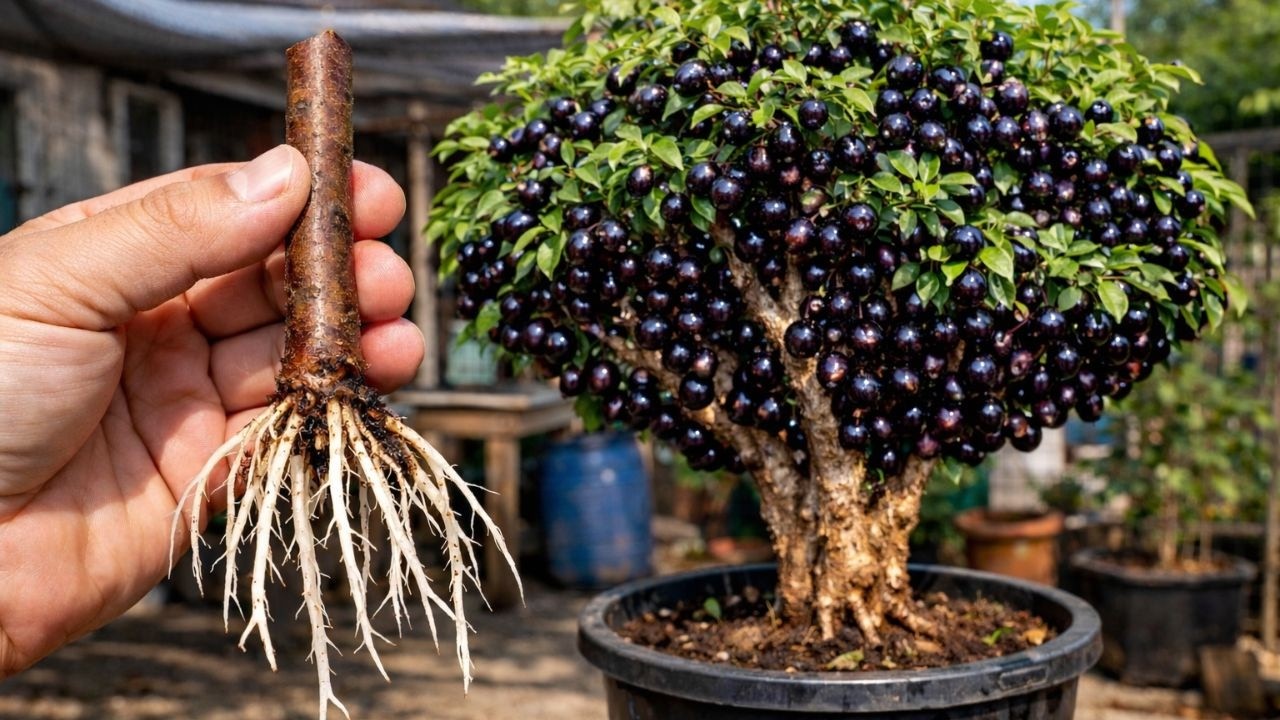
Transform 5 Branches into Productive Plants You Didn’t Know About!
Transform 5 Branches into Productive Plants You Didn’t Know About!
- Introduction
- Choosing the Right Branches
- Preparing Your Branches
- Effective Planting Techniques
- Common Mistakes to Avoid
- FAQ
- Conclusion
Introduction
Have you ever found yourself looking at the branches in your yard and wondering if they could serve a better purpose? Maybe you’ve pruned your trees or bushes, but rather than tossing those branches away, you could be turning them into productive plants. This creative approach not only helps reduce waste but also brings new life to your garden. Delving into the art of transforming branches can be a rewarding experience that rejuvenates your garden landscape. Let’s explore how you can make the most of those discarded branches.
Choosing the Right Branches
The first step in converting your branches into productive plants is knowing which ones to select. Here are some common options:
- Fruit Trees: Branches from apple, peach, or cherry trees can yield delightful results.
- Willow: Known for its adaptability, willow branches root easily and can thrive in various conditions.
- Cuttings from Herbs: Consider branches from rosemary, mint, or basil for fragrant additions to your garden.
- Roses: Pruning rose bushes can give you cuttings capable of budding into new plants.
- Deciduous Trees: Dogwood or maple branches can be propagated with some patience.
Signs of Healthy Branches
- Look for young, green branches; they root more successfully.
- Avoid diseased or damaged branches, as they may not survive the transition.
- Freshly cut branches are preferable, as they tend to root more effectively.
Preparing Your Branches
Once you’ve chosen your branches, the next step is preparation to ensure successful growth. Properly preparing your branches is essential for optimal rooting.
Cutting the Branches
- Make a clean cut: Use sharp pruners to cut your chosen branches at a slant, which helps with water absorption.
- Length Matters: Aim for branches that are about 6 to 8 inches long.
- Remove Lower Leaves: Trim any leaves on the lower part of the branch to prevent rot when planted.
Applying Rooting Hormone
Using rooting hormone can significantly enhance your chances of success:
- Dip the cut end of your branch into the hormone powder.
- This encourages root development and speeds up the process.
- Ensure you follow the manufacturer’s instructions for best results.
Effective Planting Techniques
Planting your prepared branches correctly is crucial for them to grow into productive plants. Here are effective techniques to consider:
Choosing the Right Soil
Healthy soil is key to cultivating your new plants:
- Use a lightweight, well-draining potting mix.
- For outdoor planting, mix in some compost to enrich the soil.
- Avoid heavy clay soils that retain too much moisture.
Creating a Suitable Environment
Branches need the right conditions to thrive:
- Keep your planted branches in a warm and humid environment.
- Consider covering them with a plastic bag or using a mini greenhouse for moisture retention.
- Ensure they get indirect sunlight to encourage healthy growth without burning.
Common Mistakes to Avoid
- Ignoring the Season: Planting branches during the wrong season can hinder their growth.
- Overwatering: Too much moisture can lead to rot and discourage root establishment.
- Neglecting Space: Give each branch enough room to grow by not crowding them too closely.
- Skipping Hormones: Failing to use rooting hormone may lead to suboptimal results.
- Not Being Patient: Many branches take time to root; rushing the process can lead to disappointment.
FAQ
What types of branches root best?
Branches from fruit trees, willows, and certain herb cuttings tend to root more successfully.
How long does it take for branches to root?
Typically, it can take anywhere from a few weeks to several months for branches to establish roots, depending on the type.
Can I root branches directly in soil?
Yes, rooted branches can thrive directly in soil or in a pot until they are ready to be transplanted.
Conclusion
Transforming branches into productive plants is an engaging way to enhance your garden while reducing waste. With the right branches and proper techniques, you can create new life in your outdoor space. What branches are you thinking of using in your garden project? Share your thoughts in the comments!